Introduction

Vision correction surgeries like LASIK, SMILE, and PRK have transformed the lives of millions, offering a future free from glasses and contacts. These procedures have brought life-changing improvements in vision, allowing people to enjoy everyday activities with greater ease and confidence. But one common question still lingers: Can I fly after vision correction surgery?

As you embark on the journey to clearer vision, it’s essential to take your recovery seriously, especially when considering air travel. The environment in an airplane—including cabin pressure and dry air—can pose challenges for the healing process of your eyes. Understanding the timeline for recovery and taking the necessary precautions before you travel can help ensure your eyes remain healthy and your recovery remains on track.

In this guide, we’ll explore expert advice on flying after LASIK, SMILE, and PRK surgery, so you can make informed decisions about your post-operative care and travel plans.

What is Vision Correction Surgery?

Vision correction surgeries are designed to correct refractive errors, like nearsightedness, farsightedness, and astigmatism, by reshaping the cornea to improve how light focuses on the retina. The most commonly performed procedures include:

  • LASIK (Laser-Assisted In Situ Keratomileusis): LASIK creates a thin flap in the cornea to reshape the underlying tissue, allowing for quick recovery and minimal discomfort for most patients.
  • SMILE (Small Incision Lenticule Extraction): A minimally invasive procedure, SMILE uses a laser to remove a small disc of tissue through a tiny incision. This approach preserves more of the cornea's structure, leading to faster recovery and fewer dry eye symptoms.
  • PRK (Photorefractive Keratectomy): PRK removes the outer layer of the cornea to reshape the tissue underneath. While recovery takes a bit longer than LASIK, PRK is effective for patients with thinner corneas.

These surgeries offer significant benefits, but it's essential to give the cornea time to heal. Air travel soon after surgery could interfere with this healing process, making it crucial to follow guidelines about when it's safe to fly.

Why Flying Soon After Eye Surgery Can Be Risky

Several factors in an airplane can disrupt the healing process after vision correction surgery:

  • Cabin Pressure: Airplanes are pressurized to simulate conditions around 6,000–8,000 feet above sea level, which is lower than ground level. These pressure changes can slightly affect intraocular pressure, potentially straining the healing cornea, particularly in LASIK patients.
  • Dry Cabin Air: Airplane cabins have low humidity (around 10-20%), which can worsen dryness in the eyes—a common temporary side effect after surgery. This can lead to discomfort, blurred vision, and slower healing.
  • Risk of Complications: For LASIK patients, sudden pressure changes, dry air, and eye rubbing due to irritation can dislodge or wrinkle the corneal flap. SMILE and PRK patients may experience delayed healing or an increased risk of infection if their eyes become excessively dry or irritated.

Because of these risks, most experts recommend waiting a certain period before flying after surgery to allow your eyes to heal adequately.

Recommended Waiting Period Before Flying

The appropriate waiting period varies depending on the type of surgery you’ve had. Here’s a general timeline to consider:

  • After LASIK: Most LASIK patients can safely fly within 3-7 days after surgery, assuming there are no complications and a post-operative checkup confirms stable healing. However, for long-haul flights, it's typically best to wait 7-10 days to avoid discomfort from dry cabin air.
  • After SMILE Surgery: Because SMILE is a minimally invasive procedure, patients often recover quickly. Most are cleared for short domestic flights within 2-5 days, but clearance from your surgeon is essential. Long flights may require waiting 5-7 days.
  • After PRK: Since PRK requires more time for the cornea’s outer layer to regenerate, patients are usually advised to wait 10-14 days before flying.
  • Short vs. Long Flights: Domestic flights, especially those under 2 hours, are typically safer sooner after surgery. International flights, however, often require more time for recovery due to the longer exposure to dry air and pressure changes.

Special Considerations for SMILE and PRK Patients

Each surgery comes with its own recovery timeline, affecting when it's safe to fly:

  • SMILE Surgery: This minimally invasive procedure preserves corneal structure, leading to quicker recovery. SMILE patients are often cleared for short flights within 2-3 days, but for longer flights, it’s safer to wait 5-7 days.
  • PRK Surgery: PRK requires a longer recovery period due to the removal of the outer corneal layer. Typically, patients should wait 10-14 days before flying to prevent complications like dry eyes or delayed epithelial regrowth.

In all cases, your surgeon will provide specific advice based on your recovery.

Tips for Safe Air Travel After Vision Correction

Once cleared for air travel, taking a few simple precautions can help ensure your eyes stay comfortable and heal properly during your flight:

  • Use Artificial Tears Regularly: Cabin air is extremely dry, so use preservative-free artificial tears to keep your eyes moist and lubricated.
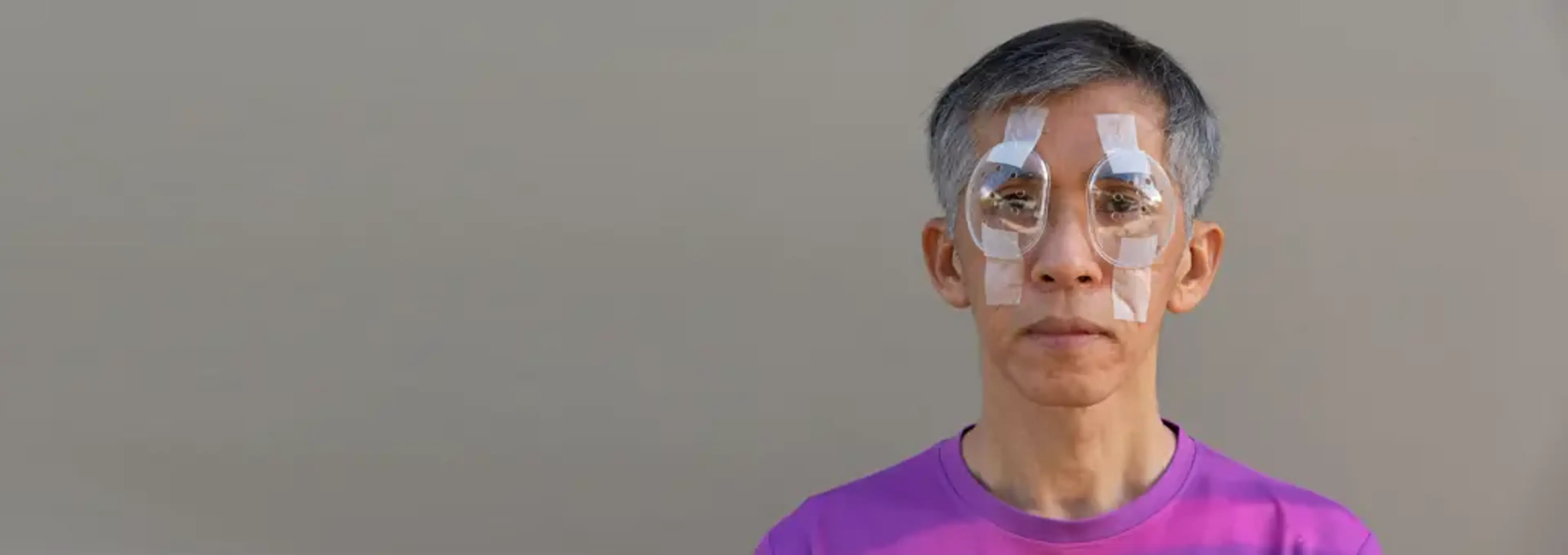
  • Wear Protective Glasses: Sunglasses or protective eyewear will shield your eyes from air vents, dust, and accidental rubbing, helping to reduce irritation.
  • Stay Hydrated: Dehydration exacerbates dry eyes, so drink plenty of water during your flight.
  • Minimize Eye Strain: Limit your screen time and follow the 20-20-20 rule: every 20 minutes, look at something 20 feet away for 20 seconds to reduce eye fatigue.
  • Avoid Sleeping with Dry Eyes: Lubricate your eyes before you sleep to prevent dryness upon waking.

These steps can make your flight more comfortable and protect your healing eyes.

Signs That You Should Delay Flying

Even if you’re ready to travel, certain symptoms may signal that you should delay your flight:

  • Persistent Redness: Redness that worsens or persists could indicate inflammation or infection.
  • Blurred or Fluctuating Vision: Worsening visual changes are a red flag that should be evaluated by your doctor.
  • Severe Dryness or Discomfort: If you experience intense dryness or pain in your eyes, it may indicate the healing process is not progressing as it should.
  • Watery Eyes or Discharge: Excessive tearing or discharge could signal an infection or irritation.

If any of these symptoms occur, postpone your flight and consult your eye doctor before traveling.

Real-Life Case Example: Safe International Travel After LASIK

Many patients successfully return to air travel after LASIK surgery, as long as they follow expert guidelines. Take the case of Mr. Lee, a 34-year-old software engineer from Seoul, who underwent LASIK surgery. He had a long-haul flight to the United States scheduled just 10 days after his procedure. Thanks to his surgeon’s detailed post-op guidance—frequent use of artificial tears, hydration, and protective eyewear—Mr. Lee had a smooth journey with no complications. His experience illustrates the importance of following professional recommendations to ensure safe and comfortable air travel.

FAQs About Flying After Vision Correction Surgery

  1. Can I fly two days after LASIK surgery?
    Although it’s best to wait 3-7 days after LASIK before flying, always consult your surgeon after your first post-op check-up for personalized advice.
  2. Does flying increase my risk of complications?
    Flying too soon after surgery can increase risks like dry eyes and discomfort. Following your surgeon’s recommended timeline minimizes these risks.
  3. How soon can I fly internationally after SMILE surgery?
    Typically, patients are cleared for international flights 5-7 days after SMILE surgery. Short domestic flights may be allowed sooner.
  4. Does flying affect healing after LASIK?
    Flying too soon can interfere with the healing process. Proper hydration, artificial tears, and wearing protective glasses will help mitigate these effects.
  5. How can I protect my eyes during a flight after surgery?
    Use artificial tears regularly, wear sunglasses, stay hydrated, and avoid excessive screen time to protect your eyes.

Why Choose SNU Eye Clinic for Your Vision Correction?

Choosing the right clinic for your vision correction procedure is critical not only for achieving optimal results but also for ensuring a safe, smooth recovery process. SNU Eye Clinic stands out as a top choice due to its blend of advanced technology, expertise, and personalized care. Here’s why patients trust SNU Eye Clinic for their vision correction needs:

1. World-Class Expertise

Led by internationally recognized ophthalmologists, such as Dr. Chung Eui Sang, SNU Eye Clinic brings over 25 years of experience in the field of vision correction. With a wealth of knowledge and cutting-edge techniques, the team provides precision care for every patient.

2. State-of-the-Art Technology

SNU Eye Clinic is equipped with the latest technology, including the VisuMax 800 and MEL90 laser systems, ensuring minimal invasiveness and quicker recovery times. These systems are designed to offer highly accurate results, tailored to each patient’s unique needs.

3. Personalized Care

SNU Eye Clinic’s approach is patient-centric. Each patient receives customized treatment plans, from pre-operative consultations to detailed post-operative care. This includes tailored advice for travel, eye care, and recovery, ensuring a smooth transition back to daily life.

4. Exceptional Success Rate

With over 50,000 successful surgeries, including thousands of international patients, SNU Eye Clinic boasts a high success rate and an exceptional track record of positive outcomes. Their reputation speaks volumes, with many patients returning for follow-up care or recommending the clinic to family and friends.

5. Holistic Post-Operative Support

SNU Eye Clinic provides continuous post-surgical support, including detailed guidance on travel, lifestyle adjustments, and long-term eye care. Their holistic approach ensures that patients are fully supported throughout their recovery, minimizing any potential risks and maximizing comfort.

6. Comprehensive Services

Beyond vision correction surgeries, SNU Eye Clinic offers a range of comprehensive services, including pre-operative assessments, patient education, and follow-up care. Their commitment to thorough, clear communication helps patients feel confident and well-informed every step of the way.

7. International Patient Care

For international patients, SNU Eye Clinic offers convenient services, including assistance with travel arrangements and consultations in multiple languages, ensuring a seamless experience for those traveling abroad for surgery.

Choosing SNU Eye Clinic means you’ll benefit from world-class surgical expertise, state-of-the-art technology, and compassionate, personalized care. Whether you're looking for LASIK, SMILE, or PRK surgery, you can trust their team to guide you toward the best outcome for your vision and recovery.

Conclusion

Flying after vision correction surgery is possible, but careful timing and proper precautions are essential to ensure your eyes heal safely. By understanding the risks posed by air travel, following your surgeon’s advice, and taking measures to protect your eyes, you can enjoy a smooth and comfortable flight. Always consult your eye doctor for personalized advice and be sure to schedule a post-operative check-up before traveling.