Home / Articles
Nutrition for Faster Eye Surgery Recovery
Home / Articles
Nutrition for Faster Eye Surgery Recovery
Recovering from eye surgery—whether LASIK, cataract surgery, or SMILE LASIK—requires more than just adhering to your doctor's instructions. While following medical advice is essential, incorporating the right diet is just as crucial for your recovery. In fact, several patients who strictly followed a diet tailored for healing found their recovery to be smoother and faster. One such case involved a LASIK patient who included more antioxidant-rich foods in her meals, which helped reduce her swelling and recovery time. This article explores how diet can play an integral role in optimizing your healing process after eye surgery, with a special focus on the nutrients that support eye tissue regeneration, reduce inflammation, and boost immune function.
After surgery, your body focuses on repairing and regenerating the affected tissues. The process, though natural, demands specific nutrients to be effective. Key nutrients help manage inflammation, support tissue repair, and fortify the immune system—three critical components for a speedy and complication-free recovery.
Nutrition isn’t just about healing the tissues directly involved in the surgery. For example, inflammation is part of the natural healing process, but if it goes unchecked, it can delay recovery and increase discomfort. Incorporating foods with anti-inflammatory properties can help manage this process and make your recovery more comfortable. Additionally, a nutrient-dense diet provides the essential vitamins and minerals that help speed up tissue repair, bolster immune defenses, and protect against infection.
A balanced, nutrient-rich diet can also ensure that your body is well-equipped to handle the stress of surgery. This not only aids in the healing process but may even help avoid complications that could negatively impact your results.
Several vitamins and minerals play an essential role in the healing process following eye surgery. Research has shown that specific nutrients can help speed up recovery by supporting tissue regeneration, reducing inflammation, and promoting overall eye health. Here are some key nutrients that are particularly beneficial:
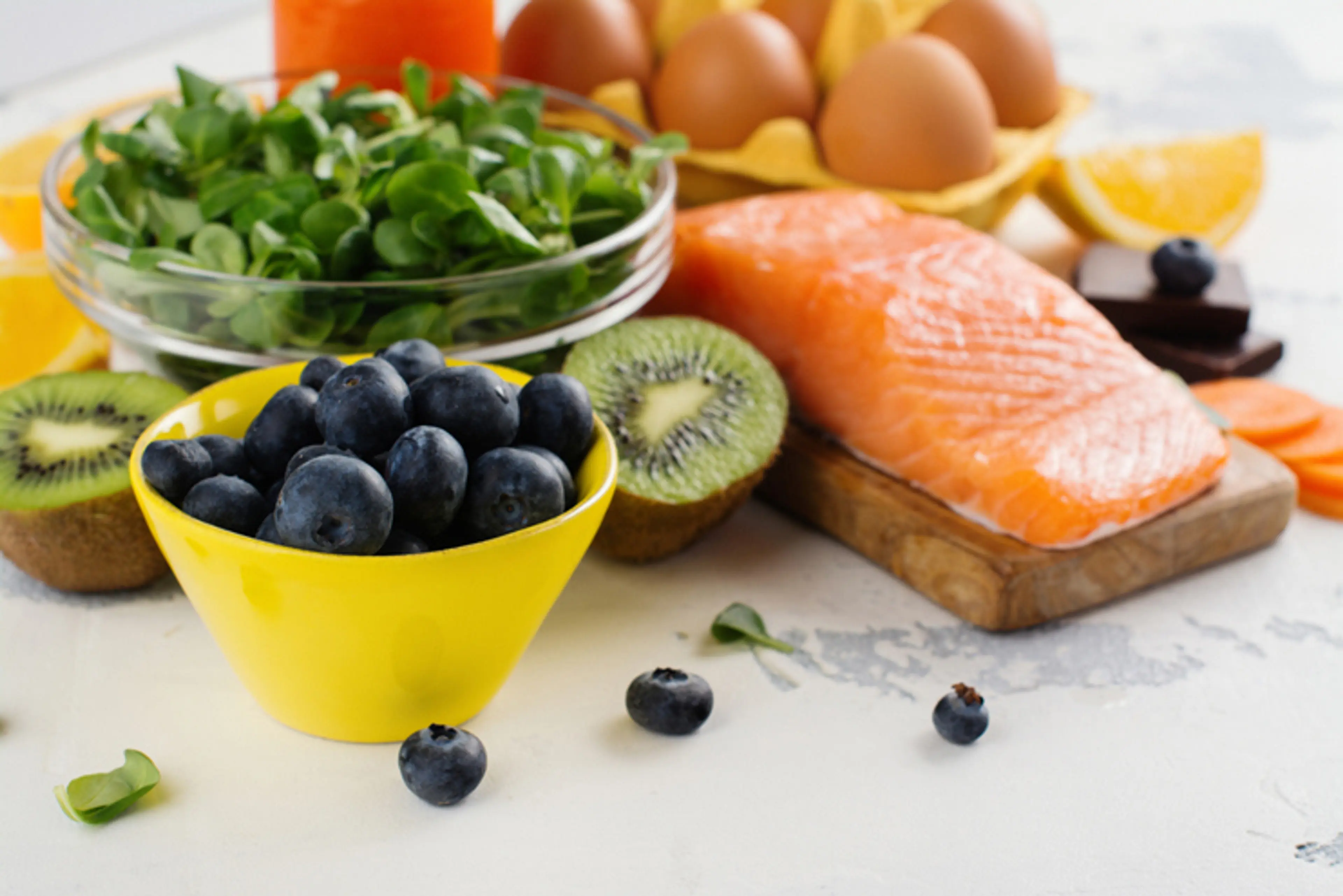
Omega-3 fatty acids are another essential part of a recovery-focused diet. Omega-3s are known for their anti-inflammatory properties, which help reduce swelling and pain after surgery. These healthy fats also support the structure of eye cells and tissues.
Protein is a building block for tissue repair and immune function. After surgery, your body needs a constant supply of high-quality protein to regenerate tissues. Protein is also essential for collagen formation, which aids in tissue healing and reducing scarring.
A variety of protein-rich foods, such as chicken, fish, eggs, and plant-based options like tofu and legumes, provide the amino acids necessary for tissue regeneration and immune defense. Including protein in every meal is crucial for supporting your body’s ability to heal after surgery.
Proper hydration is often underestimated in the recovery process, but it’s one of the most important factors for healing. Dehydration can slow down recovery and lead to complications. Water and hydrating foods help your body deliver nutrients to cells, flush out toxins, and maintain moisture balance in eye tissues.
Drinking at least 8 glasses of water a day is essential, but other hydrating options such as herbal teas, coconut water, and water-rich fruits like watermelon and cucumbers can also help. Proper hydration is particularly important for preventing dry eye syndrome, a common condition after surgeries like LASIK. Dryness can interfere with healing and cause discomfort, so staying hydrated is critical for a smooth recovery.
While it's essential to focus on the foods that promote healing, it's equally important to avoid certain foods that could slow recovery or lead to complications. For example:
Incorporating anti-inflammatory foods into your diet can help reduce swelling and promote a smoother recovery. Some foods are particularly effective in managing inflammation:
To optimize recovery, it’s essential to incorporate healing foods into your daily meals. Here are some practical meal ideas that offer a variety of healing nutrients:
These meals are designed to provide a balance of protein, healthy fats, antioxidants, and vitamins—all crucial for recovery.
Choosing the right clinic for your eye surgery is essential for achieving the best possible outcomes. At SNU Eye Clinic in Seoul, patients benefit from a combination of advanced surgical techniques and personalized post-operative care that can greatly enhance recovery. Here's why SNU Eye Clinic is an excellent choice:
SNU Eye Clinic is home to a team of highly experienced ophthalmologists, led by Dr. Chung Eui Sang. With expertise in LASIK, SMILE LASIK, and cataract surgery, they provide cutting-edge treatments tailored to meet each patient's unique needs. Their reputation for achieving exceptional surgical results speaks for itself.
Recovery after eye surgery is as important as the procedure itself. SNU Eye Clinic places a strong emphasis on holistic care, offering personalized nutritional counseling as part of the post-surgery recovery plan. Their nutrition experts provide tailored advice on what to eat to reduce inflammation, speed up recovery, and support the healing of eye tissues.
SNU Eye Clinic uses the latest technology in diagnostic tools and surgical equipment. This ensures that each patient receives the most accurate diagnoses and the most effective treatments available in the field of eye care.
One of the standout features of SNU Eye Clinic is their approach to post-operative nutrition. Recognizing the role that diet plays in recovery, they offer customized meal plans designed to support the body's healing process. This personalized care ensures that patients are not only receiving the best surgical treatment but also the proper nutritional guidance to promote a smooth and quick recovery.
At SNU Eye Clinic, patient care goes beyond just surgery. The clinic is known for its compassionate, patient-centered approach, offering support throughout the entire process—from consultation to recovery. Their team is committed to making each patient's experience as comfortable and successful as possible.
SNU Eye Clinic is renowned for treating patients from around the world. Whether you're traveling for surgery or need post-operative care from abroad, their international team provides the necessary support to ensure your recovery goes smoothly, with advice on diet, follow-up care, and more.
For a personalized, comprehensive approach to eye surgery and recovery, SNU Eye Clinic stands out as a top choice. With a focus on both cutting-edge medical procedures and individualized recovery plans, they ensure that your journey to healing is as smooth, efficient, and successful as possible.
The right nutrition can significantly impact your recovery after eye surgery. By focusing on nutrient-dense foods, staying hydrated, and avoiding foods that hinder healing, you can support your body’s healing process and reduce discomfort. For those seeking expert advice on post-surgery nutrition, clinics like SNU Eye Clinic offer personalized nutritional counseling to ensure the best recovery experience possible.