What is LASIK?
LASIK (Laser-Assisted in Situ Keratomileusis) has been a cornerstone of vision correction for over 20 years. Designed to treat common refractive errors like nearsightedness (myopia), farsightedness (hyperopia), and astigmatism, LASIK reshapes the cornea to ensure light is properly focused on the retina, improving vision. As one of the most widely performed surgeries, it has established a strong track record of success and is still a top choice for many patients seeking to reduce their dependence on glasses or contacts.
How LASIK Works?
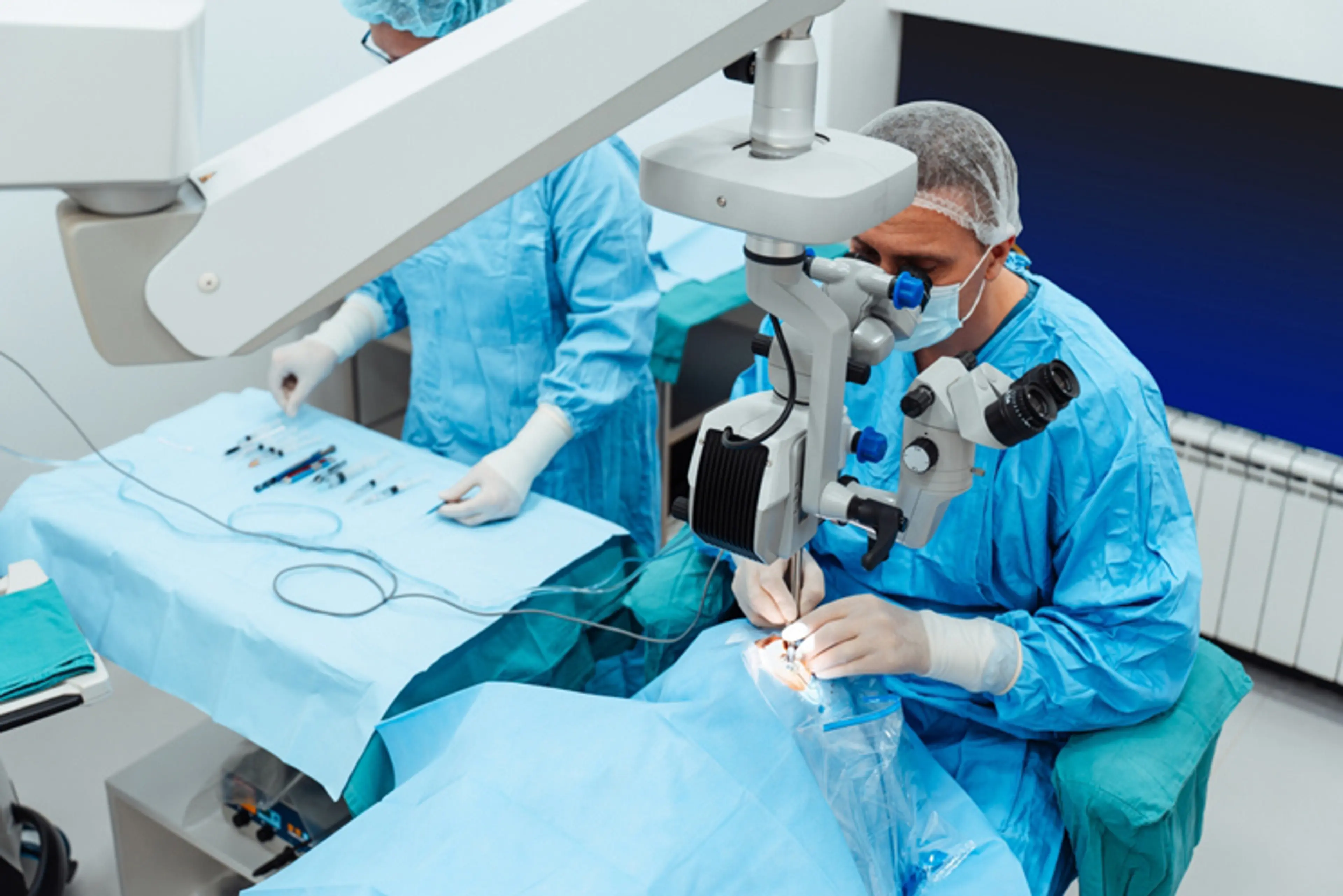
During LASIK, a surgeon creates a thin, precise flap in the cornea, which is lifted to allow a laser to reshape the corneal tissue beneath. Afterward, the flap is repositioned, and healing begins within hours. This minimally invasive approach is what makes LASIK such a popular option.
Key Benefits of LASIK
Quick Recovery: Many patients notice improved vision within hours, with most resuming daily activities within 24-48 hours.
High Success Rate: LASIK has been shown to achieve 20/25 vision or better for about 96% of patients, allowing many to enjoy clear vision without corrective lenses.
Permanent Solution: LASIK provides a long-term solution, often eliminating the need for glasses or contacts permanently.
Potential Drawbacks of LASIK
Dry Eye Risk: LASIK may temporarily decrease tear production, leading to dry eyes. This is usually a short-term side effect, but it can cause discomfort for some patients.
Not for Severe Cases: LASIK may not be suitable for individuals with high refractive errors or thin corneas. It’s important to have an evaluation to ensure suitability.
Possible Visual Disturbances: Some patients report experiencing halos or glare, particularly at night. While these issues often fade over time, they can be bothersome during the initial healing phase.
SMILE LASIK: A Less Invasive Option for Vision Correction
What is SMILE LASIK?
SMILE (Small Incision Lenticule Extraction) is a modern, minimally invasive alternative to traditional LASIK. Unlike LASIK, SMILE does not involve creating a flap in the cornea. Instead, a laser removes a small lenticule (piece of tissue) through a small incision, reshaping the cornea to correct refractive errors like myopia.
How SMILE LASIK Works?
In the SMILE procedure, the surgeon uses a laser to create a thin, lens-shaped piece of tissue inside the cornea. This tissue is then extracted through a tiny incision, which eliminates the need for a corneal flap. The procedure results in less disruption to the eye’s surface, making it a gentler option for many patients.
Advantages of SMILE LASIK
Minimally Invasive: Without the need for a flap, SMILE reduces the risk of complications like flap dislocation and preserves more of the corneal tissue.
Lower Dry Eye Risk: Because fewer nerves in the cornea are affected, SMILE tends to cause fewer dry eye symptoms than traditional LASIK.
Quick Visual Recovery: Many patients notice improvements in vision the very next day, with full recovery often taking only a week.
Potential Limitations of SMILE LASIK
Availability: SMILE is newer than LASIK and may not be as widely available at all eye centers, limiting your options.
Not for All Conditions: While highly effective for myopia, SMILE is less suitable for treating astigmatism or hyperopia.
Long-Term Data: Though initial results are promising, SMILE is a newer procedure, and its long-term effectiveness still requires more study.
ICL Surgery: A Reversible Option for Complex Cases
What is ICL Surgery?
Implantable Collamer Lens (ICL) surgery is an ideal vision correction procedure for individuals with severe refractive errors who may not qualify for LASIK or SMILE due to thin corneas or high degrees of nearsightedness. In ICL surgery, a small lens is implanted inside the eye, positioned between the cornea and the natural lens, to improve vision.
How ICL Surgery Works?
ICL surgery is a minimally invasive procedure that involves making a tiny incision to insert a lens inside the eye. The lens works with the natural lens to correct refractive errors without altering the cornea. Unlike contact lenses, the ICL is permanent but can be removed or replaced if necessary, offering flexibility for patients.
Benefits of ICL Surgery
Reversible: Unlike LASIK, ICL lenses can be removed or replaced, offering an option that is flexible and can be adjusted if needed.
Ideal for Severe Cases: ICL is particularly beneficial for individuals with high degrees of myopia, astigmatism, or thin corneas—conditions that may rule out LASIK.
No Risk of Dry Eyes: Because the cornea is left untouched, patients generally experience fewer dry eye symptoms than with LASIK or SMILE.
Potential Downsides of ICL Surgery
More Invasive: ICL requires a small incision, making it more invasive than LASIK or SMILE, and involves a longer recovery period.
Risk of Cataracts: In rare cases, ICL surgery can increase the risk of cataracts, though this is a rare complication.
Higher Cost: Due to the complexity of the procedure and the cost of the implantable lens, ICL tends to be more expensive than LASIK and SMILE.
How to Choose the Best Procedure for You?
Key Factors to Consider
When choosing between LASIK, SMILE, and ICL, consider the following:
Age and Eye Health: LASIK is generally recommended for younger patients with mild to moderate refractive errors. ICL may be more suitable for individuals over 40 or those with higher degrees of refractive errors.
Lifestyle: If you lead an active lifestyle or require a quick recovery, LASIK or SMILE may be the better options. However, if you have more complex vision needs, ICL may be a more fitting solution.
Cost and Availability: LASIK is the most affordable and widely available option. ICL tends to be the most expensive due to the cost of the lens, while SMILE falls somewhere in between.
Success Rates and Risk Assessment
All three procedures—LASIK, SMILE, and ICL—offer impressive success rates, typically around 90-96%. LASIK and SMILE offer quick recoveries with minimal downtime, while ICL provides a viable option for patients with severe refractive errors. It’s essential to have a comprehensive eye exam to determine which procedure aligns best with your specific needs.
Expert Insights and Patient Stories: Real World Experiences
Dr. Sarah Thompson, a board-certified ophthalmologist with over 15 years of experience, explains, “Each of these procedures has its advantages, but it’s crucial to understand that no two patients are the same. Whether you’re considering LASIK for its proven effectiveness or SMILE for its minimal invasiveness, a personalized consultation is key to choosing the best treatment for you.”
Patient stories further highlight the benefits of each procedure. For example, Rachel, 34, a competitive athlete, shared, “LASIK gave me my freedom back. The recovery was fast, and I was back on the track in no time!” Meanwhile, Michael, 47, who had severe nearsightedness, says, “ICL was the perfect solution for me. I no longer have to worry about glasses, and the fact that it’s reversible gives me peace of mind.”
Why Choose SNU Eye Clinic for Your Vision Correction?
At SNU Eye Clinic, we prioritize your eye health and comfort. Our team of highly experienced ophthalmologists specializes in LASIK, SMILE LASIK, and ICL surgery, providing personalized care to ensure you get the most suitable treatment for your unique needs.
Expertise and Experience: Our surgeons are leaders in the field of vision correction, with years of training and experience performing advanced procedures. We use the latest technology and techniques to ensure the highest levels of precision and safety.
Personalized Care: At SNU Eye Clinic, we understand that every patient is different. That’s why we offer tailored treatment plans, taking into account your specific eye condition, lifestyle, and preferences.
State-of-the-Art Technology: We utilize cutting-edge equipment to provide the most advanced and accurate vision correction procedures available.
Comprehensive Support: From your initial consultation to your post-surgery follow-up care, our team is dedicated to supporting you every step of the way to ensure a smooth recovery and optimal results.
Choosing the right vision correction procedure is a big decision. At SNU Eye Clinic, we’re here to help guide you through the process and deliver outstanding outcomes. Trust your eyes to the experts who care.
Conclusion: Make an Informed Decision
Choosing the right permanent vision correction procedure requires careful consideration of your unique needs, lifestyle, and health profile. Whether you opt for LASIK, SMILE, or ICL surgery, consulting with an experienced ophthalmologist is essential for making an informed choice. Each procedure offers distinct advantages, and understanding your options will help you make the decision that best suits your vision goals.