Introduction
introductionConsidering LASIK eye surgery to correct your vision is an exciting prospect. However, it’s essential to understand that scheduling a consultation is the first and most crucial step in the process. This isn’t just a formality—it's an in-depth evaluation that helps determine whether LASIK is the right choice for you.
The consultation offers a comprehensive examination of your eye health and structure, ensuring the safety, effectiveness, and overall success of the procedure. LASIK isn’t suitable for everyone, so factors like corneal thickness, eye prescription stability, and underlying conditions need to be carefully evaluated.
At SNU Eye Clinic, the consultation is conducted using advanced diagnostic tools and overseen by experienced ophthalmologists, led by
Dr. Chung Eui Sang. This personalized approach helps patients understand their options, set realistic expectations, and ensure safety before proceeding with surgery.
When to Schedule Your LASIK Consultation?
when-to-schedule-your-lasik-consultationKnowing the right time for your consultation is key to avoiding delays. It’s best to book when your vision has stabilized. For adults, this means your prescription has remained unchanged for at least a year. If your vision is still changing, LASIK could be less effective.
Your age also plays a role—LASIK is typically recommended for individuals who are 18 or older, as younger eyes may still be developing. Additionally, conditions like pregnancy or nursing may temporarily affect your candidacy.
Consider your lifestyle and upcoming events when planning. If you have a job that requires excellent vision or an event on the horizon, it’s a good idea to schedule well ahead of time to accommodate the full LASIK process—from pre-surgery evaluations to recovery.
What Happens During the LASIK Consultation?
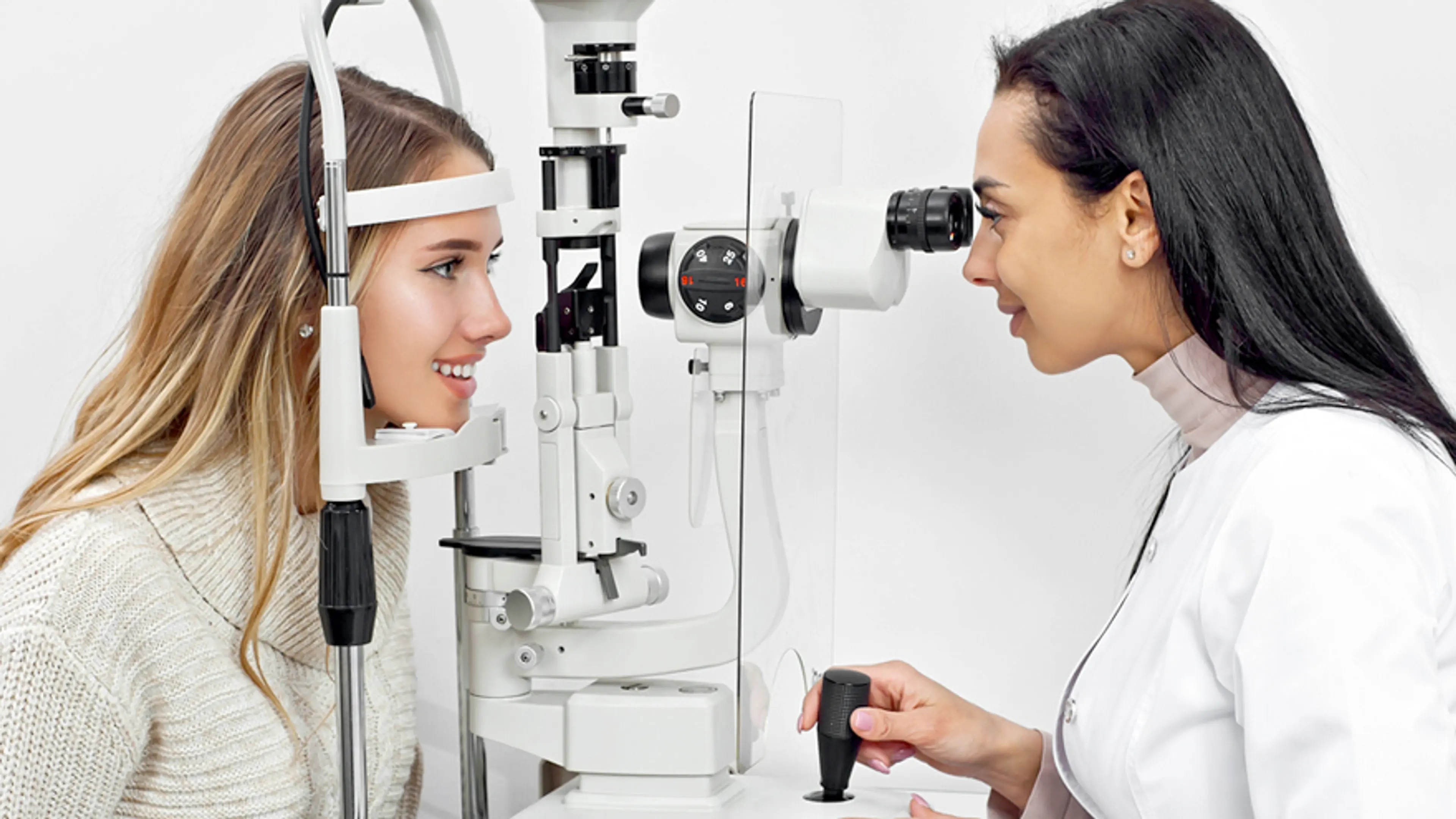
what-happens-during-the-lasik-consultationYour LASIK consultation at SNU Eye Clinic is a thorough, multi-step process tailored to assess your unique needs. Here’s what you can expect during your visit:
Medical History Review: Your eye care team will ask about your health, any medications, and your vision history to identify potential risks or contraindications for LASIK.
Comprehensive Eye Exam: This involves testing for refractive errors (like nearsightedness, farsightedness, or astigmatism) and evaluating visual acuity and eye pressure.
Corneal Mapping: Using advanced imaging tools, the clinic creates a detailed map of your cornea. This is essential because LASIK reshapes the cornea, and knowing its thickness and shape ensures safe treatment.
Pupil Size Measurement: Your pupil size, measured under varying lighting conditions, is also important. This measurement helps predict potential risks, such as glare or halos around lights at night.
Tear Film Evaluation: Dry eyes can affect LASIK results. The doctor assesses your eye’s lubrication to ensure the procedure won’t worsen dry eye symptoms.
Consultation and Q&A: After the tests, the surgeon will discuss whether you’re a suitable candidate and answer any questions you have about the procedure, risks, and recovery.
At SNU Eye Clinic, the team uses cutting-edge technology such as the VisuMax 800 femtosecond laser and MEL90 excimer laser to provide precise diagnostics that guide your treatment plan.
Understanding LASIK Candidacy?
understanding-lasik-candidacy
Not everyone is a good candidate for LASIK, which is why the consultation is so important. To be considered suitable, candidates must meet certain criteria, including:
Age and Vision Stability: Candidates must be 18 or older, with a stable prescription for at least a year.
Corneal Thickness: Your corneas must be thick enough to safely undergo reshaping. Thin or irregular corneas may require alternative options.
Absence of Eye Diseases: Conditions like glaucoma, dry eye, cataracts, or keratoconus often disqualify individuals from LASIK.
Overall Health: Certain autoimmune or connective tissue diseases may increase surgical risks.
Realistic Expectations: LASIK is highly effective for most patients, but it might not guarantee perfect vision. Candidates should have a clear understanding of the procedure’s limitations.
At
SNU Eye Clinic, each patient undergoes a detailed evaluation to ensure their candidacy is assessed with precision. If LASIK isn't suitable, other treatments, such as
SMILE LASIK or ICL
lens implantation, are available.
Pre-Surgery Tests and Evaluations?
pre-surgery-tests-and-evaluationsAfter determining that you’re a potential candidate, more specific tests are conducted to ensure the procedure’s success:
Corneal Topography: This creates a detailed map of the cornea to identify any irregularities that could impact the surgery.
Corneal Tomography: This three-dimensional view of the cornea helps determine thickness and structure.
Tear Film Analysis: To address any dry eye concerns, tear quality and production are evaluated. This ensures optimal results and healing.
At SNU Eye Clinic, advanced tools like the VisuMax 800 and MEL90 provide precise diagnostics that inform personalized surgical plans, optimizing safety and outcomes.
Addressing LASIK Risks and Expectations?
addressing-lasik-risks-and-expectationsLike any surgery, LASIK comes with risks. Your surgeon will discuss potential complications, such as dry eyes, glare, or vision over-correction. These risks are minimal, especially with modern techniques and careful patient selection.
It’s also important to have realistic expectations. While many patients achieve 20/20
vision or better, some may still need glasses for certain activities, like reading or driving at night. Recovery is usually quick, with most patients returning to regular activities within a few days.
At SNU Eye Clinic, patient safety is paramount. The clinic’s personalized approach, coupled with advanced technologies, ensures risks are minimized and recovery is smooth.
Preparing for Your LASIK Consultation?
preparing-for-your-lasik-consultationTo get the most out of your consultation, here are some preparation tips:
Bring Your Prescription: Your current glasses or contact lens prescription will provide a baseline for your vision history.
Avoid Contact Lenses: Stop wearing contact lenses for a few days before your visit, as they can temporarily alter the shape of your cornea.
Prepare Questions: Write down any questions about recovery, risks, or lifestyle changes after surgery. This helps ensure you have all the information you need.
Arrange Transportation: While the consultation itself won’t affect your ability to drive, if you plan to have surgery soon after, you’ll need someone to drive you home.
After the Consultation: What Comes Next?
after-the-consultation:-what-comes-nextOnce your consultation confirms that you're a suitable candidate, the next steps are planned carefully:
Surgery Scheduling: You’ll typically schedule your surgery within a few days or weeks, depending on your convenience.
Pre-operative Instructions: The clinic provides detailed guidelines on how to prepare for surgery, including avoiding makeup and certain medications.
Post-operative Care: Follow-up visits are scheduled to monitor your healing and ensure your vision is progressing as expected.
Frequently Asked Questions About LASIK Consultations
frequently-asked-questions-about-lasik-consultationsDo you always need a consultation before LASIK?
Yes, consultations are mandatory to ensure LASIK is safe for you.
How long does the consultation last?
Consultations typically last 1-2 hours.
Is the consultation free or paid?
Consultation fees vary, but at SNU Eye Clinic, some packages include the cost as part of the surgery.
What if I’m not a good candidate for LASIK?
Alternative options like SMILE LASIK or ICL may be offered.
Can consultation results change over time?
Yes, eye health and prescriptions can change, requiring periodic evaluations.
Why Choose SNU Eye Clinic for Your LASIK Consultation?
why-choose-snu-eye-clinic-for-your-lasik-consultation
SNU Eye Clinic, led by internationally renowned ophthalmologist Dr. Chung Eui Sang, is a leader in LASIK consultations. The clinic’s investment in advanced technologies like the VisuMax 800 and MEL90 laser systems ensures precision and personalized care. With over 25 years of experience, Dr. Chung brings unparalleled expertise, providing cutting-edge solutions for all types of vision correction.
Conclusion
conclusionA LASIK consultation is a critical step in your journey toward clearer vision. It provides a thorough evaluation of your eye health, sets realistic expectations, and ensures a safe and effective procedure. At SNU Eye Clinic, you’re not just another patient—you’re treated with personalized care and advanced technology, ensuring the best possible outcome for your vision correction needs.