Home / Articles
LASIK and Blindness: Uncovering the Truth About LASIK Safety
Home / Articles
LASIK and Blindness: Uncovering the Truth About LASIK Safety
Imagine waking up and seeing clearly for the first time in years—without glasses or contacts. That’s what LASIK offers: the freedom from corrective lenses and the chance to live life with sharper vision. But despite its popularity, a lingering question continues to hover over the procedure: Can LASIK cause blindness? For many, the idea of permanent vision loss is a deeply unsettling thought.
In this article, we’ll separate fact from fiction, addressing the safety of LASIK and exploring why the risk of blindness is not something you should worry about. We’ll also dive into the specifics of the procedure, what patients actually experience, and why LASIK is considered one of the safest surgeries in modern medicine.
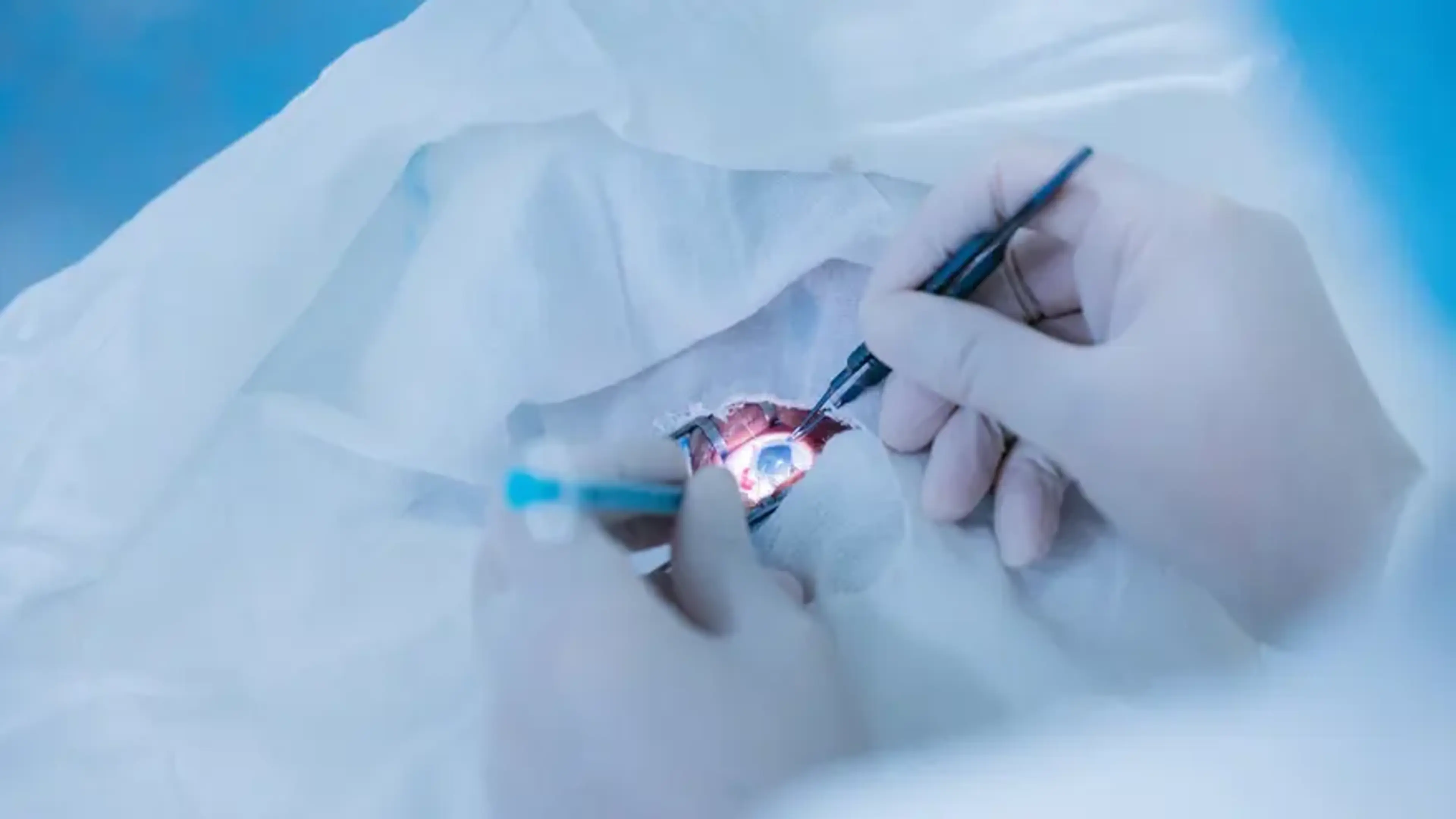
LASIK (Laser-Assisted In Situ Keratomileusis) is a refractive surgery used to correct common vision problems such as nearsightedness, farsightedness, and astigmatism. When the shape of the cornea is irregular, light doesn’t focus properly on the retina, leading to blurry vision. LASIK reshapes the cornea to fix these refractive errors, providing clearer vision.
Here’s what happens during the LASIK procedure:
Creating the Flap: The surgeon uses a femtosecond laser or a microkeratome blade to create a thin flap in the cornea.
Reshaping the Cornea: The surgeon then uses an excimer laser to remove precise amounts of corneal tissue, adjusting the curvature to correct the refractive error.
Repositioning the Flap: Finally, the surgeon carefully places the flap back, where it adheres naturally without needing stitches.
The whole process is typically quick, taking only 10-15 minutes for both eyes, and many patients report seeing improvements in vision within a day. Full recovery and stabilization take a few weeks, with many enjoying 20/20 vision or better.
The question on many minds is whether LASIK could lead to total blindness. To put it bluntly: the risk is virtually nonexistent.
LASIK Only Affects the Cornea – Unlike procedures that target the retina or optic nerve, LASIK involves reshaping the cornea, the outermost layer of the eye. The retina, which processes visual information, and the optic nerve are completely untouched.
Precise Technology – LASIK lasers today are extremely precise, with advancements in computer-guided systems and real-time tracking ensuring the laser follows even the smallest eye movements. This level of precision minimizes the chance for errors.
Careful Patient Selection – Not everyone is a candidate for LASIK. Those with thin corneas, certain eye conditions, or severe dry eyes are typically excluded from surgery. Comprehensive pre-surgical evaluations identify these risk factors, ensuring that only those who are most likely to benefit from the procedure undergo LASIK.
Post-Surgical Monitoring – After surgery, follow-up appointments help ensure proper healing. Patients who follow their surgeon’s post-operative care instructions are much less likely to experience complications.
Despite the overwhelming evidence supporting LASIK’s safety, myths about blindness still persist. So, how can we debunk these fears?
To date, there have been no confirmed cases of LASIK directly causing total blindness in healthy individuals. Most complications from LASIK are either minor or temporary. When LASIK is performed by a skilled surgeon and when the right candidates are selected, the risks are minimal.
In fact, the biggest risk with LASIK is often just the temporary discomfort that comes with healing, such as dry eyes or mild glare, which can be managed with medications or eye drops.
While LASIK is safe, some temporary vision disturbances are common. These are usually short-lived and improve within a few weeks:
Halos and Glare – Some patients may notice halos around lights or glare, particularly at night. This can feel disorienting at first but typically decreases as the eyes heal.
Dry Eyes – LASIK can temporarily affect tear production, leading to dry, irritated eyes. This is especially common in the first few months, but it can usually be managed with lubricating drops.
Flap-Related Complications – Although rare, some patients experience flap-related issues, such as dislocation or wrinkles, especially if they rub their eyes during the recovery process. These problems are minimal with modern technology.
LASIK technology has advanced dramatically since its introduction. Today’s lasers are more precise than ever, and improvements in pre-surgical screening mean that risks are reduced even further. For example, femtosecond lasers now offer bladeless LASIK, which provides greater accuracy in creating the corneal flap, and wavefront-guided LASIK tailors the procedure to each eye, leading to better visual outcomes and fewer side effects like glare or halos.
Certain individuals may face a higher risk of complications from LASIK. These include:
Those with Thin Corneas – People with thin corneas may be at risk of developing corneal ectasia, a condition where the cornea becomes weak and bulges.
Patients with Severe Dry Eyes – LASIK can worsen dry eye symptoms in some cases, though this can usually be managed with treatment.
Those with Large Pupils – People with larger pupils may experience more glare or halos around lights at night, especially in low-light conditions.
A thorough pre-surgical evaluation can help determine whether LASIK is a good fit for a particular patient and ensure they are aware of any potential risks.
Although LASIK is highly successful, some patients may need further intervention:
Enhancement Procedures – If a patient experiences overcorrection or undercorrection, a second LASIK procedure can be performed to refine the results. This is typically done a few months after the initial surgery to allow for full healing.
Treating Complications – In rare cases, more serious complications like persistent dry eyes or corneal issues can be addressed with further treatments, such as special contact lenses or prescription eye drops.
Advancements in LASIK technology have helped improve both its safety and efficacy. For instance:
Femtosecond Lasers – Provide a more accurate, bladeless method of creating corneal flaps, reducing the risk of complications.
Wavefront and Topography-Guided LASIK – These advanced techniques allow for more personalized treatments, improving outcomes for patients with irregular corneas.
Choosing the right surgeon is one of the most important decisions you can make when considering LASIK. A skilled surgeon will carefully assess your candidacy, use the latest technologies, and monitor your recovery to ensure the best results. At SNU Eye Clinic, Dr. Chung Eui Sang, with over 25 years of experience, leads a team of experts dedicated to providing top-tier care and outcomes.
LASIK is a safe and effective procedure, with the risk of blindness being virtually nonexistent. By choosing an experienced surgeon and adhering to post-surgical care, patients can enjoy the benefits of clearer vision without fear of severe complications. With advances in technology, LASIK is safer and more precise than ever before.