Introduction
Cataracts can significantly impact your quality of life, making everyday activities like reading or driving difficult. However, cataract surgery is not just about restoring your vision—it’s about improving your independence and overall lifestyle. With advancements in surgical techniques, particularly the use of femtosecond lasers, cataract surgery has become more precise, less invasive, and quicker than ever before. But one of the most common concerns patients have is: Is cataract surgery painful? In this article, we'll address that concern, explain the procedure, and guide you through the recovery process.
Understanding Cataract Surgery
Cataract surgery involves removing the clouded lens in your eye and replacing it with a clear artificial lens, known as an intraocular lens (IOL). The procedure is highly effective, with a success rate of over 95%, and offers dramatic improvements in vision. For many, cataract surgery isn’t just about seeing clearly again—it's about regaining the ability to live independently and enjoy the activities they love.
Over the years, cataract surgery has evolved significantly. Today, laser-assisted techniques like femtosecond lasers, along with small-incision methods, have revolutionized the way the procedure is performed. These innovations ensure a more precise surgery, faster recovery times, and reduced risks. Let’s take a closer look at what happens during cataract surgery and the pain expectations.
What Happens During Cataract Surgery?
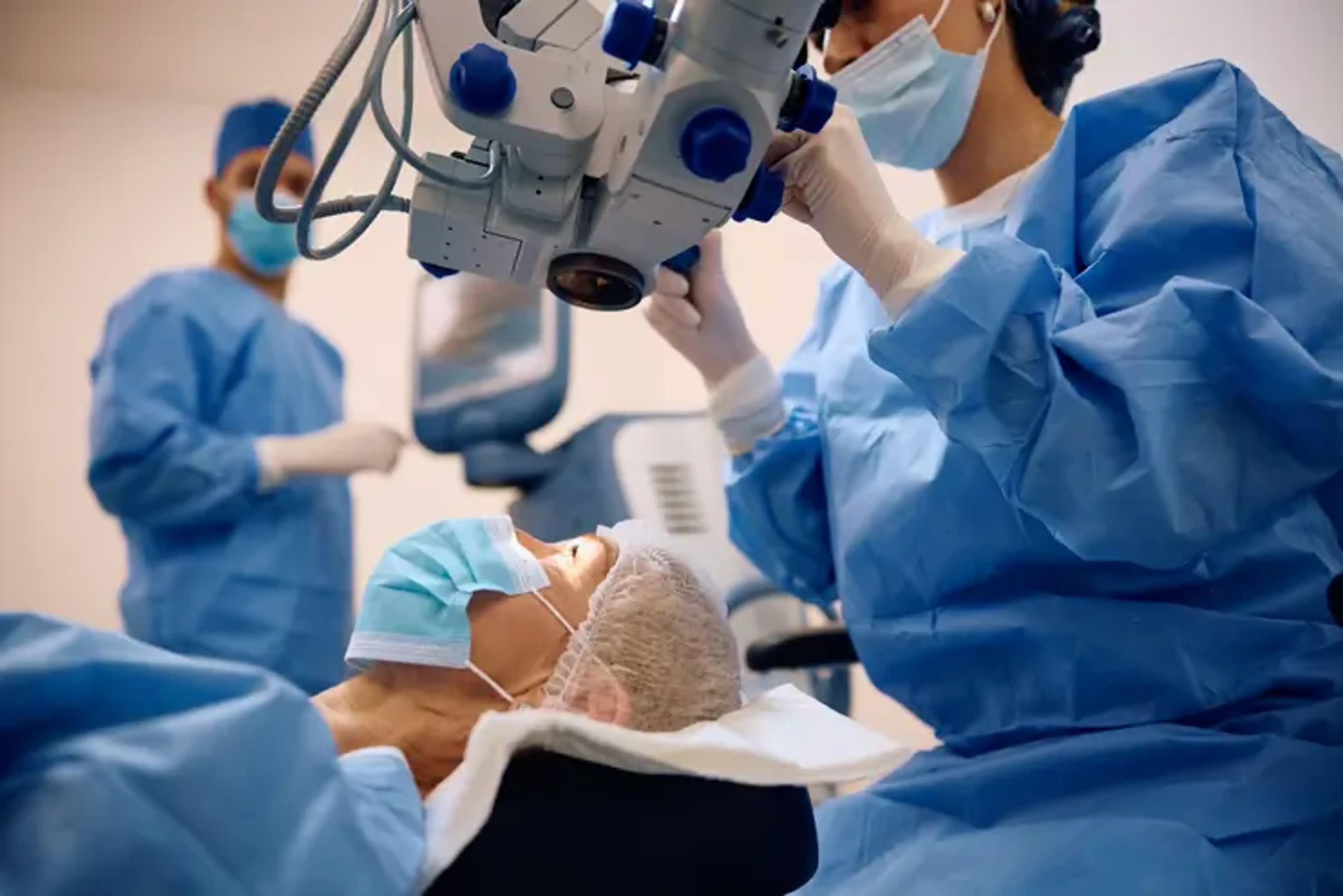
Although cataract surgery can sound intimidating, it is generally a quick and minimally invasive procedure. Here’s what you can expect during the process:
Preparation:
The eye is numbed using special anesthetic drops, ensuring that you won’t feel any pain. Some patients may receive a mild sedative to help them feel more relaxed during the procedure.
Incision and Lens Removal:
The surgeon makes a tiny incision in the cornea, often less than 2mm. Through this incision, the surgeon will use either ultrasound or laser technology to break up the cataract and remove the cloudy lens. Using lasers, especially femtosecond lasers, ensures incredible precision, reducing the risk of complications and improving the safety of the procedure.
Lens Implantation:
Once the cataract is removed, a new, clear intraocular lens (IOL) is carefully implanted. The lens is positioned within the eye, improving focus and restoring vision.
Closing the Incision:
The tiny incision doesn’t require stitches as it self-seals. The entire surgery typically takes around 15-30 minutes per eye, and patients can usually go home the same day.
Is Cataract Surgery Painful?
For most patients, cataract surgery is virtually pain-free. Here's why:
Anesthesia:
The topical anesthesia used for cataract surgery numbs the eye completely, so you won’t feel any pain during the procedure. You may feel a slight sensation of pressure or tugging, but these aren’t painful.
Sedation:
If you're anxious, a mild sedative can be given to ensure you remain calm and relaxed throughout the procedure. Although you’ll be awake during the surgery, the sedative helps you feel at ease.
During Surgery:
Many patients report feeling little to no discomfort during surgery. You might notice some light or movement in your peripheral vision, but there should be no pain. The precision of modern laser technology, especially femtosecond lasers, makes the surgery more comfortable and reduces the chances of complications.
Post-Surgery:
After the procedure, it’s common to experience mild discomfort, such as a scratchy feeling or slight dryness in the eye. These sensations typically resolve within a few days. While discomfort is generally minimal, it’s normal for patients to experience light sensitivity or blurry vision as the eye adjusts to the new lens.
Recovery and What to Expect After Cataract Surgery
The recovery process from cataract surgery is generally quick and straightforward, thanks to modern surgical techniques and anesthesia. Here's a breakdown of what you can expect post-surgery:
Immediate After Surgery:
After the surgery, you may experience some mild irritation or a scratchy sensation, similar to the feeling of having something in your eye. This is temporary and should improve within a few hours.
First Few Days:
Most patients experience minimal pain during the first few days after cataract surgery. You may experience some mild discomfort, dryness, or mild tearing. The eye may appear slightly red or bloodshot due to small blood vessels in the eye, but this is completely normal and will subside in a few days.
Long-Term Recovery:
Over the next 2 to 3 weeks, your vision will gradually improve, and any remaining discomfort should subside. It may take a few weeks for your vision to stabilize completely, but many patients notice significant improvement within the first few days.
Managing Discomfort During Recovery
To minimize discomfort during recovery, consider the following:
Eye Drops and Medication:
Your doctor will prescribe eye drops to help reduce inflammation and prevent infection. Over-the-counter pain relievers like acetaminophen can help ease any mild discomfort.
Protective Eye Shield:
You may need to wear an eye shield during sleep or when resting, especially in the first few days after surgery. This helps protect the eye from accidental pressure or rubbing.
Resting and Avoiding Eye Strain:
During the first week, it’s important to rest your eyes and avoid activities like reading, watching TV for long periods, or using a computer. Avoid strenuous activities to ensure proper healing.
Risks and Complications: How Modern Technology Minimizes Risk
While cataract surgery is generally very safe, it’s important to be aware of potential risks. However, modern laser techniques like femtosecond lasers help minimize these risks significantly. The precision of lasers reduces the likelihood of complications such as infection, lens dislocation, or increased intraocular pressure.
To further reduce risks, follow your doctor’s post-operative care instructions, attend all follow-up appointments, and use prescribed eye drops regularly. This proactive approach will help ensure a smooth and complication-free recovery.
When to Seek Medical Help
Although pain is rare after cataract surgery, it’s important to know when to contact your doctor. If you experience any of the following symptoms, seek medical attention immediately:
Severe pain that doesn’t subside with medication.
Sudden vision loss or significant blurriness.
Excessive redness or swelling of the eye.
Flashes of light or halos around lights that don’t go away.
Why Choose SNU Eye Clinic for Cataract Surgery
SNU Eye Clinic, led by Dr. Chung Eui Sang, is a leader in cataract surgery, offering cutting-edge technology like femtosecond lasers for precise, safe, and effective procedures. With over 25 years of experience, Dr. Chung and his team are dedicated to providing personalized care tailored to each patient’s unique needs.
At SNU Eye Clinic, patient comfort and satisfaction are top priorities. With a track record of over 50,000 successful surgeries, SNU Eye Clinic ensures the best possible outcomes for patients worldwide.
Conclusion
Cataract surgery is a highly effective procedure with a low risk of pain. Thanks to modern advancements in technology, such as femtosecond lasers, the procedure is more comfortable, precise, and safe than ever before. If you’re considering cataract surgery, SNU Eye Clinic offers world-class care and cutting-edge technology to ensure you get the best results.