Introduction
Your vision is one of the most important aspects of your overall health. It’s easy to take for granted, but as we age or experience life changes, it’s essential to be proactive in recognizing when our eyesight may be deteriorating. Most vision changes happen gradually, often without us noticing the subtle shifts at first. However, understanding the signs of worsening vision can help you take early action, preventing further deterioration and preserving your quality of life.
Regular eye exams are vital in detecting changes before they become severe. If you’ve been experiencing new or different symptoms, it’s worth paying attention to them and seeking professional care. This article will walk you through common signs that your vision might be getting worse, helping you understand when it’s time to schedule an eye exam at SNU Eye Clinic, a leading center for advanced vision correction in Seoul.
The First Signs of Worsening Vision
Vision deterioration is rarely a sudden event. Instead, it tends to happen gradually over time. The first signs that your vision may be changing can be subtle and easy to overlook. Many people find that they start squinting more frequently, or they notice that their vision isn’t as sharp as it used to be.
Some early symptoms of worsening vision include:
Blurry Vision: If you find it increasingly difficult to focus clearly on objects, especially at certain distances, it might be an early indicator of a refractive error like myopia (nearsightedness) or hyperopia (farsightedness). Blurry vision can also signal the progression of other eye conditions, such as astigmatism.
Frequent Changes in Prescription: If you need to change your glasses or contact lenses prescription more frequently, it could be a sign that your vision is changing. Our eyes can shift over time, especially as we age or due to factors like prolonged screen time.
Difficulty Seeing at Night: Night blindness or difficulty seeing in low-light situations is a common sign that vision is declining. This might be linked to conditions like cataracts or myopia.
Eye Strain or Fatigue: If your eyes feel tired or strained after prolonged reading, using a computer, or watching TV, this could be a sign that your eyes are working harder to focus.
Many of these changes are gradual, which is why they may go unnoticed at first. The key is to listen to your eyes and seek medical advice when you notice any of these early symptoms.
Blurry Vision and What It Might Mean
One of the most common symptoms of worsening vision is blurry vision. Whether it's at a distance or up close, blurriness can be an indicator that your eyes need attention. Blurry vision can be caused by several eye conditions, and understanding what might be at play can help you take the right next steps.
Myopia (Nearsightedness): If you have trouble seeing objects clearly at a distance but can focus on things close up, you might be nearsighted. This condition typically worsens over time, especially if left untreated. It’s essential to get a prescription update from your optometrist to help correct the blurriness.
Hyperopia (Farsightedness): On the other hand, if you can’t focus on objects up close but have no trouble with distant vision, you may be farsighted. As with myopia, this condition can worsen with age, especially as your eye’s natural ability to focus diminishes.
Astigmatism: Another common cause of blurry vision is astigmatism, a condition where the cornea or lens of the eye has an irregular shape. This irregularity leads to distorted or blurry vision at all distances, often accompanied by eye strain and headaches.
Cataracts: Over time, the lens in your eye can become cloudy, leading to blurry or hazy vision. Cataracts are common as people age, and early symptoms may include a decrease in contrast sensitivity, difficulty seeing at night, and sensitivity to glare.
Blurry vision is one of the most telling signs of a potential underlying eye condition. If this symptom persists or worsens, it’s important to see an eye care professional to determine the cause and get appropriate treatment.
Difficulty Seeing Objects Up Close: A Sign of Presbyopia
As we get older, many of us begin to notice that it becomes harder to see objects up close, especially when reading or using a smartphone. This condition is known as presbyopia, and it typically begins to affect people in their 40s or 50s.
Presbyopia occurs because the lens in your eye becomes less flexible over time, making it difficult to focus on nearby objects. Unlike nearsightedness or farsightedness, which are caused by the shape of the eyeball or cornea, presbyopia is related to the natural aging process of the eye. As your lens stiffens, it loses its ability to change shape and focus on objects at varying distances.
If you’re experiencing:
Difficulty reading small print (books, newspapers, phone screens).
Holding reading materials farther away to see them clearly.
Tired or strained eyes after reading or close-up tasks.
These could all be signs of presbyopia. Presbyopia is a common condition and can be corrected with reading glasses, bifocals, or multifocal lenses. In some cases, SNU Eye Clinic offers innovative surgical solutions, like SMILE LASIK or ICL surgery, to address refractive issues and enhance overall vision, making it easier to focus on objects both near and far.
Recognizing Visual Disturbances and Eye Strain
In addition to the common signs of blurry vision and difficulty seeing at certain distances, visual disturbances and eye strain are key indicators that your vision may be worsening. These symptoms may not always be as obvious but can still signal an underlying issue. It’s essential to pay attention to these disruptions to prevent further vision deterioration.
Visual Disturbances:
If you notice unusual visual experiences such as:
Halos around lights or objects, particularly at night.
Glare that makes it difficult to see clearly, especially when driving at night.
Double vision or seeing multiple images of a single object.
These disturbances can be indicative of a refractive error like astigmatism or even more serious conditions like cataracts or glaucoma. Astigmatism, in particular, causes light to focus on multiple points in the eye, leading to blurry or distorted vision. If you start noticing these types of visual distortions, it’s important to consult an eye care professional for a comprehensive eye exam.
Eye Strain:
Eye strain, or asthenopia, occurs when your eyes become fatigued from extended visual tasks. Common activities that can cause eye strain include reading, working on a computer, or spending long periods on your phone. Symptoms of eye strain may include:
Tired or sore eyes after focusing for long periods.
Headaches often associated with eye discomfort.
Difficulty concentrating due to visual fatigue.
Prolonged eye strain can lead to further discomfort and may worsen existing refractive errors. It’s important to address eye strain early by practicing the 20-20-20 rule (every 20 minutes, take a 20-second break and look at something 20 feet away). Additionally, corrective lenses, such as glasses or contact lenses, can help alleviate eye strain if an underlying vision issue is present.
The Role of Eye Exams in Detecting Worsening Vision
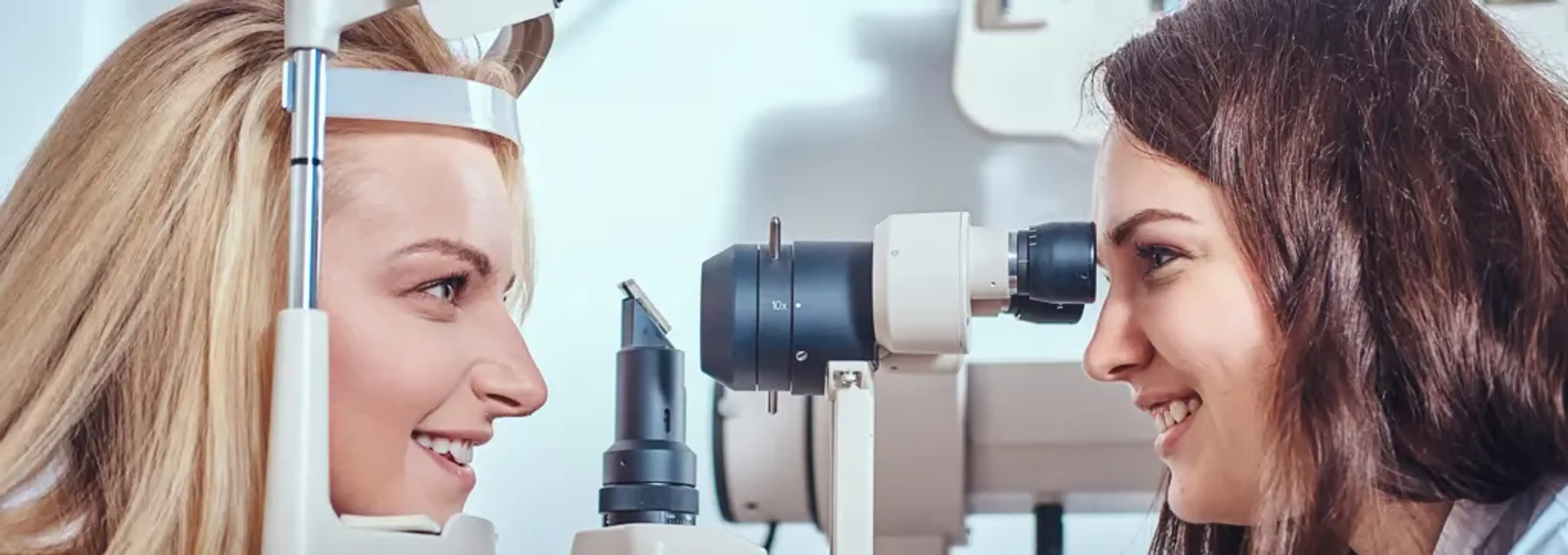
One of the most effective ways to monitor your eye health and catch potential vision problems early is through regular eye exams. An eye exam not only helps identify changes in your vision but also serves as an essential tool for detecting eye conditions before they become serious.
During an eye exam, an ophthalmologist or optometrist will:
Assess your visual acuity (how clearly you can see at different distances).
Check for common refractive errors like myopia, hyperopia, and astigmatism.
Test for the presence of more severe conditions like glaucoma, cataracts, or macular degeneration.
Examine the overall health of your eyes, looking for signs of diabetic retinopathy, hypertension, and other systemic conditions that can affect vision.
An eye exam typically involves a few standard tests, such as:
Visual acuity test: A reading test where you identify letters or symbols on an eye chart at various distances.
Retinal exam: A detailed inspection of the back of the eye to check for signs of damage or disease.
Intraocular pressure test: Measures the pressure inside the eyes to screen for glaucoma.
Eye exams should be scheduled regularly, even if you don’t notice any vision changes. For those over the age of 40, or individuals with a family history of eye conditions, regular checkups are crucial for maintaining long-term eye health. SNU Eye Clinic provides state-of-the-art diagnostic tools and expert ophthalmologists who specialize in detecting and treating vision problems early on.
When Vision Loss May Be More Serious
While many vision changes are benign and can be corrected with glasses or contact lenses, there are times when vision loss may signal something more serious. Sudden or significant changes in vision, especially if they occur rapidly or in one eye, should not be ignored. These can be signs of more severe eye conditions, such as glaucoma, cataracts, or macular degeneration.
Sudden Vision Loss:
If you experience a sudden decrease in vision, such as sudden blurriness or a partial loss of vision in one or both eyes, this could be a medical emergency. Possible causes include:
Retinal detachment: A medical emergency where the retina pulls away from the back of the eye, leading to potential permanent vision loss if untreated.
Acute glaucoma attack: This occurs when the pressure inside the eye rises rapidly, leading to sudden vision loss, severe eye pain, headache, and nausea.
Optic neuritis: Inflammation of the optic nerve, often associated with multiple sclerosis, can cause sudden vision loss.
If you notice any of these symptoms, it’s crucial to seek medical attention immediately. Delaying treatment can result in permanent vision damage. Regular eye exams can help catch these serious conditions early, but if you experience sudden vision changes, don’t wait—contact a professional right away.
Myopia, Hyperopia, and Astigmatism: How They Affect Your Vision
Three of the most common refractive errors that affect vision are myopia, hyperopia, and astigmatism. These conditions can cause blurry vision at different distances and can worsen over time without correction. Understanding how these conditions develop can help you identify when your vision may be deteriorating.
Myopia (Nearsightedness): If you struggle to see distant objects clearly but can read up close without difficulty, you might be nearsighted. Myopia occurs when the eyeball is too long or the cornea is too curved, preventing light from focusing directly on the retina. This condition tends to worsen with age and is common in children and young adults.
Hyperopia (Farsightedness): Farsightedness occurs when distant objects are clear, but nearby objects appear blurry. This happens when the eyeball is too short or the cornea is too flat. While many people are born with hyperopia, it can worsen with age, particularly after 40, when the ability to focus on close objects declines due to presbyopia.
Astigmatism: Astigmatism is caused by an irregularly shaped cornea or lens, which causes light to focus on multiple points in the eye, leading to distorted or blurry vision at all distances. This condition can occur alongside myopia or hyperopia and can worsen over time if left untreated.
If you find that your glasses prescription changes frequently or your vision becomes blurry at varying distances, it’s essential to seek professional evaluation. SNU Eye Clinic offers a wide range of treatments, including SMILE LASIK and ICL surgery, to correct refractive errors like myopia, hyperopia, and astigmatism, helping you regain clear and sharp vision.
Steps You Can Take to Prevent Further Vision Deterioration
Taking steps to protect your vision is essential to maintaining healthy eyesight for years to come. While some vision changes are inevitable due to aging or genetic factors, there are proactive measures you can take to prevent further deterioration and support optimal eye health.
1. Follow the 20-20-20 Rule:
If you spend long hours on screens, you may experience eye strain, which can exacerbate existing vision problems. The 20-20-20 rule is a simple method to reduce eye strain: Every 20 minutes, take a 20-second break and look at something 20 feet away. This helps to give your eyes a break and prevents them from becoming fatigued.
2. Protect Your Eyes from UV Damage:
UV radiation from the sun can cause damage to the eyes over time, leading to conditions such as cataracts or macular degeneration. Wear sunglasses with UV protection when you're outdoors, even on cloudy days, to shield your eyes from harmful rays.
3. Maintain a Healthy Diet:
What you eat can significantly impact your eye health. Incorporate foods rich in antioxidants, such as leafy greens, carrots, sweet potatoes, and berries, as well as omega-3 fatty acids found in fish and nuts. These nutrients support retinal health and can lower the risk of age-related vision problems.
4. Stay Active and Manage Your Health:
Regular exercise improves blood circulation, including to the eyes, and can reduce the risk of conditions like diabetic retinopathy and high blood pressure, both of which can affect vision. Additionally, managing chronic conditions such as diabetes and hypertension can protect your vision over time.
5. Get Regular Eye Exams:
The most effective way to prevent serious vision deterioration is through regular eye exams. Even if you don’t experience noticeable changes in your vision, an eye exam can detect potential problems early on, making it easier to treat and manage conditions before they cause irreversible damage.
6. Use Proper Lighting:
Ensure your home and workspace are well-lit to avoid straining your eyes when reading or working. Dim lighting can cause eye fatigue, making it harder to focus and increasing the likelihood of blurry vision over time.
Why Choose SNU Eye Clinic for Your Vision Care?
At SNU Eye Clinic, we understand how important your eyesight is to your daily life. Our clinic, located in the heart of Seoul, is equipped with the latest diagnostic tools and technologies to help detect and treat a wide range of vision problems. Led by Dr. Chung Eui Sang, a distinguished ophthalmologist with over 25 years of experience, we offer personalized care tailored to meet your specific needs.
Whether you're dealing with refractive errors, cataracts, presbyopia, or other eye conditions, our team is dedicated to providing the highest quality care to ensure you achieve the best possible outcomes. We specialize in advanced procedures like SMILE LASIK, ICL surgery, and more, using cutting-edge technology to improve your vision and enhance your quality of life.
Trust SNU Eye Clinic to be your partner in eye health. Contact us today to schedule your eye exam and take the first step toward clearer, healthier vision.
Conclusion
Recognizing the early signs of deteriorating vision can make a significant difference in the treatment and management of eye conditions. From blurry vision and difficulty seeing at night to more serious symptoms like sudden vision loss, it's crucial to listen to your body and seek professional care if you notice any changes. Regular eye exams are essential in catching vision problems early and ensuring that your eyes remain healthy for the long term.
At SNU Eye Clinic, we are committed to helping our patients preserve and enhance their vision through state-of-the-art diagnostic tools and innovative treatments. Whether you're experiencing the early stages of refractive errors like myopia, hyperopia, or astigmatism, or you're noticing age-related conditions like presbyopia, our team of experts can provide you with personalized solutions to improve your quality of life.
Don't wait until your vision worsens—schedule an eye exam today at SNU Eye Clinic to get a comprehensive evaluation and start your journey toward better eye health.