The First Hours After Surgery: Gentle Care Matters Most
1.-the-first-hours-after-surgery:-gentle-care-matters-mostAfter SMILE or LASIK, your eyes will begin healing immediately — but they’re also highly sensitive.
You may notice:
Mild tearing or watery eyes
A sandy or foreign-body sensation
Slight light sensitivity or hazy vision
These are normal signs that your cornea is healing.
What to do:
Keep your eyes closed and rest. The first 2–3 hours after surgery are for recovery. Light sleep helps your eyes begin sealing the microscopic incision made during SMILE.
Do not rub your eyes. Even gentle rubbing can disturb healing tissue. If they itch or water, blot your cheeks instead of touching your eyelids.
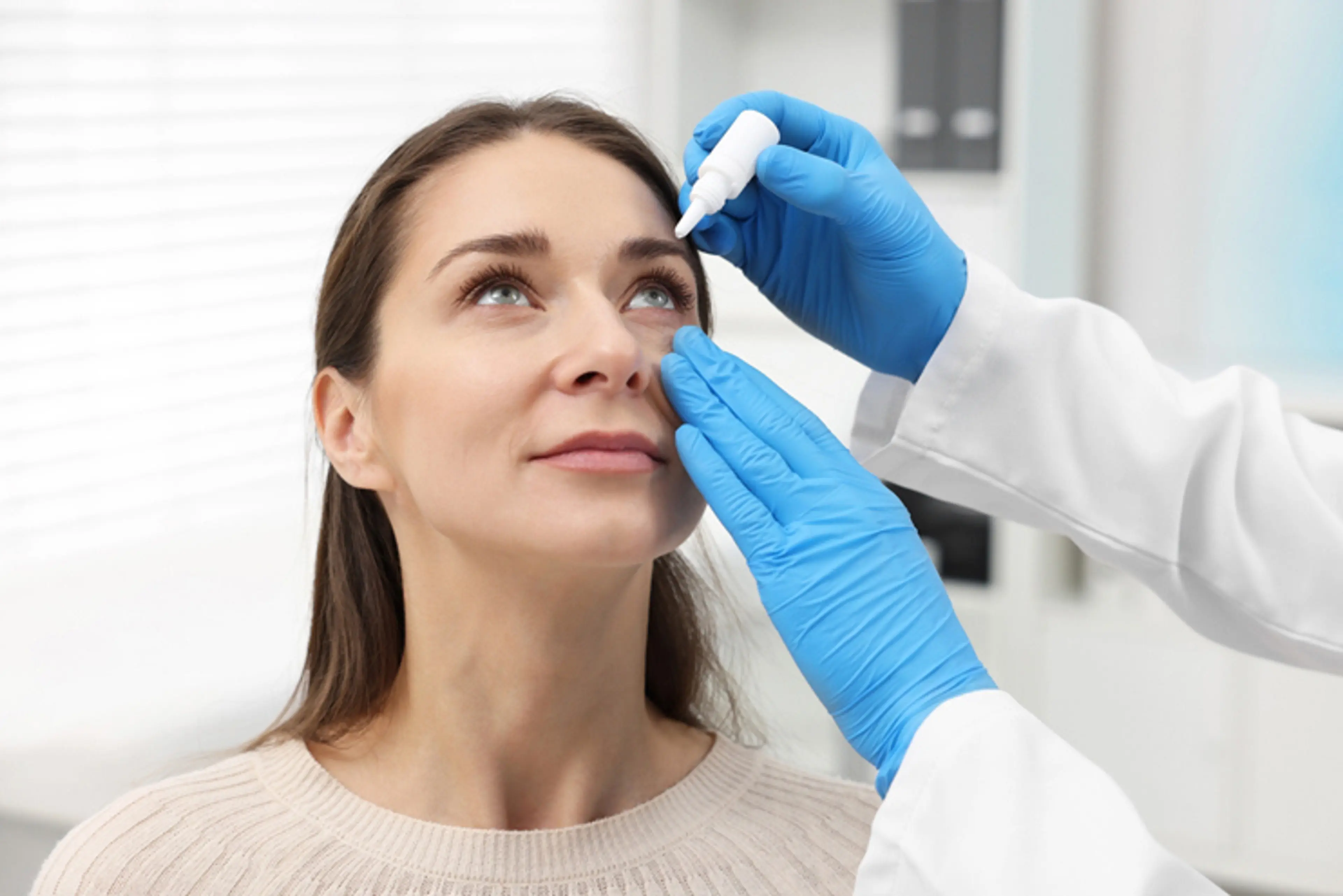
Use your prescribed eye drops exactly as directed. At SNU Eye Clinic, every patient leaves with a custom drop schedule including:
Antibiotic drops (to prevent infection)
Anti-inflammatory drops (to control healing response)
Artificial tears (to relieve dryness)
“Even the best technology can’t replace disciplined aftercare. Drops are your invisible shield — they keep your new cornea healthy.”
The First Day: Let Your Vision Settle Naturally
2.-the-first-day:-let-your-vision-settle-naturallyYour vision may fluctuate during the first 24 hours — some moments are crystal clear, others slightly hazy.
This is normal. The cornea is adjusting its hydration and optical balance.
Tips for Day 1:
Avoid screens and reading. Bright light or focusing too long can strain healing tissue.
Wear protective goggles (provided by our clinic) when sleeping to avoid accidental touching.
Keep your environment clean. Avoid dusty or smoky areas — your eyes are more vulnerable to irritation.
Eat and hydrate well. Omega-3–rich foods (like salmon or flaxseed) and adequate water support tear film recovery.
At SNU Eye Clinic, most
SMILE patients notice
functional vision within 4–6 hours — enough to navigate comfortably by evening.
The First Week: Protect, Hydrate, and Heal
3.-the-first-week:-protect-hydrate-and-healDuring the first week, your cornea strengthens and your vision stabilizes. The risk of infection or inflammation is small — but still possible if care instructions aren’t followed closely.
What to Do:
what-to-do Use all prescribed drops. Do not skip doses. Bring them to your follow-up visits for adjustment if needed.
Avoid makeup and facial creams around your eyes. Tiny particles or bacteria can enter through healing microchannels.
Wear sunglasses outdoors. UV exposure can trigger temporary haze or dryness; good UV protection supports smoother healing.
Stay away from water. No swimming, saunas, or direct shower spray near your eyes. When washing your face, use a damp cloth instead.
Blink consciously and often. This helps spread natural tears evenly across your cornea.
What to Expect:
what-to-expectMild dryness or fluctuating sharpness
Slight sensitivity to bright lights
Gradually increasing clarity
If your eyes feel tired, close them and rest — healing accelerates when your body relaxes.
Weeks 2–4: Returning to Normal Life — Safely
4.-weeks-2-4:-returning-to-normal-life-safelyBy now, most patients at SNU Eye Clinic can resume nearly all normal activities.
You can:
Use computers, phones, and read comfortably
Return to work
Drive (once cleared by your doctor)
Exercise gently (yoga, walking, cycling)
Still avoid:
Swimming or diving (for at least 3–4 weeks)
Contact sports like basketball or martial arts
Excessive eye rubbing or direct wind exposure
Monitor Your Dryness Levels
monitor-your-dryness-levelsIt’s common to experience temporary dryness, especially after LASIK or SMILE.
Artificial tears (preservative-free) are safe to use up to 6–8 times daily.
“Dry eyes are the most common reason patients feel vision fluctuations,” says Dr. Chung. “Frequent lubrication ensures stable focus and comfort.”
After 1 Month: Fine-Tuning and Long-Term Protection
5.-after-1-month:-fine-tuning-and-long-term-protectionBy the one-month mark, your cornea’s surface has healed, and your visual acuity should be stable — often 20/20 or better.
Your eye doctor will check:
At
SNU Eye Clinic, we use
topography-guided imaging to verify healing patterns — ensuring each eye’s optical surface remains perfectly smooth.
Long-Term Care Tips
long-term-care-tipsContinue artificial tears as needed, especially in dry seasons or air-conditioned environments.
Wear sunglasses outdoors, even long-term — UV protection preserves both corneal and retinal health.
Avoid rubbing your eyes, ever. It’s one of the few habits that can cause long-term corneal stress.
Maintain regular checkups. We recommend visits at 1 week, 1 month, 3 months, 6 months, and annually thereafter.
Special Considerations for Contact Lens-Based Surgery (ICL)
6.-special-considerations-for-contact-lens-based-surgery-(icl)If you’ve had an Implantable Collamer Lens (ICL) procedure rather than corneal laser surgery:
Avoid strenuous activity for 1 week.
Use prescribed anti-inflammatory drops longer (usually 3–4 weeks).
Do not press on your eyelids or sleep face-down.
Attend all postoperative pressure and vault checks.
The ICL lens is designed to rest gently behind your iris — proper monitoring ensures long-term compatibility and crystal-clear vision.
Common Sensations and When to Call Your Doctor
7.-common-sensations-and-when-to-call-your-doctorNormal sensations:
Mild dryness or grittiness
Occasional glare or halo in dim light (resolves as the cornea stabilizes)
Slight difference in sharpness between eyes
Contact the clinic immediately if you notice:
At SNU Eye Clinic, we have a 24-hour patient support line for postoperative concerns. Prompt evaluation prevents complications and gives peace of mind.
How Long Does Full Recovery Take?
8.-how-long-does-full-recovery-takeSMILE: 3–5 days for daily function; full stability by 1–2 months
LASIK: 1–3 days for clear vision; stability by 1 month
ICL: 3–7 days for adaptation; full comfort by 1–2 months
“Our patients are often amazed by how quickly recovery happens,” says Dr. Chung.
“With the VisuMax 800 system and modern microincision techniques, most can return to normal life within days — not weeks.”
However, healing continues beneath the surface for several months. Proper lubrication and UV protection remain key even after your vision feels perfect.
Real Patient Experiences from SNU Eye Clinic
9.-real-patient-experiences-from-snu-eye-clinicCase 1 – The Marathon Runner (SMILE PRO):A 32-year-old fitness enthusiast resumed training within a week. By her one-month follow-up, she reported crystal-clear
vision and no dryness — something she never achieved with contact lenses.
Case 2 – The Consultant (ICL):
A 41-year-old office worker spent 10 hours a day on screens. After Toric ICL implantation, he followed his drop schedule precisely and noticed sharp, stable vision even during long presentations.
Both cases show what we tell every patient: precision surgery delivers clear results — but disciplined aftercare ensures they last.
The SNU Eye Clinic Approach: Precision, Safety, and Trust
10.-the-snu-eye-clinic-approach:-precision-safety-and-trustLocated in Gangnam, Seoul, SNU Eye Clinic combines advanced surgical technology with university-level ophthalmology expertise.
Led by Dr. Chung Eui Sang, former professor at Seoul National University and Harvard Medical School fellow, our clinic has performed over 50,000 successful eye surgeries, including more than 5,000 ICL cases.
Our post-surgery care philosophy is simple:
“Treat every eye as if it were your own. Healing isn’t just about medicine — it’s about meticulous follow-up and patient partnership.”
Every patient receives a personalized recovery plan, advanced diagnostic imaging, and one-on-one guidance — ensuring both comfort and long-term visual stability.
Final Thoughts: Your Vision, Protected for Life
11.-final-thoughts:-your-vision-protected-for-lifeSMILE, LASIK, or ICL surgery is one of the most life-changing decisions you’ll ever make — and proper aftercare is what turns surgical success into lasting clarity.
So remember:
Follow your drop routine diligently.
Avoid rubbing or contaminating your eyes.
Keep them hydrated and UV-protected.
Attend your follow-ups — your surgeon can see healing changes before you can.
With mindful care, your vision can remain sharp, stable, and effortless for decades to come.
If you’ve recently had or are planning vision correction surgery,
if-you've-recently-had-or-are-planning-vision-correction-surgeryconsider scheduling a personalized postoperative care consultation at SNU Eye Clinic in Gangnam.
Our team ensures that every stage — from diagnosis to long-term follow-up — is guided by precision, compassion, and a promise of clarity you can trust.