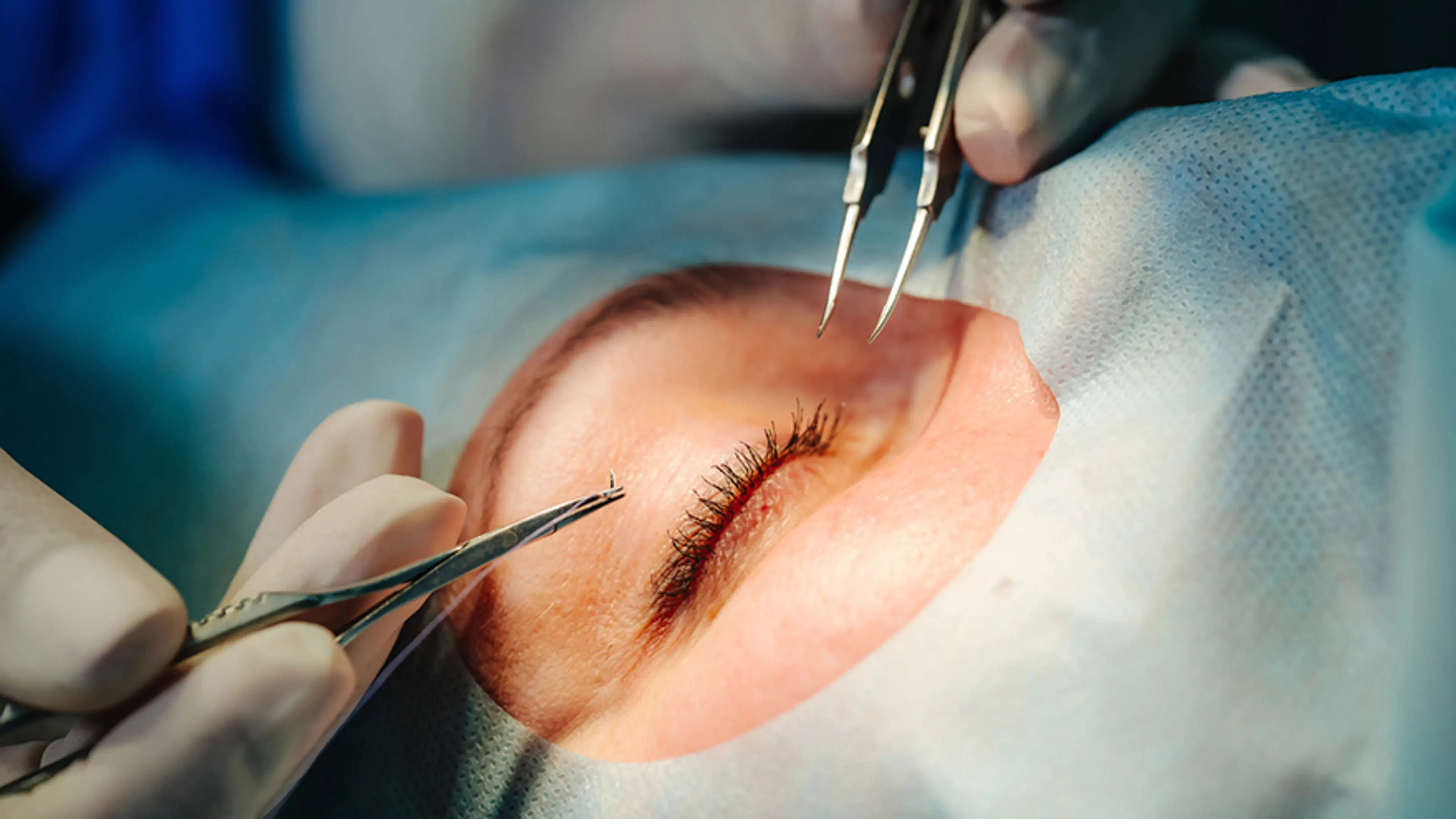
How to Choose the Right Surgeon for Your Vision Correction Surgery?
how-to-choose-the-right-surgeon-for-your-vision-correction-surgery(From the perspective of SNU Eye Clinic, Gangnam – by Dr. Chung Eui Sang)
Imagine waking up in the morning, opening your eyes, and seeing the world clearly without reaching for glasses or contact lenses. For many people, that moment begins with vision correction surgery — SMILE, LASIK, or ICL implantation. But while technology has evolved tremendously, the most critical factor in your outcome is not just the laser — it’s the surgeon behind it.
Choosing the right eye surgeon is one of the most important medical decisions you will ever make. It’s not simply about credentials or clinic size; it’s about trust, precision, and the surgeon’s ability to personalize your care based on your unique eyes.
At
SNU Eye Clinic in Gangnam, where
Dr. Chung Eui Sang and his team have performed over
50,000 successful vision correction surgeries, we’ve seen firsthand how the right choice of surgeon determines not only how well you see but how confidently you live afterward.
Why Your Choice of Surgeon Matters More Than Technology?
why-your-choice-of-surgeon-matters-more-than-technologyModern laser systems like
VisuMax 800 for SMILE PRO or
EVO+ ICL lenses have made
vision correction safer and more accurate than ever. But advanced tools don’t guarantee good results on their own — just as a high-end piano doesn’t make beautiful music without a skilled pianist.
Your surgeon’s hands, decision-making, and judgment determine:
How precisely your cornea is reshaped
How safely the lens is implanted
How personalized your correction is to your visual habits
And how your eyes recover in the days and years that follow
Even with identical equipment, outcomes vary greatly depending on the surgeon’s experience, planning accuracy, and intraoperative finesse. At SNU Eye Clinic, Dr. Chung often says,
“Technology gives us consistency, but human skill gives each eye its best possible result.”
Step 1: Research the Surgeon’s Background — Beyond Titles
step-1:-research-the-surgeon's-background-beyond-titlesWhen evaluating potential surgeons, don’t stop at the clinic’s advertisements or general reputation. Look into the surgeon’s training lineage and case volume — these two factors often reveal far more than any marketing claim.
1.1 Academic and Clinical Foundation
1.1-academic-and-clinical-foundationA strong foundation in ophthalmology, ideally from a major teaching hospital or university program, ensures the surgeon has handled complex eye conditions, not just routine procedures.
For instance, Dr. Chung Eui Sang was trained at Seoul National University, and later served as a faculty member and ophthalmic surgeon at Samsung Seoul Hospital, one of Korea’s top tertiary centers. He also refined his microsurgical skills through international fellowship experience at Harvard Medical School.
That kind of background matters. It indicates that your surgeon has been trained to approach each eye not as a standard case, but as a complex optical system requiring precise customization.
1.2 Surgical Volume and Track Record
1.2-surgical-volume-and-track-recordNumbers don’t tell the whole story — but they do tell an important one. A surgeon who has performed thousands of successful
SMILE or ICL procedures has encountered every possible variation in anatomy, healing pattern, and refractive error.
For example, Dr. Chung has completed over
50,000 refractive and cataract surgeries, including more than
5,000 ICL implantations. This level of experience is what allows him to fine-tune surgical parameters instinctively and manage rare situations calmly if they arise.
Step 2: Evaluate the Clinic’s Diagnostic Precision
step-2:-evaluate-the-clinic's-diagnostic-precisionBefore any surgery, a truly professional clinic conducts extensive preoperative diagnostics. This isn’t just to qualify you for surgery — it’s to tailor the procedure to your exact corneal shape, tear film stability, and visual habits.
At SNU Eye Clinic, we perform:
Corneal topography and tomography (to map the eye in three dimensions)
Wavefront analysis (to detect subtle optical irregularities)
Tear film and ocular surface evaluation (critical for patients with dryness)
Pupil dynamics and night vision tests
Why does this matter?
Because an over-simplified evaluation — such as a quick eyesight test and corneal thickness scan — can miss critical details that affect long-term outcomes. A precision clinic ensures that what’s best for your eyes, not what’s convenient for the clinic schedule, drives the surgical plan.
Step 3: Ask About the Technology — But Focus on Its Application
step-3:-ask-about-the-technology-but-focus-on-its-applicationThe best surgeons don’t just own the latest machines; they understand how to use them optimally.
For example:
When consulting, ask your surgeon why they prefer a particular procedure for your eyes and how they personalize it. A confident, ethical surgeon will gladly explain in plain language rather than hiding behind technical jargon.
Step 4: Consider How the Surgeon Communicates and Listens
step-4:-consider-how-the-surgeon-communicates-and-listensYou can tell a lot about a surgeon’s professionalism by how they interact during your consultation.
A trusted surgeon will:
Listen carefully to your lifestyle needs (e.g., sports, screen time, night driving)
Explain not only the benefits but also the limitations and risks honestly
Encourage you to take time before deciding — not push you into immediate surgery
Provide clear expectations about recovery, dryness, and long-term stability
Many patients tell us that after their consultation with Dr. Chung, they felt both informed and reassured — not rushed. That’s the kind of relationship you should look for: one built on transparency and respect, not sales pressure.
Step 5: Check for Long-Term Care and Follow-Up Commitment
step-5:-check-for-long-term-care-and-follow-up-commitmentA true vision correction specialist doesn’t see the surgery as the end of care — it’s the beginning of a long-term relationship with your eyes.
Look for clinics that:
Offer comprehensive follow-ups for months or years post-surgery
Track your visual stability over time
Provide easy access to your surgeon if any concerns arise later
At
SNU Eye Clinic, follow-up visits are an integral part of the care plan. Patients often return years later for checkups or simply to share how their vision has remained stable a decade after surgery. This kind of continuity is one of the strongest indicators of trustworthiness in a clinic.
Step 6: Look for Evidence of Real-World Patient Satisfaction
step-6:-look-for-evidence-of-real-world-patient-satisfactionReading testimonials, online reviews, or patient interviews can reveal the intangible aspects of a surgeon’s reputation — empathy, attentiveness, and consistency.
Pay attention to comments like:
“The doctor explained every step clearly.”
“My recovery was smoother than I expected.”
“I could see clearly the very next day.”
At SNU Eye Clinic, we often hear patients say,
“I wish I had done this sooner.”
These words matter more than any advertisement — they reflect genuine relief and gratitude from people whose daily lives have changed for the better.
Step 7: Recognize Red Flags When Choosing a Surgeon
step-7:-recognize-red-flags-when-choosing-a-surgeonUnfortunately, not every clinic operates with the same ethical standards. Be cautious if you encounter any of the following:
Overly aggressive promotions or “limited-time discounts” for surgery
Minimal diagnostic testing before recommending a procedure
Unclear or rushed explanations about risks
Claims of “zero risk” or “perfect results” — no surgery is ever 100% risk-free
A responsible surgeon will never promise perfection but will strive for your safest and most stable vision outcome.
The SNU Eye Clinic Approach: Precision, Safety, and Personalization
the-snu-eye-clinic-approach:-precision-safety-and-personalizationDr. Chung Eui Sang built SNU Eye Clinic in Gangnam with a clear philosophy: combine academic precision with patient-centered care.
Here’s what that means in practice:
Every surgery plan is created by Dr. Chung himself, after detailed diagnostics.
Only FDA-approved and globally recognized technologies (like Carl Zeiss VisuMax 800 and STAAR EVO+ ICL) are used.
Every patient — from young professionals choosing SMILE PRO to older adults needing cataract correction — receives individualized care, not a template plan.
The clinic prioritizes minimally invasive techniques that preserve corneal integrity and accelerate healing.
To be honest, many patients are surprised by how quick and gentle recovery can be. With SMILE PRO, most return to work or daily activities within a day or two, and the majority describe the procedure as “painless and surprisingly simple.”
Final Thoughts: Vision Correction Is a Partnership, Not a Transaction
final-thoughts:-vision-correction-is-a-partnership-not-a-transactionChoosing the right surgeon isn’t about finding the lowest cost or the flashiest clinic — it’s about finding a partner you can trust with your vision.
When you meet the right surgeon, you’ll feel it: calm confidence, clear explanations, and genuine care for your well-being. That trust is what leads to not only clear vision but peace of mind.
If you’ve been considering vision correction — whether SMILE PRO, LASIK, or ICL — take the time to consult a precision-driven clinic with proven experience. Ask questions. Compare insights. And most importantly, choose a surgeon who treats your eyes as if they were their own.