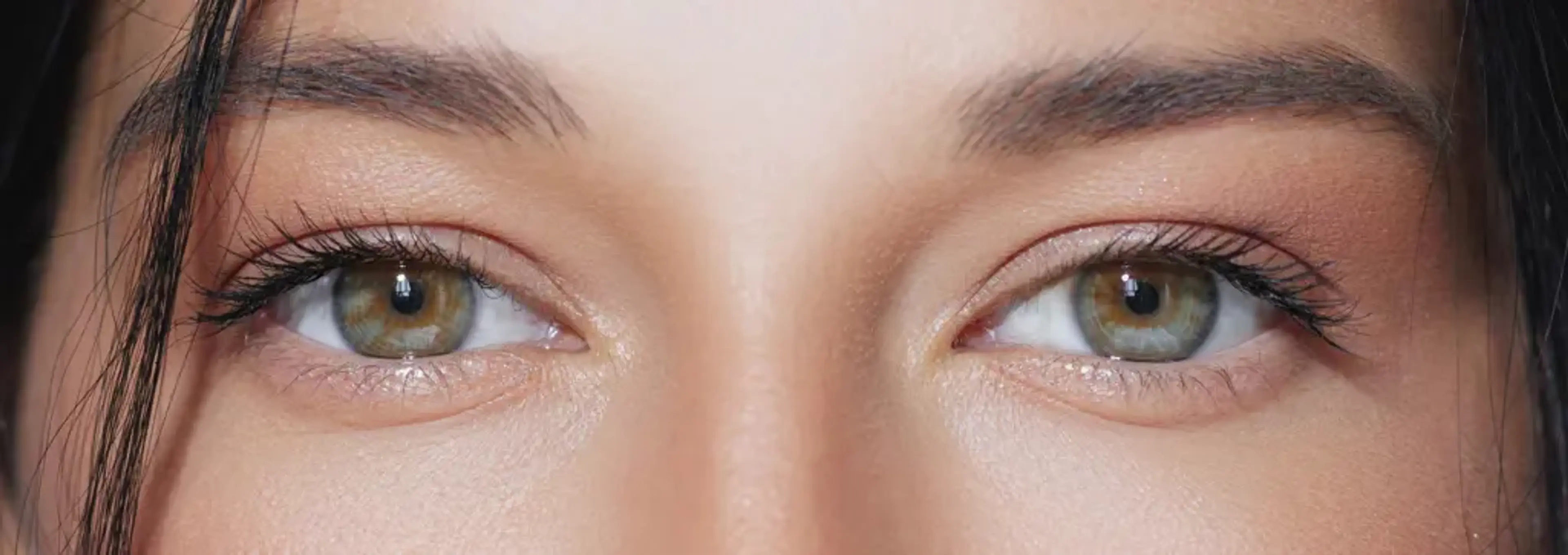
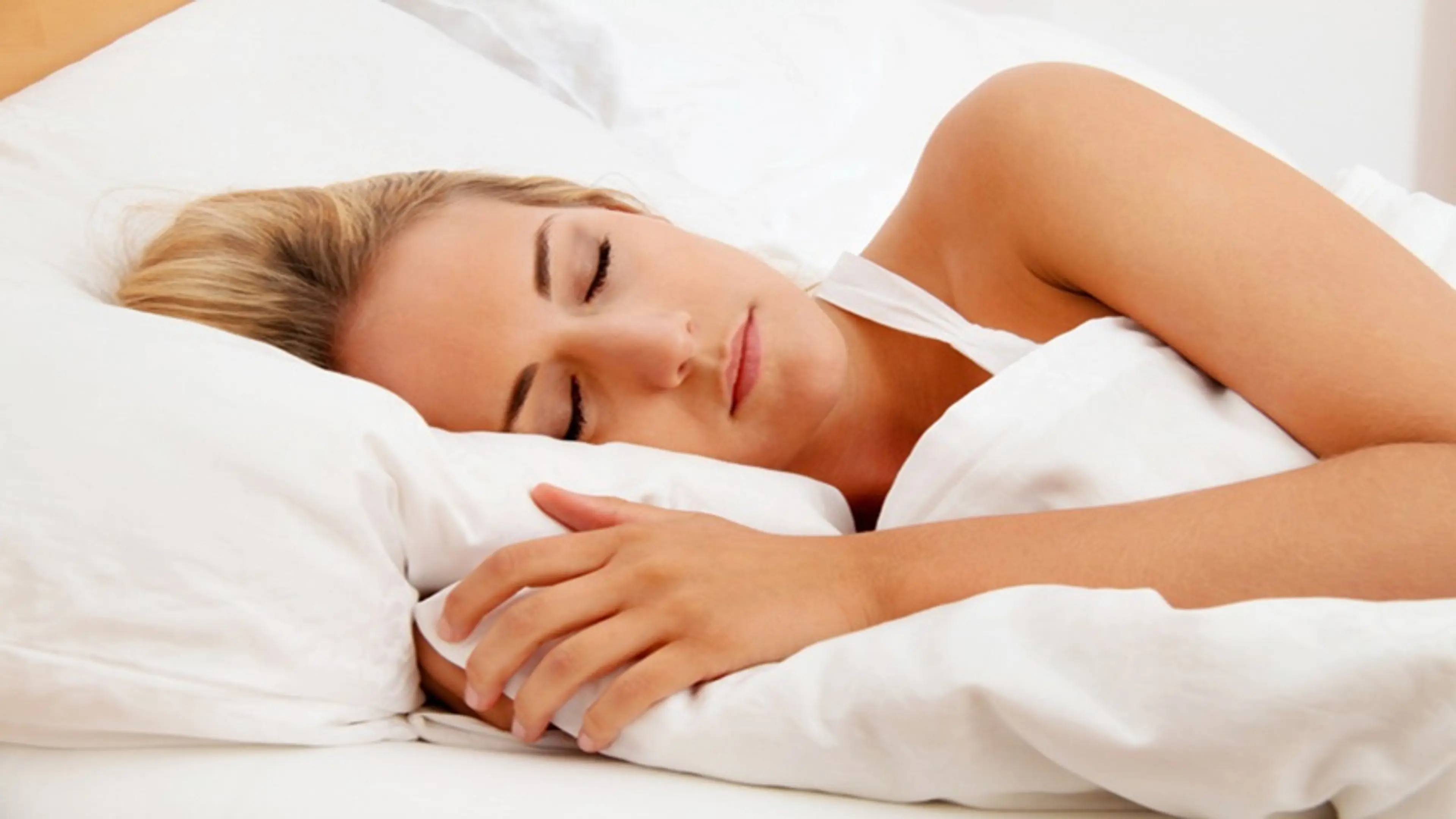
Imagine Waking Up With Blurry Eyes — And Not Knowing Why
imagine-waking-up-with-blurry-eyes-and-not-knowing-whyYou wake up after a short night’s sleep, rub your eyes, and notice they feel unusually dry or heavy. The text on your phone looks fuzzier than usual, and even bright light feels slightly uncomfortable.
Most people think of sleep as rest for the body, but few realize how deeply it affects the eyes. At SNU Eye Clinic, we often meet patients who complain of dry eyes, blurred vision, or eye fatigue — and when we trace their lifestyle, poor sleep habits are frequently part of the picture.
Your eyes are the only organs that remain directly exposed to the environment all day. Every blink, every focus adjustment, and every tear your eyes produce depends on finely tuned biological rhythms — many of which are regulated by sleep.
Why Sleep Matters for Vision?
why-sleep-matters-for-visionSleep is not simply about closing your eyes; it’s when your visual system goes into repair mode. During deep sleep, the body restores the tear film, replenishes corneal nutrients, and balances intraocular pressure.
A consistent 7–8 hours of quality sleep allows the delicate structures of your eyes — the cornea, retina, and optic nerve — to recover from daily strain. Without that rest, the eyes cannot maintain proper lubrication or cellular balance.
At SNU Eye Clinic, we explain it this way:
“Your eyes are like a camera
lens. Sleep is the time when the camera is cleaned, lubricated, and recalibrated for the next day.”
The Role of Sleep in Tear Production and Dry Eyes
1.-the-role-of-sleep-in-tear-production-and-dry-eyesOne of the most immediate consequences of sleep deprivation is dry eye syndrome.
When you sleep, your eyes are closed, creating a moist chamber that allows the meibomian glands (which produce the oily layer of your tear film) to restore their secretions. Poor or insufficient sleep disrupts this cycle, reducing oil production and causing faster tear evaporation during the day.
In fact, studies have shown that sleep-deprived individuals have up to 30% lower tear volume compared to those who sleep adequately. That’s why people who stay up late or work night shifts often wake up with red, irritated eyes.
At our clinic, we see this pattern especially among:
Young professionals and students preparing for exams
Office workers staring at screens until midnight
Contact lens wearers who already have borderline dry eyes
When these factors combine, dryness intensifies — and can mimic more serious eye diseases. Sometimes patients think their vision has worsened, but the real culprit is a dehydrated ocular surface caused by poor sleep.
How Poor Sleep Affects the Retina and Vision Processing?
2.-how-poor-sleep-affects-the-retina-and-vision-processingThe retina, located at the back of your eye, is like the film in a camera — capturing light and sending signals to your brain. It is highly metabolically active and relies on oxygen and nutrient delivery through fine blood vessels.
Lack of sleep can constrict these vessels and increase oxidative stress, leading to subtle but measurable changes in retinal function. Over time, this may affect how clearly you perceive contrast, colors, and motion.
Chronic sleep disruption has also been linked with conditions such as:
Glaucoma (due to increased intraocular pressure and impaired optic nerve perfusion)
Retinal microvascular changes (especially in patients with diabetes or hypertension)
Reduced visual reaction speed, especially noticeable in night driving
To be clear, missing one night’s sleep won’t cause blindness — but habitual sleep deprivation can gradually erode the efficiency and resilience of your visual system.
The Sleep–Intraocular Pressure Connection
3.-the-sleep-intraocular-pressure-connectionAnother key area where sleep plays a role is intraocular pressure (IOP) — the fluid pressure inside your eye.
Normally, IOP follows a daily rhythm: it tends to rise at night and lower during the day. Sleep disturbances — particularly from irregular sleep cycles or sleep apnea — can cause abnormal fluctuations, which strain the optic nerve over time.
At
SNU Eye Clinic, we pay close attention to this when evaluating patients with early or “suspect” glaucoma. Some patients who appear normal during the day actually experience
nighttime IOP spikes, which can silently damage the optic nerve.
In patients with obstructive sleep apnea (OSA), oxygen deprivation during sleep causes systemic blood vessel changes that further increase glaucoma risk. That’s why anyone with both sleep apnea and vision concerns should undergo a comprehensive eye pressure check.
How Blue Light and Screen Habits Disrupt Ocular Rest?
4.-how-blue-light-and-screen-habits-disrupt-ocular-rest
Modern lifestyles add a new dimension to the sleep–vision equation: blue light exposure.
Staring at phones, tablets, or monitors late into the night suppresses melatonin production, delaying sleep onset. Even more, prolonged near focus and reduced blinking from screen use lead to digital eye strain and dryness.
At SNU Eye Clinic, we often hear from young patients in Gangnam’s tech-driven work culture:
“I fall asleep with my phone in my hand, and my eyes feel tired even after eight hours of sleep.”
Here’s why: it’s not only about how long you sleep, but how quickly and deeply your eyes reach their restorative stage. If your sleep is delayed or fragmented by light exposure, your eyes don’t get the full regenerative benefit.
Tip from our specialists:
Try reducing blue light exposure at least one hour before bedtime. Using “night mode” settings or amber filters can help, but the most effective method is to let your eyes truly rest — away from screens, ideally with low ambient light.
The Link Between Sleep Disorders and Eye Diseases
5.-the-link-between-sleep-disorders-and-eye-diseasesCertain systemic sleep disorders are directly associated with ocular problems. Here are a few clinically relevant examples we see in practice:
a. Sleep Apnea and Glaucoma
a.-sleep-apnea-and-glaucomaAs mentioned, patients with obstructive sleep apnea often have intermittent oxygen drops at night. This reduces blood flow to the optic nerve, accelerating glaucomatous damage even when intraocular pressure appears normal.
We’ve observed that once sleep apnea is treated (for example, with CPAP therapy), patients often show stabilization of visual field loss.
b. Insomnia and Dry Eye Disease
b.-insomnia-and-dry-eye-diseaseChronic insomnia alters hormonal balance — particularly cortisol and inflammatory cytokines — leading to higher ocular surface inflammation. These patients often describe burning, gritty sensations and blurred morning vision.
c. Restless Sleep and Myokymia (Eyelid Twitching)
c.-restless-sleep-and-myokymia-(eyelid-twitching)Mild but persistent eyelid twitching, called myokymia, often stems from fatigue, caffeine, or stress. While not dangerous, it’s an early sign that your ocular muscles and nerves need rest.
How Sleep Affects Post-Surgery Recovery (SMILE, LASIK, and ICL Patients)?
6.-how-sleep-affects-post-surgery-recovery-(smile-lasik-and-icl-patients)For patients undergoing
vision correction procedures like
SMILE LASIK or
ICL implantation, sleep is not just a comfort — it’s part of the
healing protocol.
At SNU Eye Clinic, we emphasize that the first 24–48 hours after surgery are when corneal and tissue recovery is most active. Sleep allows the eye to:
Reduce inflammation naturally
Stabilize tear film regeneration
Minimize mechanical irritation from blinking
Restore clarity faster
To be honest, most people don’t realize how quick recovery can be with SMILE PRO when they follow proper rest routines. Many patients wake up the next morning already seeing clearly, provided they’ve had deep, uninterrupted sleep.
On the other hand, those who stay up watching movies or use their phones late after surgery often experience slower comfort improvement or transient dryness the next day.
We sometimes describe sleep after SMILE surgery as “nature’s eye shield” — protecting your eyes more effectively than any physical patch.
How Poor Sleep Can Imitate Vision Problems?
7.-how-poor-sleep-can-imitate-vision-problemsA surprising number of patients visit us believing they need glasses or new lenses, but after comprehensive diagnostic testing, we find their vision blur is functional, not structural — caused by fatigue, dryness, or poor sleep.
Typical symptoms include:
Intermittent blurring after screen use
Heaviness around the eyes
Mild double vision or difficulty focusing at night
In such cases, even advanced diagnostic tools like the Pentacam or wavefront analyzer show normal corneal and refractive profiles. The real issue is neuromuscular fatigue — the ciliary muscles responsible for focusing simply haven’t rested enough.
Once sleep improves, visual clarity often returns naturally within days.
Tips for Protecting Your Eyes Through Better Sleep
8.-tips-for-protecting-your-eyes-through-better-sleepOur ophthalmologists often remind patients that eye care doesn’t end with eye drops — it begins with lifestyle regulation. Here are some sleep-focused recommendations we give at SNU Eye Clinic:
Maintain Consistent Sleep Hours
maintain-consistent-sleep-hoursTry to sleep and wake at the same time every day. Irregular schedules (especially late-night work or study) disrupt ocular circadian rhythms.
Create a “Dark Zone” Before Bed
create-a-"dark-zone"-before-bedDim your lights one hour before sleeping. Avoid direct screen exposure, or use blue-light filters. Darkness signals your brain to release melatonin, which enhances both sleep quality and ocular restoration.
Hydrate and Limit Caffeine
hydrate-and-limit-caffeineDehydration and caffeine both reduce tear production. Avoid coffee or energy drinks at least 6 hours before bedtime.
Use Lubricating Drops Before Sleep (If Needed)
use-lubricating-drops-before-sleep-(if-needed)If you tend to wake up with dry eyes, preservative-free artificial tears before bedtime can create a protective film overnight.
Relax Your Eyes and Mind
relax-your-eyes-and-mindGentle eye massages, warm compresses, or mindfulness breathing can relieve muscular tension and promote deeper rest.
Prioritize Sleep After Eye Surgery
prioritize-sleep-after-eye-surgeryIf you’ve undergone SMILE PRO, LASIK, or ICL, rest is crucial for optimal healing. Wear your protective shields as directed and allow your eyes to stay closed as much as possible during the first night.
What We See at SNU Eye Clinic: Real Patient Insights
9.-what-we-see-at-snu-eye-clinic:-real-patient-insightsAfter thousands of consultations, one trend stands out: patients who sleep well recover better, see faster, and sustain clearer vision longer.
Dr. Chung Eui Sang, our chief surgeon and former professor at Seoul National University, often says:
“The most advanced laser technology can correct vision in seconds — but your body still needs sleep to complete the healing nature started.”
Many of our long-term
SMILE and ICL patients return after 5 or even 10 years, reporting consistently stable vision — and nearly all of them maintain regular sleep patterns. It’s a small lifestyle choice that delivers big visual dividends.
Conversely, patients with chronic sleep deprivation — such as entrepreneurs, medical residents, or those with jet lag — often present with recurrent dryness or unstable visual clarity despite structurally perfect eyes.
When to See an Eye Specialist?
10.-when-to-see-an-eye-specialist
If you’re experiencing persistent symptoms such as:
Morning eye pain or redness
Blurry vision that improves after blinking
Frequent twitching or eye strain
Increased light sensitivity
Difficulty focusing after poor sleep
…it may be time to schedule a comprehensive eye evaluation.
At SNU Eye Clinic, we perform detailed assessments including:
Tear film analysis and meibography
Corneal topography for surface irregularities
Optic nerve and retinal scans to detect vascular changes
Intraocular pressure monitoring, sometimes over 24 hours
This level of diagnostic precision helps us distinguish between structural disease and functional fatigue — ensuring you receive the right treatment rather than just symptomatic relief.
The Takeaway: Better Sleep, Better Sight
the-takeaway:-better-sleep-better-sightYour eyes are living tissues that rely on rest just like your heart or brain. Every night of deep, restorative sleep allows your vision to reset — restoring clarity, lubrication, and focus.
So the next time your eyes feel tired, remember: it’s not always your screen or your glasses — it might just be your sleep.
If you’ve been struggling with dryness, visual fatigue, or unexplained blurring, consider visiting a precision-focused clinic like SNU Eye Clinic in Gangnam. Our diagnostic systems and surgical expertise are designed not just to correct vision, but to help you understand and protect your long-term eye health — one restful night at a time.