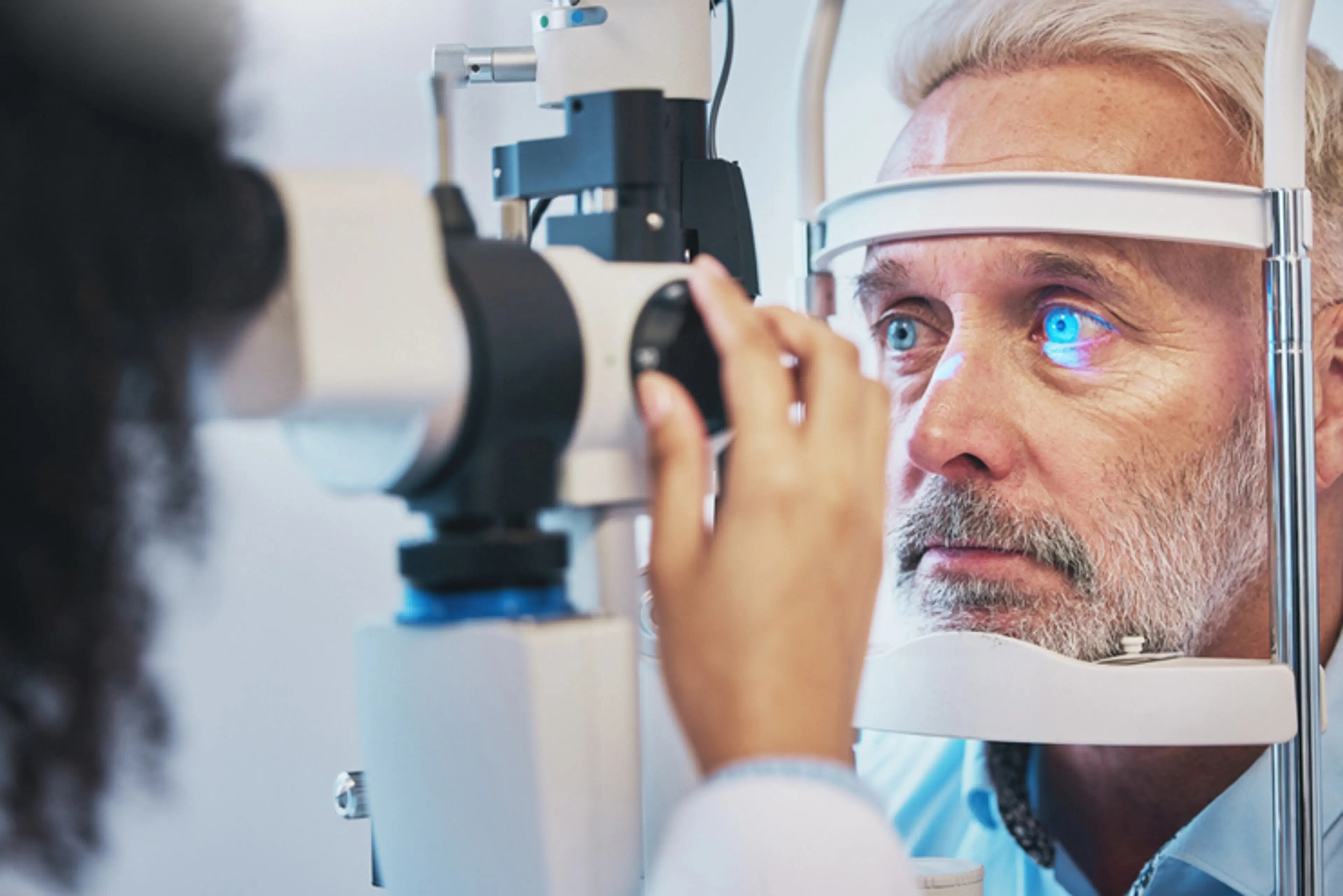
How Often Should You See an Eye Doctor If You Have Glaucoma?
how-often-should-you-see-an-eye-doctor-if-you-have-glaucomaGlaucoma is often called the “silent thief of sight” for a reason—it can cause irreversible vision loss long before you notice any symptoms. For individuals diagnosed with glaucoma or those at risk, regular eye exams are not optional—they are essential. But how often is “regular”? The answer depends on several factors, including the type and severity of your glaucoma, your age, risk profile, and treatment history.
In this comprehensive guide, we explore how often you should visit your eye doctor if you have glaucoma, what to expect during those appointments, and why consistency is key to preserving your vision.
Understanding Glaucoma: A Silent Yet Serious Condition
understanding-glaucoma:-a-silent-yet-serious-conditionGlaucoma is not a single disease but rather a group of eye conditions that result in optic nerve damage, typically caused by increased intraocular pressure (IOP). Over time, this pressure damages the optic nerve, which transmits visual information from your eyes to your brain. Without treatment, this damage leads to permanent vision loss and even blindness.
There are several types of glaucoma:
Primary open-angle glaucoma: The most common type, it progresses slowly and often without symptoms.
Angle-closure glaucoma: A rarer form, this condition causes a sudden rise in eye pressure and requires emergency treatment.
Normal-tension glaucoma: Damage to the optic nerve occurs despite normal eye pressure.
Secondary glaucoma: Develops as a result of another condition, such as eye injury, inflammation, or use of steroid medications.
Congenital glaucoma: A rare form present at birth.
Each type of glaucoma requires a different level of surveillance and treatment, but all benefit from consistent follow-up care.
Why Regular Monitoring Matters
why-regular-monitoring-mattersUnlike many other conditions, glaucoma causes irreversible vision loss. However, early diagnosis and ongoing management can slow or even halt progression in most patients.
Ongoing monitoring allows eye doctors to:
Track changes in intraocular pressure (IOP)
Detect optic nerve damage or changes in the retina
Adjust medications or recommend surgical interventions
Evaluate visual field changes
Monitor treatment side effects
Without regular exams, a stable condition can become aggressive without warning.
How Often Should You See Your Eye Doctor?
how-often-should-you-see-your-eye-doctor
The frequency of glaucoma monitoring is tailored to your individual risk profile and disease severity. Here’s a breakdown based on typical clinical guidelines:
1. Diagnosed Glaucoma Patients
1.-diagnosed-glaucoma-patientsIf you’ve already been diagnosed with glaucoma, your doctor will determine a personalized schedule, often falling into these categories:
Condition | Recommended Exam Frequency |
|---|
Stable, early-stage glaucoma | Every 4 to 6 months |
Moderate glaucoma | Every 3 to 4 months |
Advanced glaucoma or rapid progression | Every 1 to 3 months |
Post-surgical follow-up | Weekly to monthly initially |
The goal is to detect any worsening before symptoms appear and adjust treatment accordingly.
2. High-Risk Individuals (No Diagnosis Yet)
2.-high-risk-individuals-(no-diagnosis-yet)People without glaucoma but who have risk factors should undergo comprehensive eye exams at regular intervals:
Risk Factor Group | Recommended Exam Frequency |
|---|
Age 40–60 | Every 2 to 4 years |
Age 60+ | Every 1 to 2 years |
Family history of glaucoma | Every 1 to 2 years |
African, Asian, or Hispanic ancestry | Every 1 to 2 years |
Diabetes, high blood pressure, or myopia | Annually |
Your ophthalmologist may recommend more frequent exams if signs of optic nerve damage or elevated eye pressure are detected.
What Happens During a Glaucoma Eye Exam?
what-happens-during-a-glaucoma-eye-examA comprehensive glaucoma evaluation involves multiple tests designed to monitor eye health and detect progression. These may include:
● Tonometry
tonometryMeasures the intraocular pressure. Elevated pressure is a key risk factor for glaucoma but not the sole determinant.
● Ophthalmoscopy
ophthalmoscopyYour doctor examines the optic nerve for signs of damage using magnified instruments.
● Perimetry (Visual Field Test)
perimetry-(visual-field-test)Maps out your peripheral (side) vision. Glaucoma often affects peripheral vision first.
● Optical Coherence Tomography (OCT)
optical-coherence-tomography-(oct)A high-resolution imaging test that captures detailed images of the optic nerve and retina. This helps track thinning of nerve fibers.
● Gonioscopy
gonioscopyExamines the drainage angle inside the eye to determine the type of glaucoma.
● Pachymetry
pachymetryMeasures the thickness of your cornea, which can affect IOP readings.
Each of these tools provides a piece of the puzzle, and comparing results over time helps detect even subtle changes.
Case Study: Why Monitoring Matters
case-study:-why-monitoring-mattersMrs. Lee, a 58-year-old woman with early-stage open-angle glaucoma, was initially placed on prostaglandin eye drops. Her IOP stabilized, and she was scheduled for visits every six months. However, after missing a follow-up, her next visit showed an IOP spike and visual field deterioration.
With timely adjustments—adding a second eye drop and increasing visit frequency to every 3 months—her condition stabilized. This case underscores how consistency in follow-up care can make a critical difference in preserving sight.
Can Treatment Change Your Exam Frequency?
can-treatment-change-your-exam-frequency
Yes. When treatment is successful and the disease is stable, your eye doctor may gradually extend the interval between visits. However, if your IOP rises or imaging shows optic nerve damage, your visits may become more frequent, and surgical intervention may be considered.
Some common glaucoma treatments include:
Eye drops: First-line therapy to reduce eye pressure
Laser therapy (e.g., SLT): Enhances drainage to lower IOP
Surgical procedures: Trabeculectomy, glaucoma drainage implants, or minimally invasive glaucoma surgeries (MIGS)
Post-treatment monitoring is essential to ensure pressure remains controlled.
What Happens If You Miss Appointments?
what-happens-if-you-miss-appointmentsMissing or delaying follow-up appointments can have serious consequences:
If you're forgetful or overwhelmed, consider setting digital reminders, enlisting help from a family member, or asking your clinic for follow-up calls.
Glaucoma in Korea: Why Choose SNU Eye Clinic?
glaucoma-in-korea:-why-choose-snu-eye-clinicFor patients seeking expert glaucoma care in Korea, SNU Eye Clinic in Gangnam, Seoul, stands out as a leading provider of advanced ophthalmic services. Here’s why:
🏥 Reputation and Results
reputation-and-resultsWith over
50,000 successful procedures,
SNU Eye Clinic is recognized for exceptional outcomes in glaucoma and refractive surgeries.
👨⚕️ Medical Leadership
medical-leadershipLed by
Dr. Chung Eui Sang, a former professor at Harvard Medical School and Seoul National University College of Medicine, the clinic offers internationally recognized expertise.
🔬 Advanced Diagnostics
advanced-diagnosticsState-of-the-art equipment, including Optical Coherence Tomography (OCT) and Visual Field Analyzers, ensures precise tracking of disease progression.
💼 Personalized Treatment Plans
personalized-treatment-plansEach glaucoma patient receives an individualized plan based on lifestyle, disease severity, and response to therapy.
🌎 International Patient Support
international-patient-supportSNU Eye Clinic welcomes patients from around the world, offering multilingual support and medical tourism assistance.
Whether you’re newly diagnosed or need second-opinion care, SNU Eye Clinic is a top-tier choice for glaucoma management in Asia.
FAQs About Glaucoma Eye Exam Frequency
faqs-about-glaucoma-eye-exam-frequency1. How do I know if I need more frequent visits?
1.-how-do-i-know-if-i-need-more-frequent-visitsIf your IOP fluctuates, your optic nerve is thinning, or you’re experiencing side effects from treatment, your doctor will likely increase visit frequency.
2. Is glaucoma always linked to high eye pressure?
2.-is-glaucoma-always-linked-to-high-eye-pressureNo. In normal-tension glaucoma, optic nerve damage occurs even when IOP is within the normal range. Monitoring is still vital.
3. Are home tonometers useful?
3.-are-home-tonometers-usefulWhile not a substitute for in-clinic testing, home IOP monitors may help certain patients track pressure between visits, especially those with unstable IOP.
4. What if I feel fine—can I delay my next visit?
4.-what-if-i-feel-finecan-i-delay-my-next-visitGlaucoma is often asymptomatic. Feeling “fine” doesn’t mean your condition is stable. Regular monitoring is crucial.
5. Can lifestyle changes reduce the need for frequent checkups?
5.-can-lifestyle-changes-reduce-the-need-for-frequent-checkupsHealthy habits like exercise, managing blood pressure, and medication adherence can help stabilize glaucoma—but they do not replace medical follow-ups.
Final Thoughts: Protect Your Sight with Regular Care
final-thoughts:-protect-your-sight-with-regular-careIf you have glaucoma, staying consistent with your eye doctor appointments is your best defense against vision loss. Whether you visit every three months or once a year, each check-up plays a vital role in monitoring the health of your eyes and adjusting treatment as needed.
Don’t wait for symptoms—schedule your exam today. For the most advanced glaucoma care in South Korea, consider booking a consultation at SNU Eye Clinic, where expert care and cutting-edge technology converge to protect your vision.