Introduction

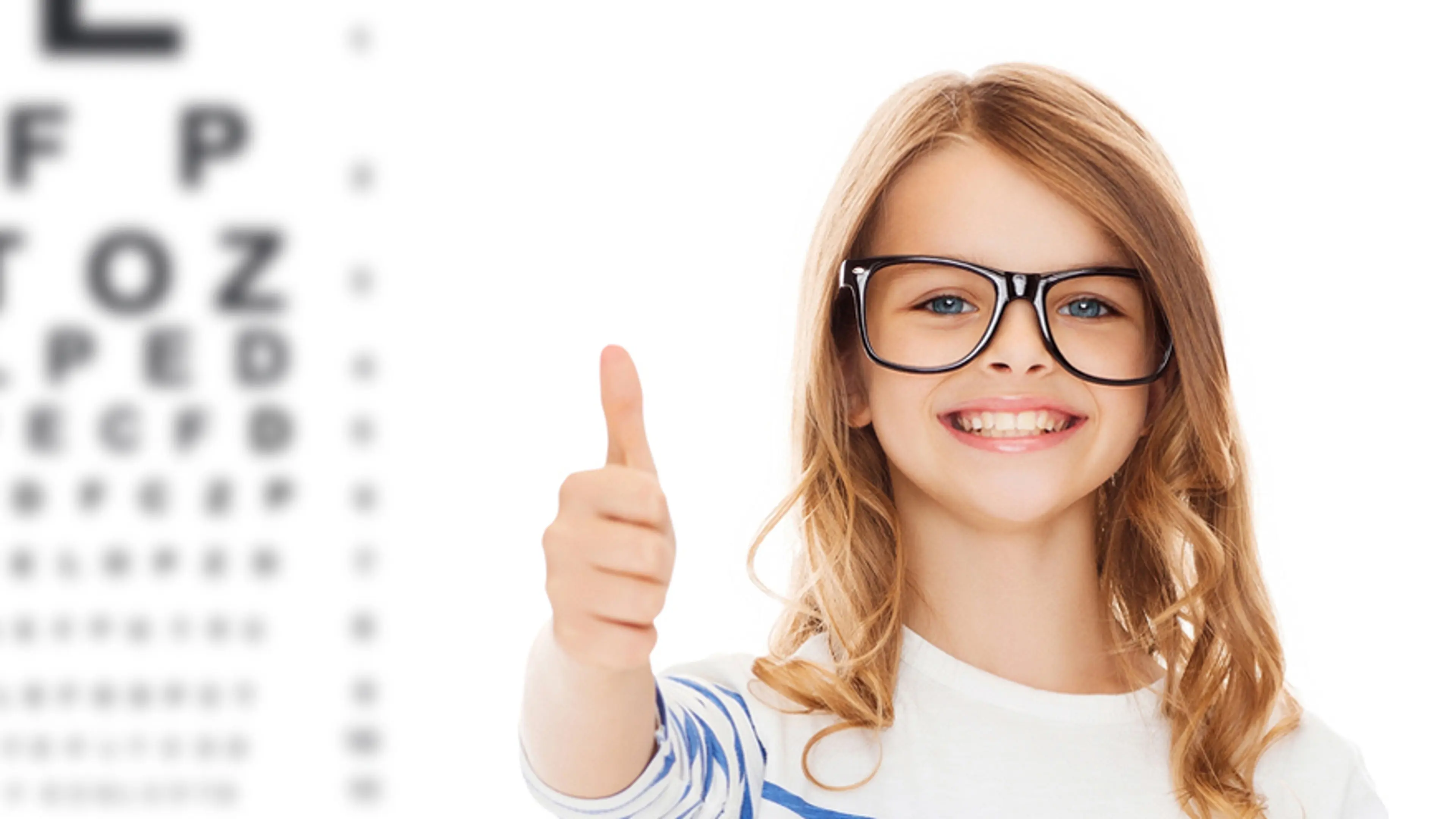
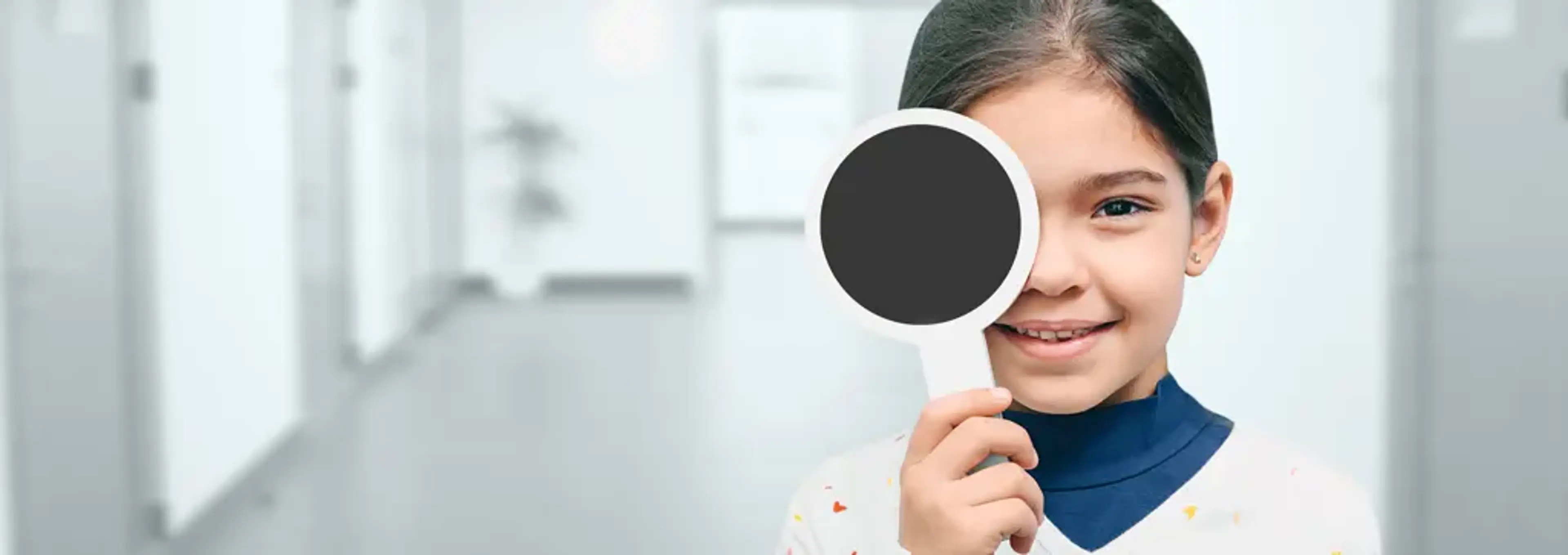
As parents, we’re always looking for ways to ensure our children grow up healthy and happy. Vision is a critical aspect of your child's development, affecting everything from learning at school to physical activities. Many parents assume eye exams are only necessary if something goes wrong with their child's vision. However, regular checkups are essential in identifying problems before they become noticeable. This guide will answer the key question—how often should kids have their eyes checked?—and explain why these exams are so important for your child’s health and future success.

Why Regular Eye Exams Matter

Did you know that undiagnosed vision issues can impact your child’s academic performance and even their social interactions? Vision problems like myopia (nearsightedness), hyperopia (farsightedness), and amblyopia (lazy eye) often go unnoticed, but early detection can help ensure effective treatment. In fact, studies from trusted organizations like the American Optometric Association (AOA) reveal that around 25% of school-aged children have unrecognized vision issues, making regular eye exams even more crucial.

When vision problems go untreated, children might struggle with reading or schoolwork, which can lead to frustration, low self-esteem, and difficulty in motor development. Identifying these issues early gives children the best chance for success and reduces the risk of long-term problems.

When Should My Child Have Their First Eye Exam?

Many parents wonder when their child should have their first eye exam. The American Optometric Association recommends a first eye exam at 6 months of age, even if no vision problems are suspected. This is a basic screening to catch any early signs of issues, ensuring their eyes are developing as they should.

After that, the next eye exam should take place around 3 years of age, when your child can cooperate more during the exam. This checkup is crucial for identifying conditions like amblyopia (lazy eye) or strabismus (crossed eyes), which are easier to treat if detected early.

Before your child enters kindergarten, around 5 or 6 years old, they should have another comprehensive exam to evaluate visual acuity and eye coordination—skills they will need for learning tasks like reading and writing.

Age-by-Age Guide to Eye Exams

To help you stay on track, here’s a breakdown of when and what to expect from eye exams at each stage of your child’s development:

  • Infants (6 months): The first eye exam at this stage focuses on detecting any congenital issues like cataracts or retinal abnormalities. A pediatrician will check for a response to light and movement, which is crucial for early intervention.
  • Toddlers (3 years): By age 3, children are able to participate in a more thorough eye exam. The focus will be on identifying conditions such as amblyopia, strabismus, or refractive errors like myopia or hyperopia.
  • School-Aged Children (5-10 years): Eye exams at this age assess refractive errors, depth perception, and eye alignment—critical skills for learning. School vision screenings may detect some issues, but a full eye exam is essential to ensure your child’s eyes are functioning properly.
  • Teens (11+ years): Teenagers undergo further changes in their vision as they reach puberty. Regular exams are necessary to monitor any progression of conditions like myopia and to address digital eye strain due to heavy screen use.

How Often Should Kids Have Eye Exams?

The frequency of eye exams for kids depends on their age and health history. Here’s a helpful guideline:

  • Infants and Toddlers (up to age 5):
    • First exam: 6 months
    • Follow-up: Age 3
    • Next exam: Before kindergarten (5 or 6 years old)
  • School-Aged Children (6-12 years):
    • If no vision problems or family history, every 2 years
    • If symptoms or concerns arise, schedule an exam sooner

  • Teens (13-18 years):
    • Annual exams for those wearing glasses or contacts

    • Every 1-2 years for those without vision issues

Additional factors like a family history of eye diseases, or changes in vision (squinting, difficulty seeing), may require more frequent exams.

Signs Your Child Might Need an Eye Exam

While routine eye exams are vital, certain signs may indicate your child needs an exam sooner:

  • Squinting or tilting their head to see better

  • Complaints of blurred vision, especially when reading or watching TV

  • Rubbing their eyes or excessive tearing

  • Sitting too close to the TV or holding books too close

  • Difficulty reading or seeing the board in class

  • Frequent headaches or eye strain after screen time

It’s important to note that children often don’t express discomfort, so being observant of changes in their habits is key.

Common Eye Problems in Children

Children can face various eye conditions, and identifying them early can make treatment easier. Some common problems include:

  • Myopia (Nearsightedness): Difficulty seeing distant objects clearly. Myopia is common in children and often worsens with age.
  • Hyperopia (Farsightedness): Difficulty seeing close objects clearly. Although mild hyperopia is common in young children, it should be monitored for potential issues.
  • Astigmatism: Blurry or distorted vision caused by an irregularly shaped cornea. If untreated, it can cause headaches and difficulty focusing.
  • Amblyopia (Lazy Eye): One eye is weaker than the other, and if left untreated, it can cause permanent vision problems. Early treatment can improve the weaker eye’s vision.
  • Strabismus (Crossed Eyes): Misalignment of the eyes that may lead to double vision. This condition can often be corrected with glasses, vision therapy, or surgery.
  • Color Blindness: Difficulty distinguishing certain colors. While this condition can’t be cured, early awareness helps in managing it.

Prompt diagnosis of these conditions can ensure effective treatment and prevent long-term consequences.

The Role of Preventive Eye Care

Preventing vision problems is easier than treating them later. Here’s how to promote healthy eyes for your child:

  • Routine Eye Exams: Ensure exams are scheduled at key milestones to catch problems early.
  • School Screenings: While useful, these screenings aren’t as thorough as a comprehensive exam. Always follow up if you have concerns.
  • Protecting from Digital Eye Strain: Encourage the 20-20-20 rule to prevent strain from excessive screen time. (Every 20 minutes, take a 20-second break, and look at something 20 feet away.)
  • UV Protection: Sunglasses with UV protection help prevent damage from the sun’s rays.
  • Healthy Diet: A diet rich in vitamins A, C, E, and omega-3s supports eye health. Limit screen time and encourage outdoor play.

Making Eye Exams Comfortable for Your Child

A trip to the eye doctor doesn’t have to be stressful. Here’s how to make the experience easier for your child:

  • Prepare them in advance: Use books or videos to explain what will happen during the exam.
  • Stay calm and positive: Your confidence will help reassure your child.
  • Choose a pediatric eye doctor: Pediatric optometrists specialize in making exams fun and engaging for kids.
  • Bring comfort items: A favorite toy or blanket can help your child feel secure during the appointment.

Why Choose SNU Eye Clinic?

When it comes to pediatric eye care, SNU Eye Clinic in Seoul stands out for its commitment to providing the highest level of care for children of all ages. Here’s why:

  • Expert Care: Our team of experienced pediatric optometrists and ophthalmologists specializes in working with children, ensuring your child feels comfortable and well-cared for during their visit.
  • State-of-the-Art Technology: We use the latest diagnostic equipment to provide the most accurate and efficient eye exams, ensuring your child’s vision is thoroughly checked.
  • Child-Friendly Environment: From our welcoming clinic atmosphere to our engaging, child-centered approach, we ensure that every visit is stress-free and enjoyable for both children and parents.
  • Comprehensive Services: Whether it’s a routine eye exam, treatment for vision problems like nearsightedness or amblyopia, or specialized pediatric care, we offer a full range of services tailored to your child’s needs.
  • Trusted by Parents: With years of experience and a track record of satisfied families, SNU Eye Clinic is a trusted partner in your child’s eye health journey.

Schedule an appointment today and give your child the gift of healthy vision with SNU Eye Clinic.

Conclusion: Schedule Your Child’s Eye Exam Today!

Regular eye exams are a vital part of ensuring your child’s health, learning, and development. Catching vision problems early can prevent difficulties in school and improve your child’s quality of life. Don't wait for a problem to become noticeable—schedule your child’s eye exam today. Taking proactive steps now can ensure a bright and healthy future for your child.