How Long Do ICL Lenses Last? A Lifetime Vision Solution?
how-long-do-icl-lenses-last-a-lifetime-vision-solutionOne of the first—and smartest—questions patients ask during an ICL consultation is this:
“If I put a lens inside my eye, how long does it actually last?”
Some are hoping for reassurance. Others are quietly wondering if ICL is too good to be true. And many are thinking long-term:
Will I need another surgery in 10 years?
What happens when I’m older?
Is this really a lifetime solution—or just temporary?
At SNU Eye Clinic in Gangnam, where we’ve performed thousands of ICL procedures (including complex high-myopia cases), we approach this question with complete transparency. The answer isn’t a simple yes or no—but it is reassuring when properly understood.
Let’s walk through it carefully, from materials and biology to real-world patient outcomes over decades.
The Short Answer (Up Front)
the-short-answer-(up-front)ICL lenses are designed to last for decades—and often for life.
They do not degrade, do not wear out, and do not expire inside the eye.
However—and this matters—the human eye continues to age. So while the lens itself can last a lifetime, whether you keep it forever depends on natural changes like presbyopia or cataracts, not on the ICL failing.
Think of ICL as a long-term vision platform, not a disposable fix.
What Exactly Is an ICL Lens Made Of?
what-exactly-is-an-icl-lens-made-of
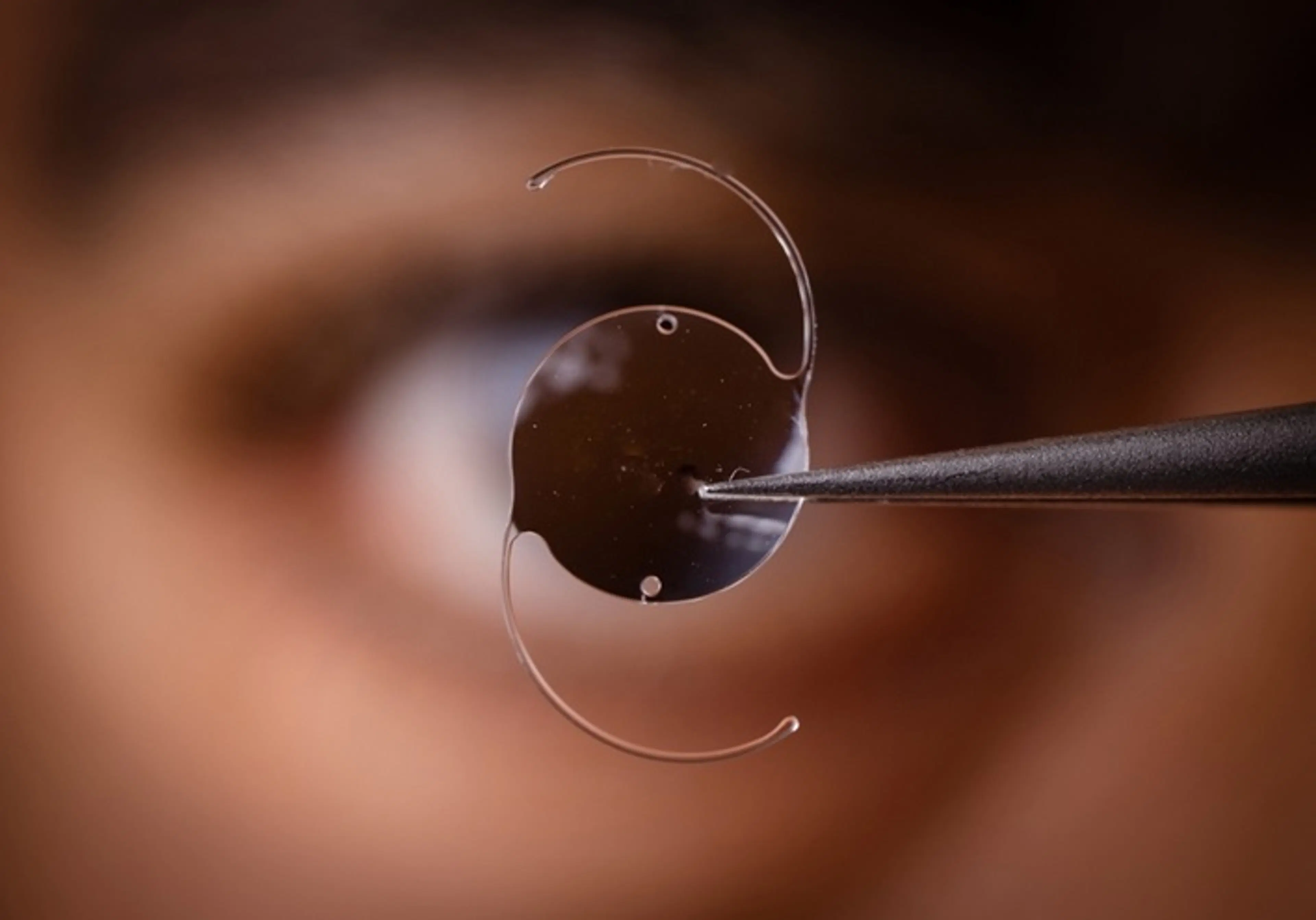
ICL stands for Implantable Collamer Lens.
Collamer™ Material Explained
collamertm-material-explainedCollamer is a proprietary material that combines:
Why this matters:
It is biocompatible (doesn’t trigger rejection)
It is chemically stable (does not break down over time)
It resists protein deposits and inflammation
It blocks harmful UV light naturally
In plain terms:
The material itself does not age the way contact lenses or artificial joints do.
We routinely tell patients:
“The lens won’t wear out before you do.”
Does the ICL Degrade or Need Replacement?
does-the-icl-degrade-or-need-replacementThis is one of the biggest misconceptions.
No.
ICL lenses do not:
There is no scheduled replacement cycle.
If your eye stayed biologically the same forever, the ICL could stay forever too.
Then Why Do People Say “ICL Isn’t for Life”?
then-why-do-people-say-"icl-isn't-for-life"Because the eye changes—even when the lens doesn’t.
There are two major age-related milestones that affect everyone, with or without ICL:
Presbyopia (loss of near focusing ability, usually 40s)
Cataracts (clouding of the natural lens, usually 60s+)
Let’s look at how ICL interacts with each.
ICL and Presbyopia: The First Turning Point
icl-and-presbyopia:-the-first-turning-pointPresbyopia happens when the natural crystalline lens stiffens with age.
Important distinction:
So yes—most ICL patients will still experience presbyopia eventually.
But here’s the nuance most people miss.
What ICL Changes About the Presbyopia Experience
what-icl-changes-about-the-presbyopia-experiencePatients who had ICL in their 20s or 30s often report:
Presbyopia symptoms appearing later or more gradually
Continued excellent distance vision
Needing reading glasses only for specific tasks
Many tell us:
“I use reading glasses when I want to—not because I have to.”
This is very different from patients who never corrected high myopia and suddenly lose their “near advantage” in their 40s.
ICL and Cataracts: The Second Turning Point
icl-and-cataracts:-the-second-turning-pointCataracts are a normal part of aging, not a complication of ICL.
When cataracts eventually develop:
What Happens to the ICL Then?
what-happens-to-the-icl-thenThe ICL is simply removed at the same time.
This is:
Straightforward
Safe
Commonly done
In fact, having had ICL often makes cataract surgery planning easier, because:
Corneal shape is preserved
Pre-surgery measurements are more accurate
Premium lens options remain open
At SNU Eye Clinic, we consider ICL a bridge that gives patients 20–40 years of excellent vision before cataract surgery becomes relevant.
Is ICL Removal Safe After Many Years?
is-icl-removal-safe-after-many-yearsYes. Very safe—when done by experienced surgeons.
ICL is:
Not fused to eye tissue
Not embedded permanently
Designed to be removable
Even after 20+ years, removal does not damage the eye when performed properly.
This reversibility is one of ICL’s greatest strengths—and a major reason Dr. Chung often recommends it for younger high-myopia patients.
“Any surgery done on a healthy eye should respect the future,”
—Dr. Chung Eui Sang
Real-World Longevity: What Long-Term Data Shows
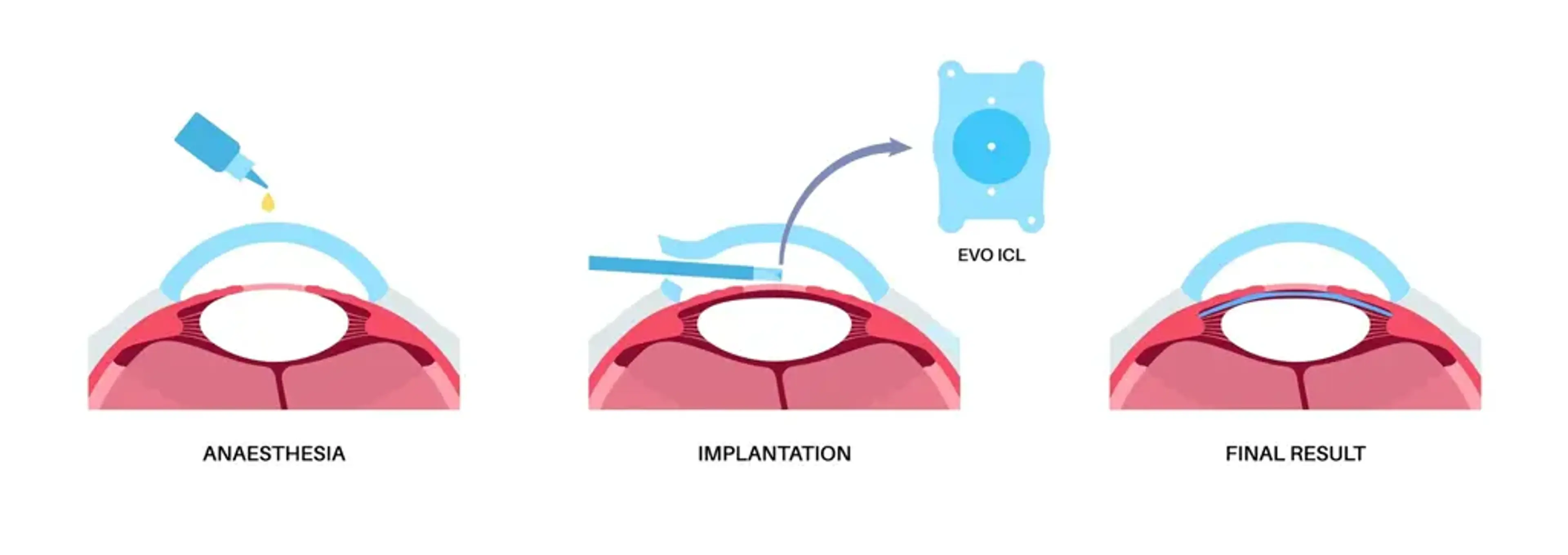
real-world-longevity:-what-long-term-data-showsModern ICL technology (especially EVO ICL with central port design) has been used globally for decades.
Long-term follow-up studies and clinical experience show:
Stable vision over 10–20+ years
Extremely low rates of late complications
High patient satisfaction even decades later
At SNU Eye Clinic, many of our earliest ICL patients now:
When adjustments are needed, they are due to normal aging, not lens failure.
Older vs Newer ICL: Why Technology Matters
older-vs-newer-icl:-why-technology-mattersNot all ICLs are the same.
Modern EVO ICL Advantages
modern-evo-icl-advantagesCentral port allows natural fluid circulation
Reduced risk of cataract formation
No need for preoperative iridotomy
Better long-term vault stability
This is critical for longevity.
At SNU Eye Clinic, we only use current-generation EVO ICL, combined with advanced vault prediction and anterior chamber analysis.
Longevity is not just about the lens—it’s about how precisely it’s chosen and implanted.
Is ICL a “Lifetime Vision Solution”?
is-icl-a-"lifetime-vision-solution"Here’s the most honest answer you’ll hear.
The Lens: Yes, Potentially for Life
the-lens:-yes-potentially-for-lifeYour Vision Needs: Will Evolve
your-vision-needs:-will-evolveICL can give you:
Decades of stable, high-quality vision
Freedom from glasses and contacts during your most active years
Maximum flexibility for future eye care
But no medical procedure can promise:
What ICL does promise is control, safety, and options.
Who Benefits Most From ICL Longevity?
who-benefits-most-from-icl-longevity
ICL is especially powerful for patients who:
Are in their 20s–40s
Have moderate to high myopia
Have thin or sensitive corneas
Want a reversible, future-proof solution
Think long-term, not just short-term convenience
This is why so many engineers, surgeons, athletes, and international patients choose ICL at SNU Eye Clinic.
A Surgeon’s Perspective: Longevity Is About Planning, Not Promises
a-surgeon's-perspective:-longevity-is-about-planning-not-promisesIn Gangnam’s highly competitive medical district, outcomes speak louder than marketing.
Dr. Chung Eui Sang—trained at Seoul National University, Samsung Seoul Hospital, and Harvard Medical School—has overseen tens of thousands of refractive procedures.
His philosophy on ICL longevity is simple:
“A good surgery gives good vision.
A great surgery gives good options for the rest of your life.”
ICL, when properly indicated and precisely implanted, does exactly that.
Final Takeaway
final-takeawaySo, how long do ICL lenses last?
The lens itself: Decades—often a lifetime
Your excellent vision: Typically many decades
Need for change: Driven by natural aging, not lens failure
If you’re looking for a vision correction option that respects your future as much as your present, ICL remains one of the most durable, flexible solutions available today.
If you’re considering ICL and want an honest, long-term perspective—not sales promises—a consultation at a precision-focused clinic like SNU Eye Clinic in Gangnam can help you decide with confidence.
Your eyes will change with time.
The right decision is choosing a solution that changes with you, not against you.