Home / Articles
Cataract Surgery Before 60: When Is It Necessary?
Home / Articles
Cataract Surgery Before 60: When Is It Necessary?
For many people, cataract surgery feels like something reserved for their parents or grandparents. So when someone in their 40s or 50s is told they may need cataract surgery, the reaction is often disbelief—or fear.
“Am I too young for cataract surgery?”
“Is this really a cataract, or just eye fatigue?”
“If I wait, will I damage my eyes?”
“Is surgery being recommended too early?”
This article explains that distinction clearly, without exaggeration or sales pressure.
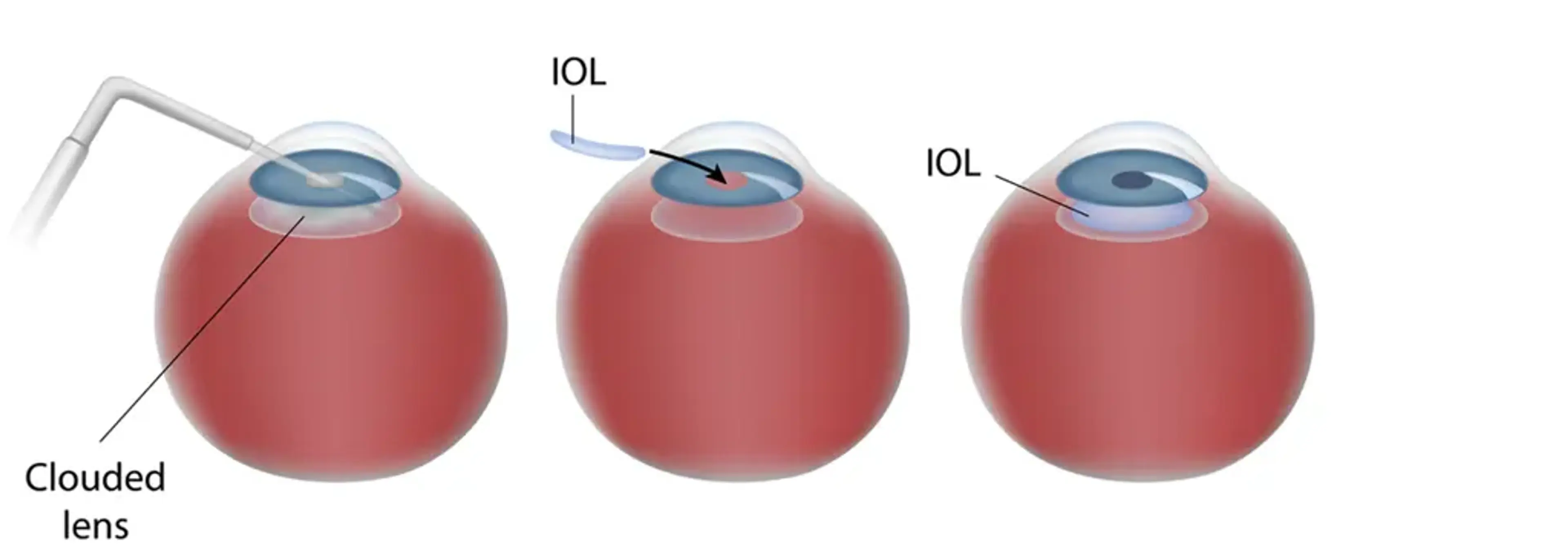
Over time, the lens:
Becomes cloudy
Loses transparency
Scatters light instead of focusing it
This results in symptoms such as:
Blurry or foggy vision
Glare and halos (especially at night)
Reduced contrast
Colors appearing dull or yellowed
Frequent changes in glasses prescription
This is because:
Lens aging accelerates later in life
Visual impairment becomes functionally limiting
The lens has already lost accommodation (focusing ability)
Is the cataract significantly interfering with your vision or eye health?
There are several clear situations where cataract surgery before 60 is not only reasonable, but recommended.
Some people develop cataracts earlier due to:
Genetics
High myopia
Diabetes
Steroid use
Eye trauma
Prior eye surgery
If a cataract causes:
Difficulty driving (especially at night)
Inability to work accurately
Reduced safety or independence
Significant glare that cannot be corrected with glasses
At SNU Eye Clinic, we emphasize function over age:
“If your vision no longer supports your life safely, waiting has no benefit.”
Not all cataracts progress slowly.
Certain types—such as posterior subcapsular cataracts—can:
Progress quickly
Cause disproportionate glare and blur
Affect near and intermediate vision early
These are more common in:
Younger patients
Steroid users
Patients with systemic conditions
Cataract surgery may be necessary earlier if the cataract:
Prevents adequate retinal examination
Interferes with treatment of glaucoma or retinal disease
Limits accurate measurement for other necessary eye procedures
For example:
A patient needing retinal laser treatment
A glaucoma patient requiring clear visualization
A high myope needing precise monitoring
Some patients under 60 develop cataracts in one eye earlier than the other.
This can cause:
Significant prescription imbalance
Dizziness or headaches
Poor binocular vision
Inability to tolerate glasses or contact lenses
Examples:
Patients with very high refractive error
Patients unable to tolerate contact lenses
Patients unsuitable for corneal surgery
Even then, the decision must weigh:
Loss of natural accommodation
Long-term retinal risk
Optical side effects of artificial lenses
Equally important is recognizing when surgery is being considered too early.
Many people in their 40s and 50s are told:
“You have early cataracts”
Early lens changes often:
Do not significantly affect daily vision
Can be monitored safely for years
Do not require intervention
A very common scenario:
Near vision worsens
Reading glasses are needed
Cataracts are blamed
If distance vision remains clear and glare is minimal, surgery is rarely appropriate.
Using cataract surgery to “solve” presbyopia in younger patients often leads to regret.
If surgery is recommended mainly to:
Eliminate glasses
Avoid reading glasses
Replace refractive surgery
…then a second opinion is strongly advised.
Convenience alone is not a sufficient reason to remove a healthy lens under 60.
Removing the natural lens early has permanent consequences:
Complete loss of accommodation
Dependence on artificial lens optics
Increased retinal detachment risk (especially in myopia)
Potential glare or contrast issues with premium lenses
No ability to “go back”
Dr. Chung Eui Sang often explains it this way:
“The natural lens is not just something to replace.
It is something to respect—especially when it still functions.”
When evaluating patients under 60, we focus on:
Some are advised to monitor cataracts for years without issue
A smaller group truly benefits from early intervention—and are relieved once vision is restored
Cataract surgery before 60 is:
If you are under 60 and have been told you may need cataract surgery, the most important next step is not rushing into surgery—but seeking a careful, experience-based evaluation.