Why Swimming Too Soon Can Be Risky?
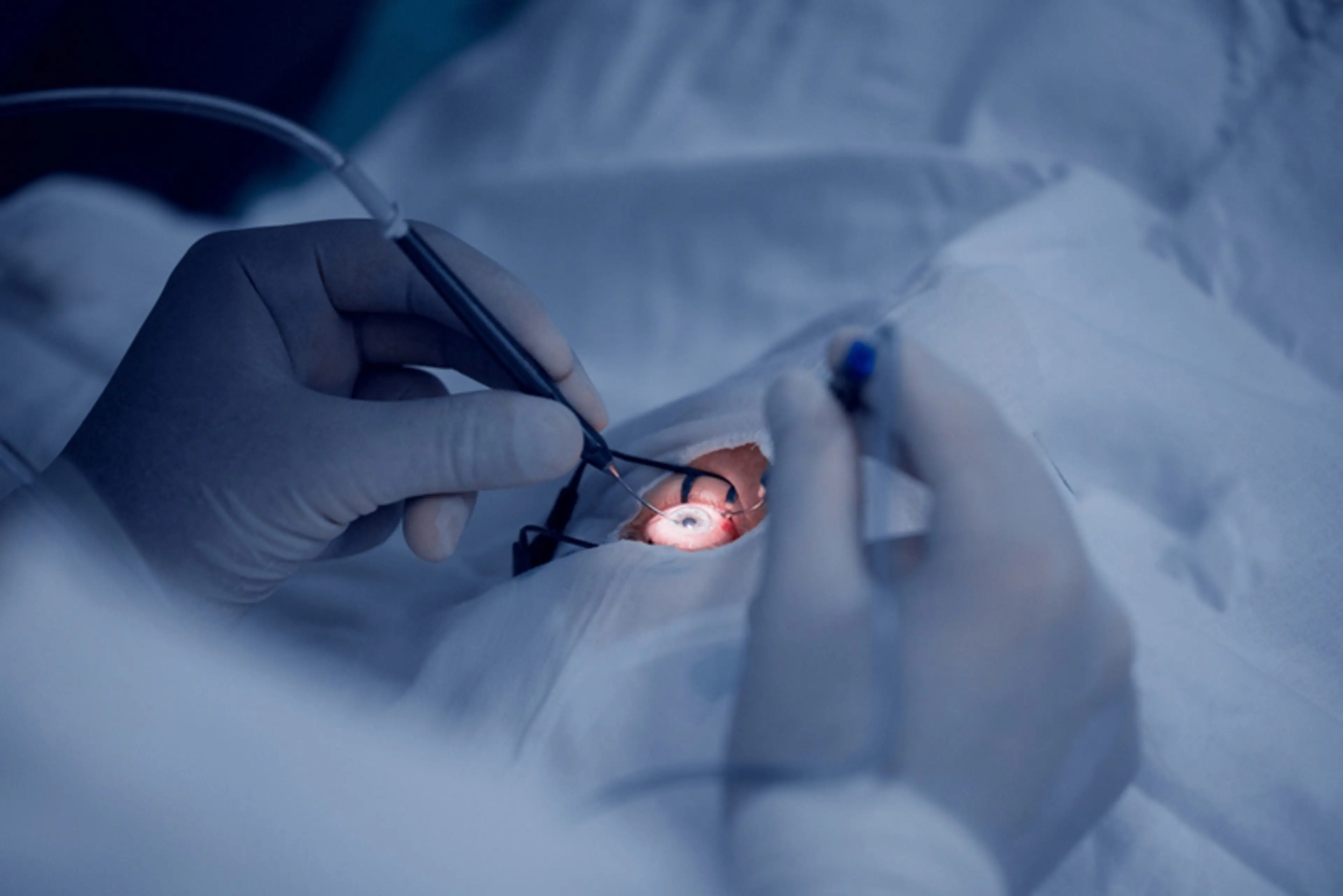
why-swimming-too-soon-can-be-riskyLaser eye surgery — whether SMILE, LASIK, or PRK — reshapes the cornea to correct vision. After surgery, the eye’s natural barrier (the epithelium or corneal flap) needs time to heal and re-seal completely.
During this period, your eyes are more vulnerable to:
Infection – Pool water contains chlorine and microorganisms that can irritate or infect the eye.
Inflammation – Seawater and even freshwater lakes may contain bacteria, algae, or salt particles that inflame the cornea.
Dryness or discomfort – Exposure to chemicals or salt can intensify postoperative dryness or blur.
Mechanical irritation – Opening eyes underwater or rubbing them after swimming can disturb the healing surface.
Even if your vision feels normal after a few days, your ocular surface is still sensitive — which is why ophthalmologists emphasize patience.
Typical Swimming Timeline After Laser Eye Surgery
typical-swimming-timeline-after-laser-eye-surgeryThe exact timeline depends on the type of laser surgery and how your eyes heal individually, but here’s a general guide used by surgeons at SNU Eye Clinic:
Procedure | When You Can Swim Again | Extra Precautions |
|---|
SMILE / SMILE PRO | ~2–3 weeks after surgery | Avoid submerging eyes; use goggles for first month |
LASIK | ~3–4 weeks after surgery | Ensure flap stability before open-water swimming |
PRK / LASEK | ~4–6 weeks after surgery | Surface healing takes longer; avoid saltwater early |
ICL (Lens Implant Surgery) | ~2–3 weeks after surgery | Avoid rubbing or water entry into the eyes |
These timelines assume an uncomplicated recovery. Always confirm your specific case with your surgeon during postoperative checkups.
Why SMILE Patients Often Recover Faster?
why-smile-patients-often-recover-fasterAt SNU Eye Clinic, we perform a high number of SMILE PRO surgeries, a next-generation evolution of laser vision correction. Unlike LASIK, which creates a flap, SMILE uses a keyhole incision just 2 mm wide — small enough to minimize disruption to the cornea’s surface layer.
Because of this:
The cornea retains more structural integrity.
The risk of flap-related irritation is eliminated.
The healing period is faster and more comfortable.
In practice, many SMILE patients can resume gentle daily activities — including makeup, exercise, or light showers — within days, though we still recommend waiting at least 2–3 weeks before swimming to reduce infection risk.
What About Chlorine, Saltwater, and Hot Springs?
what-about-chlorine-saltwater-and-hot-springs
Each type of water poses different risks:
Swimming Pools
swimming-poolsChlorine is a disinfectant — but it can strip away the natural tear film that protects your cornea. Early exposure can lead to stinging, dryness, or irritation.
If you must be near a pool (e.g., supervising children), wear sunglasses and avoid splashes for the first couple of weeks.
Seawater
seawaterSaltwater is full of microscopic life — bacteria, sand particles, plankton, and high salt content — all of which can irritate healing tissue.
It’s best to avoid the sea for at least one month, even if your eyes feel normal.
Hot Springs or Saunas
hot-springs-or-saunasWarm, humid environments can accelerate bacterial growth and delay recovery.
Avoid saunas, spas, and hot springs for three to four weeks after surgery.
Protective Steps Before Returning to the Water
protective-steps-before-returning-to-the-waterOnce your surgeon confirms it’s safe, here’s how to protect your results:
Use watertight swimming goggles – Preferably with a soft silicone seal to prevent leaks.
Avoid opening your eyes underwater – Even with goggles, minimize direct contact.
Rinse eyes with sterile saline after swimming – Never tap water.
Apply artificial tears – Lubricating drops can prevent post-swim dryness.
Monitor for redness or discomfort – If symptoms persist for more than 24 hours, contact your doctor.
At
SNU Eye Clinic, we often provide
personalized postoperative care kits, including sterile drops and protective eyewear recommendations, tailored to each patient’s recovery plan.
Real-World Example: Returning to Sports After SMILE
real-world-example:-returning-to-sports-after-smileOne of our recent patients, a 29-year-old flight attendant, underwent
SMILE PRO surgery to correct -5.00 diopters of myopia. She was eager to resume swimming and snorkeling on an upcoming vacation.
With careful monitoring using VisuMax 800 femtosecond laser diagnostics, her corneal healing was ahead of schedule.
After three weeks, we approved light swimming — but with strict use of goggles and avoidance of seawater.
Her vision remained 20/20 six months later, with no signs of dryness or regression.
This kind of outcome is typical when patients combine precision surgery with disciplined aftercare.
Why Post-Surgery Hygiene Matters More Than You Think?
why-post-surgery-hygiene-matters-more-than-you-thinkThe cornea may appear transparent and healed on the surface, but microscopic healing continues for weeks. Even a small infection can compromise results — potentially requiring additional treatment.
Common mistakes patients make include:
Rinsing eyes with tap water after swimming
Using communal towels at gyms or spas
Wearing contact lenses temporarily (which can trap bacteria)
At SNU Eye Clinic, we educate every patient on “The Three Golden Rules” post-laser surgery:
No water in the eyes for the first week
No eye rubbing or makeup for 2–3 weeks
No swimming for 2–4 weeks, depending on procedure type
Following these simple steps can preserve years of clear, stable vision.
How SNU Eye Clinic Ensures Safe Recovery?
how-snu-eye-clinic-ensures-safe-recoveryEvery
vision correction journey at
SNU Eye Clinic begins with a
comprehensive diagnostic process — including corneal mapping, tear film analysis, and pupil response under different light conditions.
Under the leadership of
Dr. Chung Eui Sang, former professor at Seoul National University and Harvard Medical School visiting scholar, our clinic focuses on precision-based healing rather than just speed.
Key features of our postoperative care include:
Same-day detailed checkups using anterior segment OCT imaging
Customized drop schedules to reduce inflammation and dryness
Stepwise clearance for exercise, cosmetics, and swimming
Patients often tell us they appreciate how clearly we outline “when” and “why” each activity becomes safe again. This clarity helps them return confidently to daily life — whether that’s sports, travel, or simply enjoying a morning swim.
Quick Reference: When You Can Return to Water
quick-reference:-when-you-can-return-to-waterActivity | Safe After | Notes |
|---|
Face washing / showering | 1–2 days (avoid water directly in eyes) | Use gentle cleanser, close eyes |
Makeup / skincare near eyes | 2 weeks | Avoid mascara or eyeliner early |
Swimming (pool or freshwater) | 3–4 weeks | Goggles required |
Seawater or hot springs | 4–6 weeks | Avoid for infection prevention |
Signs You’re Not Ready to Swim Yet
signs-you're-not-ready-to-swim-yetIf you notice any of these, delay swimming and consult your doctor immediately:
These can indicate dryness, mild inflammation, or early infection — all treatable, but only with prompt care.
The Bottom Line: Swim Smart, Not Soon
the-bottom-line:-swim-smart-not-soonLaser eye surgery can transform your vision — but long-term clarity depends on giving your eyes the respect they deserve during healing.
As a rule of thumb:
“If your eyes aren’t ready for makeup, they’re not ready for swimming.”
Within a few weeks, with proper follow-up and protection, you’ll enjoy the freedom of swimming, running, or even diving — without glasses or lenses fogging your view.
Considering Vision Correction?
considering-vision-correctionIf you’ve been delaying laser eye surgery because you’re worried about downtime or restrictions, modern techniques like SMILE PRO and Toric ICL have made recovery smoother than ever.
Visit SNU Eye Clinic in Gangnam — where Dr. Chung Eui Sang and his team combine precision diagnostics with personalized aftercare, helping thousands of patients safely return to the activities they love — including swimming.
Book a consultation or learn more about our technology-driven approach to clear, lasting vision.
SNU Eye Clinic — Precision in Every Micron. Trust in Every Vision.