Home / Articles
Can You Have Cataract Surgery with Glaucoma? Key Insights
Home / Articles
Can You Have Cataract Surgery with Glaucoma? Key Insights
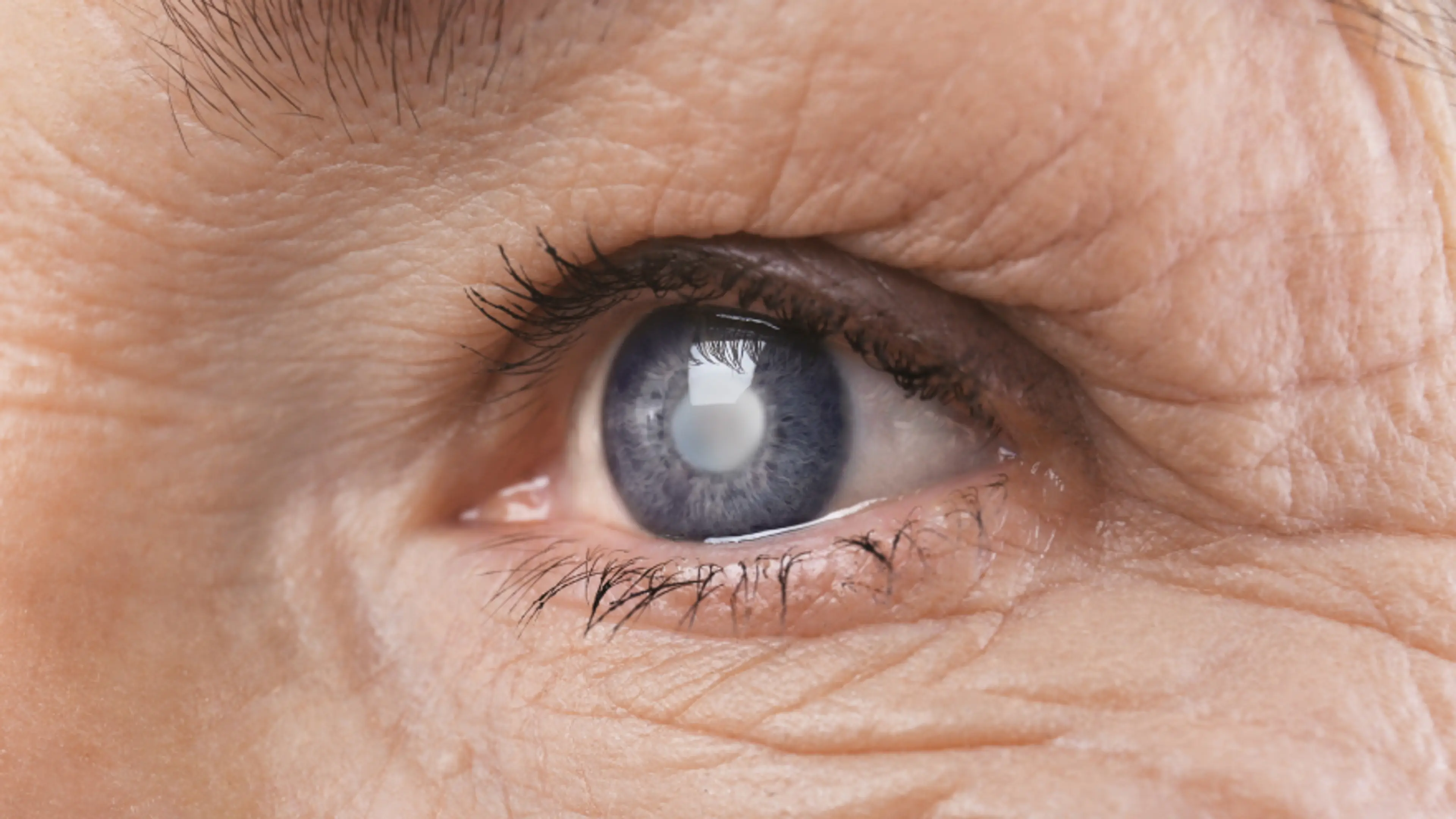
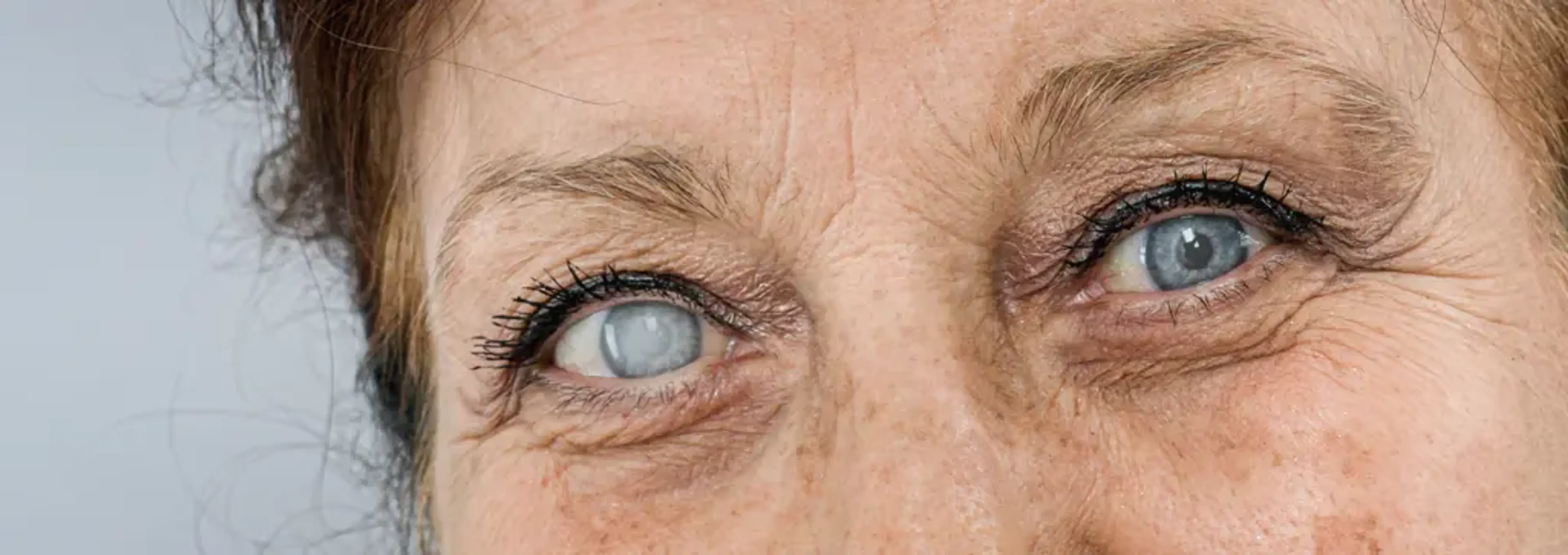
Cataracts and glaucoma are among the most common eye conditions affecting individuals over the age of 50. Cataracts occur when the natural lens of the eye becomes clouded, leading to blurry or dim vision. Glaucoma, however, involves a group of conditions that cause damage to the optic nerve, often due to elevated intraocular pressure (IOP). If not managed effectively, glaucoma can result in permanent vision loss.
Interestingly, these two conditions often occur together, especially as people age. This creates additional challenges when treating patients who have both cataracts and glaucoma, leading many to ask, “Is cataract surgery safe if I have glaucoma?” Fortunately, the answer is yes, but careful management is key. Below, we will explore how cataract surgery works for glaucoma patients, the surgical options available, and the necessary considerations for a safe and successful procedure.
Yes, cataract surgery is typically safe for glaucoma patients. In many cases, cataract removal can be beneficial for those with glaucoma, as it can help improve vision and may even lower eye pressure in certain instances. However, the presence of glaucoma means that special attention must be given to eye pressure before, during, and after surgery.
For some glaucoma patients, cataract surgery may even provide added benefits, such as a slight reduction in intraocular pressure. This can be particularly helpful for those with angle-closure glaucoma or narrow drainage angles. On the other hand, advanced glaucoma cases require more careful planning, as sudden increases in intraocular pressure during or after surgery could potentially damage the optic nerve.
It is critical to work with an ophthalmologist who has experience treating both cataracts and glaucoma, ensuring a personalized treatment plan that minimizes risks and enhances outcomes.
When both glaucoma and cataracts are present, two primary surgical approaches can be considered:
Using advanced technologies, such as laser-assisted systems or real-time surgical navigation, enhances the precision and safety of these procedures.
Cataract surgery offers significant benefits for glaucoma patients, far beyond just improved vision. For many, cataract removal can lead to a decrease in intraocular pressure, especially for those with angle-closure glaucoma or narrow drainage angles. This can make it easier to manage glaucoma over time and may reduce the need for multiple medications or additional surgeries.
With clearer vision, patients also gain more independence in daily activities, such as driving and reading, and may feel more confident in their overall mobility. Moreover, the removal of cataracts allows for better monitoring of glaucoma progression, making it easier for doctors to manage intraocular pressure and assess optic nerve health.
While cataract surgery is generally safe, glaucoma patients must be aware of several unique risks. The most concerning is the potential for elevated intraocular pressure during or after surgery, which could harm the optic nerve if not carefully managed.
Additionally, glaucoma patients may experience a higher risk of complications such as inflammation, slower recovery times, and issues with the eye's drainage system. To minimize these risks, a thorough pre-surgical evaluation is crucial. Some patients may require stabilization of their eye pressure prior to surgery, while others may need adjustments to their glaucoma medications.
It is also important to address potential vulnerabilities in the optic nerve. Even minor fluctuations in eye pressure could lead to permanent damage if not properly controlled. As a result, a detailed discussion of surgical options and risks is essential before proceeding with surgery.
Patients should expect to have more regular eye pressure checks, particularly in the weeks following surgery. In some cases, the use of glaucoma medications may need to be adjusted depending on how the eye responds to surgery. Some patients might even find that they can reduce their medication after cataract surgery, while others may require additional treatments to manage IOP.
Postoperative care may include the use of anti-inflammatory eye drops, antibiotics to prevent infection, and occasionally steroid drops to reduce swelling. The treatment plan will be customized based on the individual’s glaucoma condition and surgical outcomes.
Cataract surgery for glaucoma patients tends to have high success rates, especially when performed by experienced surgeons. Many patients report substantial improvements in vision, even when glaucoma has caused some damage to the optic nerve. For those undergoing combined cataract-glaucoma surgery, studies have shown that intraocular pressure can be significantly reduced, and some patients experience a reduction in their dependence on glaucoma medications.
Advanced tools, such as the MEL90 excimer laser and VisuMax 800, allow surgeons to perform procedures with greater precision, ensuring better outcomes even for patients with more complex conditions.
When managing both cataracts and glaucoma, choosing a clinic with specialized experience is essential. Centers that offer advanced diagnostic tools and surgical options tailored to individual needs can provide the safest, most effective care.
Reputable clinics often employ advanced technologies to monitor and control intraocular pressure during surgery, which is critical for glaucoma patients. Additionally, working with a team of surgeons who are skilled in managing both conditions ensures a more successful and personalized treatment plan.
By choosing SNU Eye Clinic, patients can be confident that they are receiving the best care for their vision, backed by cutting-edge technology, expert surgeons, and a commitment to personalized, high-quality treatment.
For patients dealing with both cataracts and glaucoma, cataract surgery can be a transformative option. While there are certain risks involved, especially for those with advanced glaucoma, modern surgical techniques and careful management make the procedure safer and more effective than ever.
By working with an experienced ophthalmologist, glaucoma patients can benefit from improved vision and better glaucoma management. Whether through a standalone cataract procedure or a combined cataract-glaucoma surgery, the right treatment plan can enhance quality of life and preserve long-term eye health.