Home / Articles
Can You Get LASIK With Large Pupils? Expert Insights & Solutions
Home / Articles
Can You Get LASIK With Large Pupils? Expert Insights & Solutions
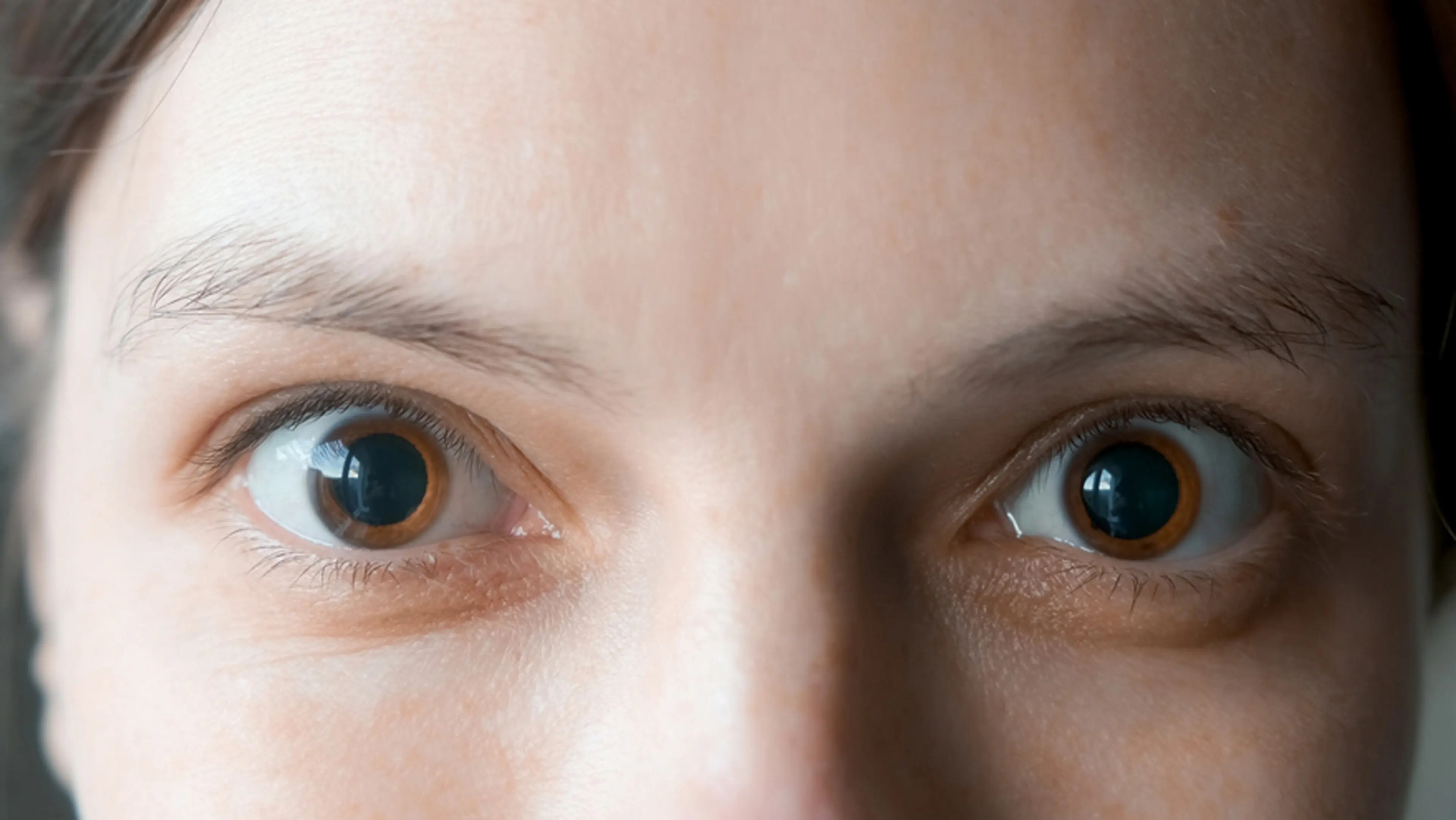
While larger pupils can raise concerns about visual side effects such as halos and glare—especially at night—this doesn’t mean LASIK is off the table. Let’s explore how modern technology addresses these challenges and how personalized care can still offer excellent results for patients with large pupils.
Our pupils naturally adjust in size depending on the lighting around us. In bright conditions, they shrink (photopic size), while in low light, they dilate (scotopic size). This dilation can become especially significant when evaluating LASIK candidacy.
When surgeons assess LASIK candidates, they focus on the scotopic pupil size—the size of the pupil in dim lighting—since visual disturbances like halos are most noticeable in low-light environments. A scotopic pupil size larger than 6.5 mm is generally considered large, and patients with such sizes may need a more customized approach for successful LASIK surgery.
Accurately measuring pupil size is a key part of the LASIK pre-surgical workup. The process involves the use of infrared pupillometers in dimly lit rooms to assess scotopic diameter. This helps determine if the laser treatment zone will fully cover the dilated pupil, which is crucial to preventing visual disturbances. A mismatch between the treatment zone and the pupil size can lead to issues like glare and halos, especially at night.
The root cause of these problems lies in the way light behaves within the untreated peripheral areas of the cornea. During LASIK, a laser reshapes the central part of the cornea to correct refractive errors, but when large pupils dilate, light entering the untreated cornea areas can scatter, leading to visual distortions.
It’s important to note that while the risk of these side effects is higher for individuals with large pupils, not everyone will experience them. Factors such as corneal thickness, smoothness of the laser ablation, and individual healing responses also play a significant role in the outcome.
The good news for those with larger pupils is that modern LASIK technology has evolved to address this challenge. Older LASIK systems used smaller, fixed optical zones that didn’t always account for the pupil’s maximum dilation. Today’s cutting-edge technology offers customizable, larger treatment zones that better accommodate larger pupils and reduce the risk of side effects.
Wavefront-guided LASIK is one of the most notable advancements. This technique creates a 3D map of the patient’s eye, allowing the laser to correct not only basic refractive errors but also higher-order aberrations that cause visual distortions. By customizing the laser treatment to the individual’s eye, wavefront-guided LASIK minimizes issues like glare and halos, even for patients with large pupils.
The added benefit of SMILE is that it preserves more of the corneal biomechanical structure, resulting in fewer night vision complaints for individuals with larger pupils.
For certain patients with large pupils or other unique anatomical features, alternatives to LASIK may offer more suitable solutions.
These cases showcase how personalized treatment plans, combined with advanced technology, can lead to successful outcomes for even the most challenging cases.
If you have large pupils and are considering LASIK, it’s important to know that modern technologies and customized treatment plans have significantly improved the options available. While larger pupils can increase the risk of visual disturbances, they are no longer a disqualifier for LASIK. With careful assessment and the right approach, patients with large pupils can achieve great results with LASIK, SMILE, or other alternative treatments.
At SNU Eye Clinic, Dr. Chung Eui Sang and his team use the latest advancements in refractive surgery to deliver personalized care that addresses each patient's unique needs, ensuring safe and effective outcomes for all patients, regardless of pupil size.