Introduction
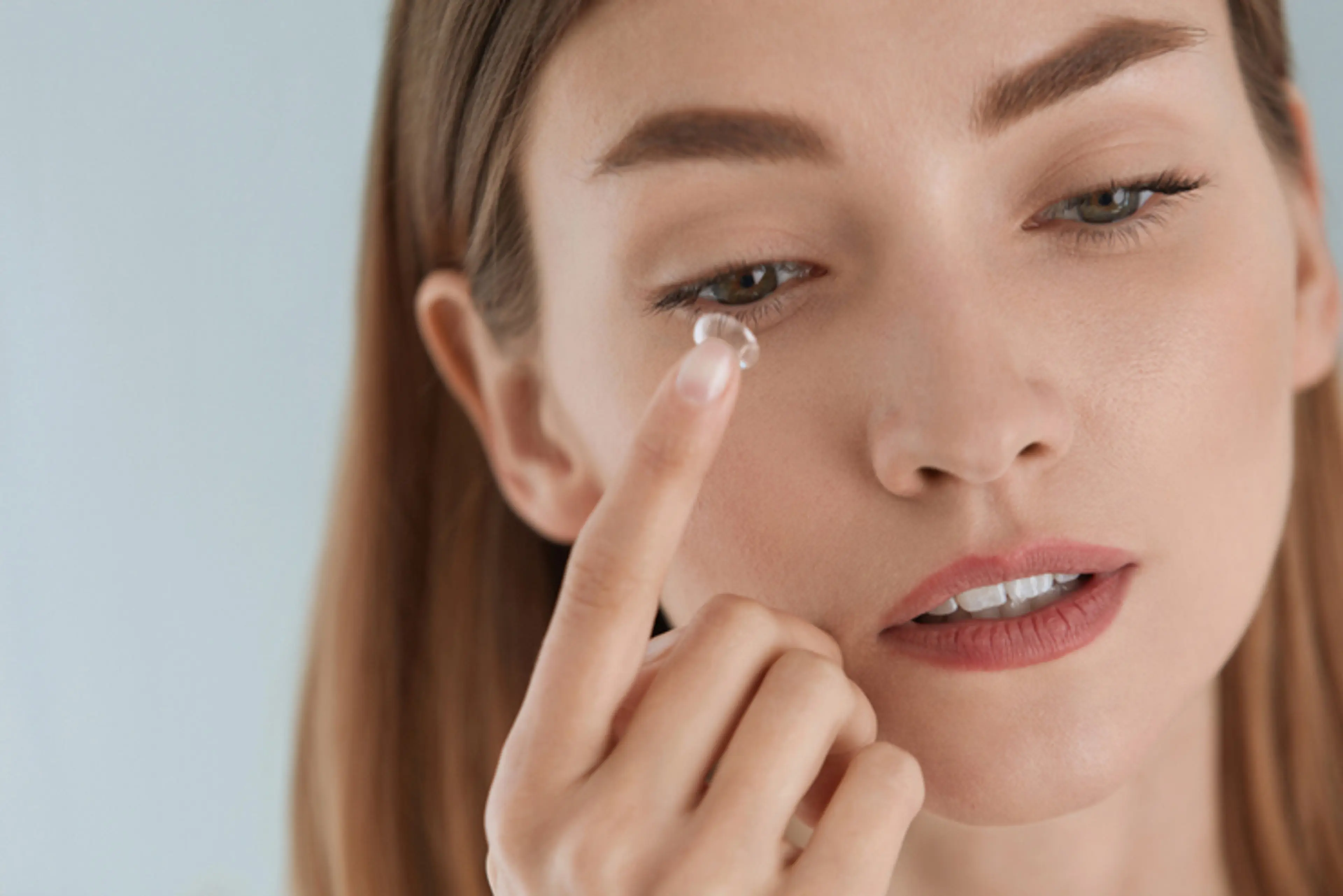
introductionContact lenses are worn by over 150 million people worldwide, providing a convenient and effective way to correct vision without glasses. But with their popularity comes a range of questions and concerns, one of which is: Can wearing contact lenses cause glaucoma?
This is an important question because glaucoma is one of the leading causes of irreversible blindness worldwide. Understanding whether contact lenses play a role in its development is essential for both safety and peace of mind.
The short answer is
no, wearing contact lenses does not directly cause glaucoma. However, contact
lens use can sometimes complicate the monitoring or management of glaucoma, and certain rare situations may increase risks for individuals already predisposed to the disease.
What Is Glaucoma?
what-is-glaucomaGlaucoma is a group of eye conditions that damage the optic nerve, typically due to elevated intraocular pressure (IOP). Over time, this damage can cause vision loss, starting with peripheral (side) vision and potentially leading to blindness if untreated.
Types of glaucoma include:
types-of-glaucoma-include:Primary open-angle glaucoma – the most common form, with gradual IOP increase.
Angle-closure glaucoma – a sudden blockage of fluid drainage, causing a rapid IOP spike (an emergency).
Normal-tension glaucoma – optic nerve damage despite normal IOP.
Risk factors include:
risk-factors-include:Age over 40
Family history of glaucoma
High eye pressure
Thin corneas
Certain ethnicities (e.g., African, Hispanic, Asian descent)
Medical conditions like diabetes or hypertension
How Contact Lenses Work
how-contact-lenses-workContact lenses sit directly on the cornea, floating on a thin tear film. They correct refractive errors (myopia, hyperopia, astigmatism, presbyopia) by adjusting how light enters the eye.
There are two major categories:
Modern lenses are designed to be oxygen-permeable to keep the cornea healthy.
Do Contact Lenses Raise Eye Pressure?
do-contact-lenses-raise-eye-pressure
Normal contact lens wear does not significantly raise intraocular pressure in healthy eyes. Studies have shown that while thick lenses or ill-fitting lenses can temporarily influence corneal shape or tear film dynamics, they do not cause sustained IOP elevation.
However, certain situations require caution:
Tight lens fit – can reduce tear exchange and cause corneal swelling, potentially leading to inaccurate IOP readings.
Prolonged wear – especially overnight wear of non-approved lenses, which may induce hypoxia (oxygen deprivation) and trigger subtle changes in aqueous humor dynamics.
Scleral lenses – which rest on the sclera and vault over the cornea, can transiently alter IOP in susceptible eyes.
Myths vs. Facts
myths-vs.-factsMyth | Reality |
|---|
Contact lenses can “cause” glaucoma. | They do not directly cause glaucoma. Glaucoma develops due to optic nerve damage, usually from elevated IOP, not from lens wear. |
Wearing contacts long-term is unsafe for your eyes. | With proper hygiene and fitting, contact lenses are generally safe for years. Problems arise from poor care or overwear, not the lenses themselves. |
Hard contact lenses are worse for eye pressure than soft lenses. | Lens type alone doesn’t cause glaucoma. Fit, material, and oxygen permeability matter more. |
Indirect Ways Contact Lenses Affect Glaucoma
indirect-ways-contact-lenses-affect-glaucoma
While lenses do not cause glaucoma, they can indirectly impact diagnosis and management:
Measuring IOP
Contact lens wear changes corneal shape temporarily, which can influence tonometry readings.
Certain specialty lenses (orthokeratology) flatten the cornea overnight, possibly masking high IOP in early morning readings.
Masking Early Symptoms
Contact Lens Intolerance in Glaucoma Patients
High-Risk Groups That Should Be Careful
high-risk-groups-that-should-be-carefulSome individuals may need extra precautions:
People with strong family history of glaucoma – more frequent monitoring is necessary.
Patients with ocular hypertension – already at risk for glaucoma; scleral or tight lenses may not be advisable.
Contact lens wearers on glaucoma medications – some preservatives in drops can stick to lenses, causing irritation.
Preventing Problems: Safe Contact Lens Habits
preventing-problems:-safe-contact-lens-habitsIf you wear contact lenses and are concerned about glaucoma, follow these guidelines:
Get Regular Eye Exams – Include glaucoma screening, especially after age 40 or if you have risk factors.
Don’t Sleep in Lenses (unless prescribed) – Reduces oxygen deprivation risk.
Follow Proper Hygiene – Wash hands before handling lenses, and clean them as directed.
Choose the Right Lens Fit – Work with an eye care professional to ensure optimal oxygen flow.
Report Changes Early – Blurry vision, halos, or eye pain warrant immediate attention.
Treatment for People Who Have Both Contact Lens Needs and Glaucoma
treatment-for-people-who-have-both-contact-lens-needs-and-glaucomaIf you have glaucoma but still want to wear contacts:
Use preservative-free glaucoma drops to avoid irritation.
Schedule lens wear around drop instillation (e.g., remove lenses before applying drops).
Consider daily disposables to reduce deposit buildup from medications.
In advanced glaucoma, switching to glasses may be safer due to reduced peripheral
vision and increased injury risk.
The Role of SNU Eye Clinic in Glaucoma and Vision Care
the-role-of-snu-eye-clinic-in-glaucoma-and-vision-careAt
SNU Eye Clinic in Gangnam, Seoul, advanced diagnostic equipment allows for
precise IOP measurement and
early glaucoma detection—even in patients who regularly wear contact lenses. Led by
Dr. Chung Eui Sang, the clinic provides:
Comprehensive glaucoma screenings with optical coherence tomography (OCT).
Customized contact lens fitting to ensure optimal corneal health.
Integrated care for patients needing both refractive correction and glaucoma management.
With over 50,000 successful eye surgeries and a strong reputation in both refractive and medical eye care, SNU Eye Clinic is an ideal choice for anyone balancing the convenience of contact lenses with the importance of long-term eye health.
Conclusion
conclusionWearing contact lenses does not cause glaucoma. However, they can influence how glaucoma is detected and managed. The key is awareness, proper lens hygiene, and regular comprehensive eye exams.
If you are concerned about glaucoma—whether you wear lenses or not—the safest approach is to schedule an annual eye check-up with a qualified ophthalmologist. For those in Seoul or visiting Korea, SNU Eye Clinic offers world-class care combining modern technology, experienced specialists, and a personalized approach to preserve both vision and comfort.