Home / Articles
Can Makeup Cause Pink Eye? Key Tips for Prevention
Home / Articles
Can Makeup Cause Pink Eye? Key Tips for Prevention
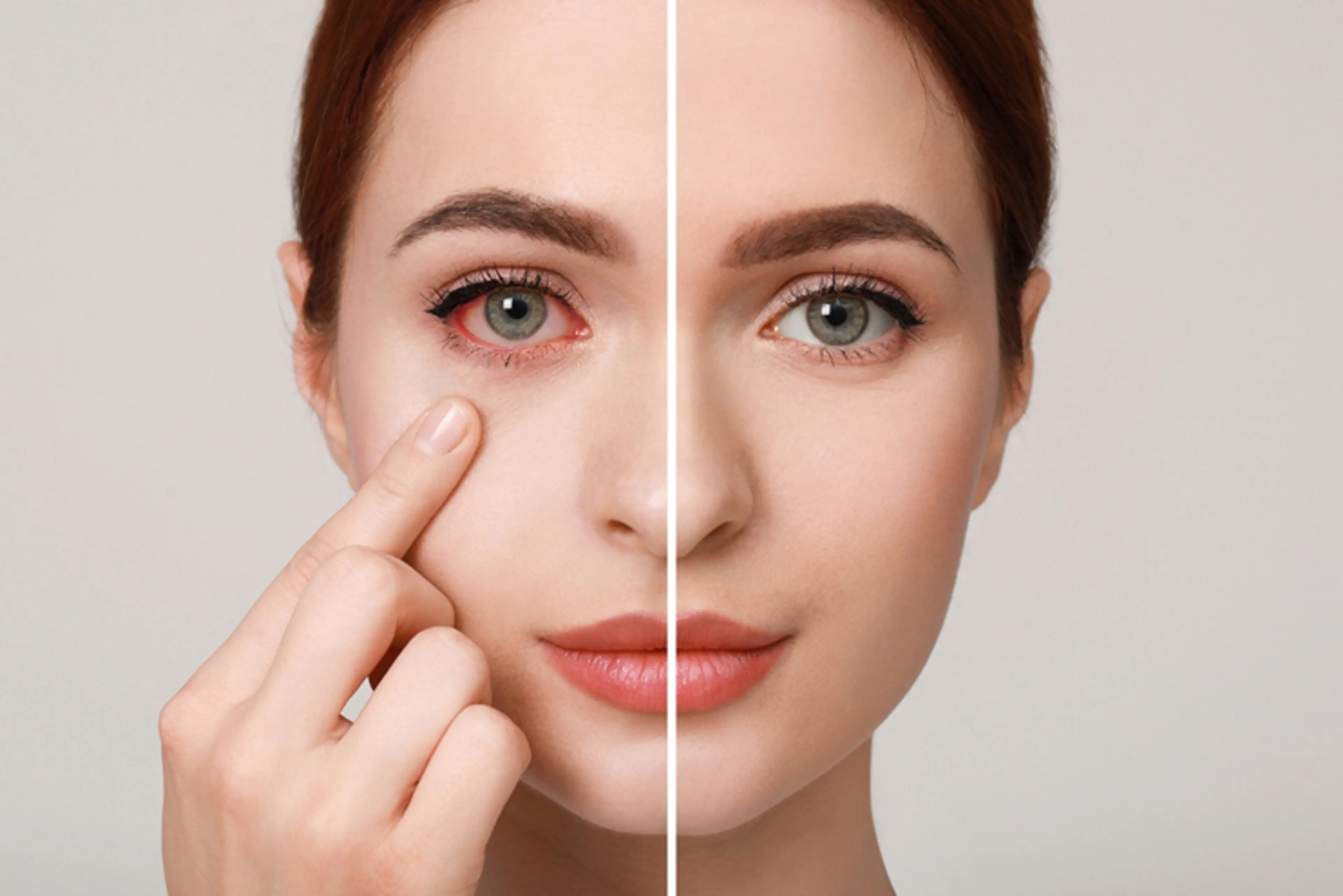
Pink eye, also known as conjunctivitis, is a common and easily spreadable eye infection that causes redness, irritation, and discharge in one or both eyes. While many people associate pink eye with viruses, colds, or allergies, it can also be caused by something many overlook: makeup. Makeup products such as mascara, eyeliner, and eyeshadow can harbor harmful bacteria or viruses, leading to eye infections when used improperly. This article explores the link between makeup and pink eye and provides tips for preventing eye infections caused by cosmetics.
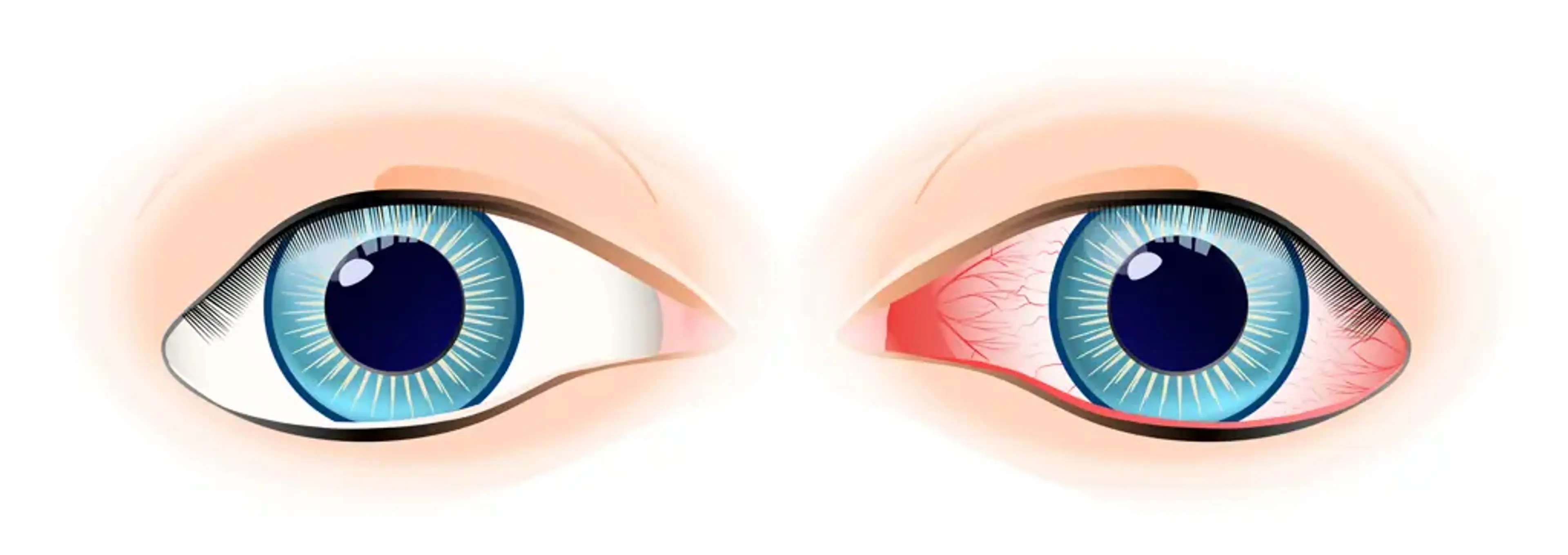
Pink eye (conjunctivitis) refers to the inflammation of the conjunctiva—the clear membrane covering the white part of the eye and the inner surface of the eyelids. It can affect one or both eyes and is characterized by symptoms like redness, irritation, itching, and discharge. There are three main types of conjunctivitis:
Pink eye is a widespread condition, affecting millions globally each year. Its contagious nature makes it easy to spread in environments like schools and workplaces. Although commonly caused by viruses or bacteria, pink eye can also be triggered by contaminated makeup. Fortunately, with proper hygiene and awareness, many cases are preventable.
While makeup enhances beauty, it can also jeopardize eye health if not handled with care. Products like mascara, eyeliner, and eyeshadow are prone to harboring bacteria or viruses, especially when they are old, shared, or improperly stored. These pathogens can transfer to the eyes and lead to infections like pink eye.
Makeup can transfer harmful bacteria to the eyes, particularly when products come into contact with the delicate skin around the eyes. Mascara, a prime offender, accumulates bacteria over time and can easily become a source of infection. Sharing makeup products such as eyeliner or mascara increases the risk of transmitting bacteria or viruses, especially if one person has an eye infection. Makeup tools, including brushes and sponges, can also harbor germs if they are not cleaned regularly.
Additionally, makeup particles can irritate the eye, causing small abrasions or scratches on the cornea, making the eye more vulnerable to infections. Contact lens wearers are particularly susceptible to makeup-related eye infections due to heightened sensitivity.
Symptoms of pink eye caused by makeup closely resemble those of other types of conjunctivitis. However, there are some distinguishing signs that may suggest makeup is the cause:
If you experience these symptoms after using makeup, it’s essential to take action. Mild cases may resolve with home care, like using a warm compress or over-the-counter eye drops. However, if symptoms persist or worsen, or if you experience significant pain, it’s important to see an eye specialist for proper diagnosis and treatment.
Sharing eye makeup products—like mascara, eyeliner, or eyeshadow—is a primary way eye infections, including pink eye, are transmitted. Even seemingly clean makeup can harbor germs, as the eye area is sensitive and moist, making it an ideal breeding ground for bacteria. Sharing makeup tools like brushes and applicators also increases the risk of contamination.
In addition to spreading pink eye, sharing makeup can cause other infections, including viral conjunctivitis and cold sores. To minimize the risk of infection, never share makeup or applicators, and clean makeup tools frequently.
Mascara is one of the most likely makeup products to cause eye infections. Its frequent use near the eye area and the potential for bacteria buildup in the tube make it a significant risk. Old mascara, especially, creates a breeding ground for harmful bacteria. Sharing mascara further increases the risk of contamination.
Eyeliner and eyeshadow can also harbor bacteria, though they are typically less risky than mascara. However, both types of makeup can still introduce germs if not stored properly or applied with dirty tools. Pencil eyeliners can accumulate bacteria on the tips, while liquid eyeliners can develop bacteria if exposed to air.
To prevent bacteria buildup, clean your makeup tools regularly. Wash brushes, sponges, and applicators with warm water and mild soap, or use specialized brush cleaners. Clean applicators like mascara wands and eyeliner brushes before each use, and replace disposable applicators regularly.
Using expired makeup increases the risk of eye infections. Here are some guidelines for replacing makeup:
When in doubt, replace your makeup, especially if it looks or feels unusual.
Before applying makeup, always wash your hands to prevent transferring germs to your eyes. If you wear contact lenses, ensure they are clean before handling them, as contaminated makeup combined with dirty lenses increases the risk of eye infections.
When applying makeup, use soft, controlled motions. Avoid pulling or tugging at the skin around the eyes, as this can cause mechanical irritation, making the eyes more vulnerable to infection.
If you have sensitive eyes or are prone to allergies, opt for hypoallergenic makeup products that are free from fragrances or harsh chemicals. This reduces the risk of irritation or allergic reactions that can mimic pink eye symptoms.
Wearing contact lenses while using makeup increases the chances of developing an eye infection, including pink eye. Makeup particles can get trapped under the lenses, causing irritation, inflammation, and infection. To reduce this risk, always insert contact lenses before applying eye makeup and avoid powdery products that can flake.
Always follow your eye care professional’s recommendations for cleaning and replacing contact lenses. Clean your makeup tools and ensure they are free from bacteria to prevent contamination.
If your pink eye is mild, apply a warm compress to the affected eye to reduce irritation and swelling. Over-the-counter artificial tears or eye drops can help soothe discomfort.
For bacterial conjunctivitis, prescription antibiotic eye drops or ointments are necessary. Viral conjunctivitis typically resolves on its own, but antiviral medication may be prescribed for severe cases. If symptoms worsen or don’t improve, consult an eye specialist for proper treatment.
Opt for makeup that’s suitable for sensitive eyes and avoid harsh chemicals that could irritate the eye area.
SNU Eye Clinic stands out as a trusted provider of comprehensive eye care for several reasons:
Makeup can improve your appearance, but it also carries risks if not used with care. Poor hygiene, sharing makeup, and using expired products can contribute to pink eye and other eye infections. By following safe makeup practices, such as cleaning tools regularly, replacing old products, and avoiding sharing makeup, you can protect your eyes and minimize the risk of infections. If you experience symptoms of pink eye, seek medical attention promptly to ensure proper treatment.