Home / Articles
Can Cataracts Return After Surgery? Understanding Secondary Cataracts
Home / Articles
Can Cataracts Return After Surgery? Understanding Secondary Cataracts
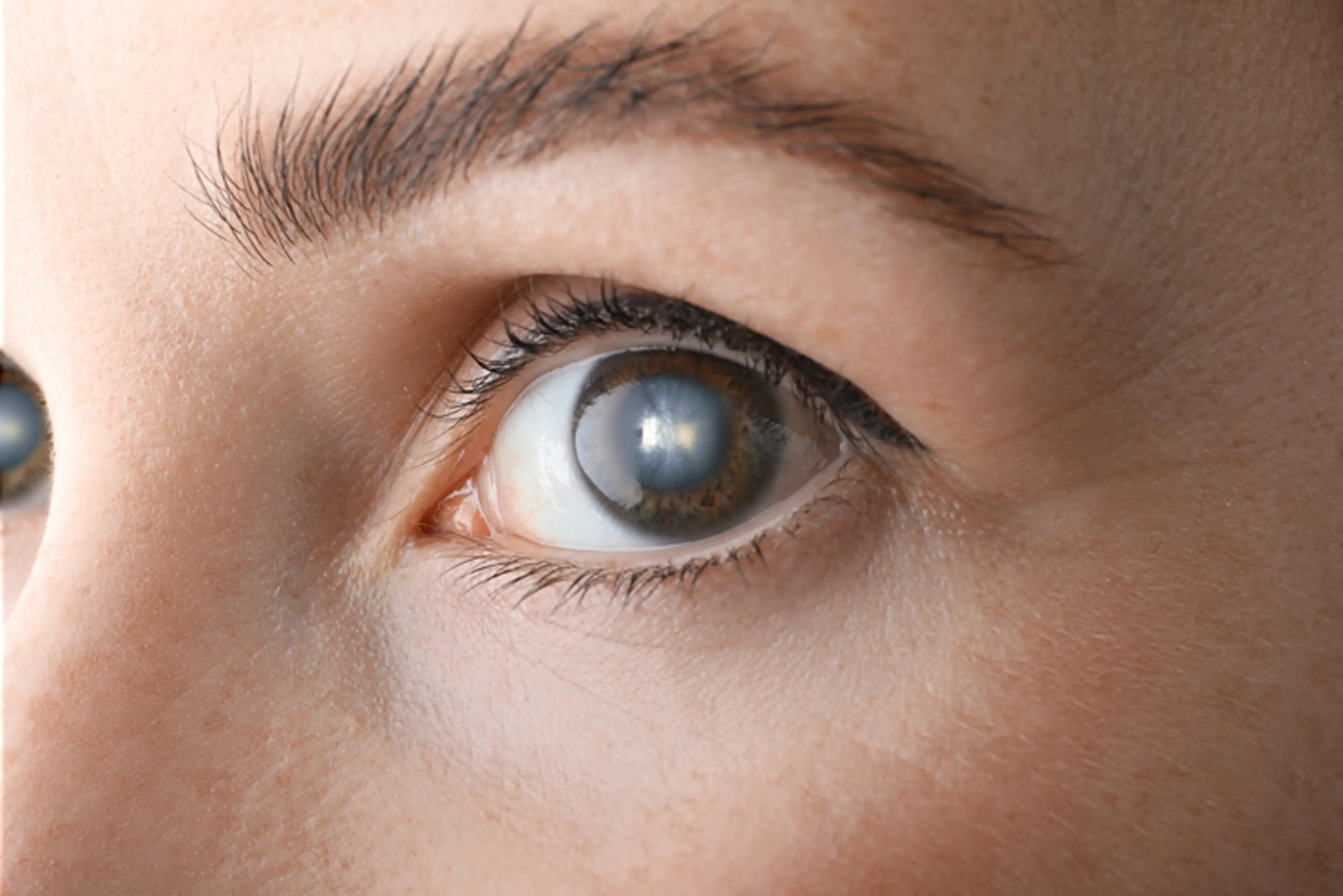
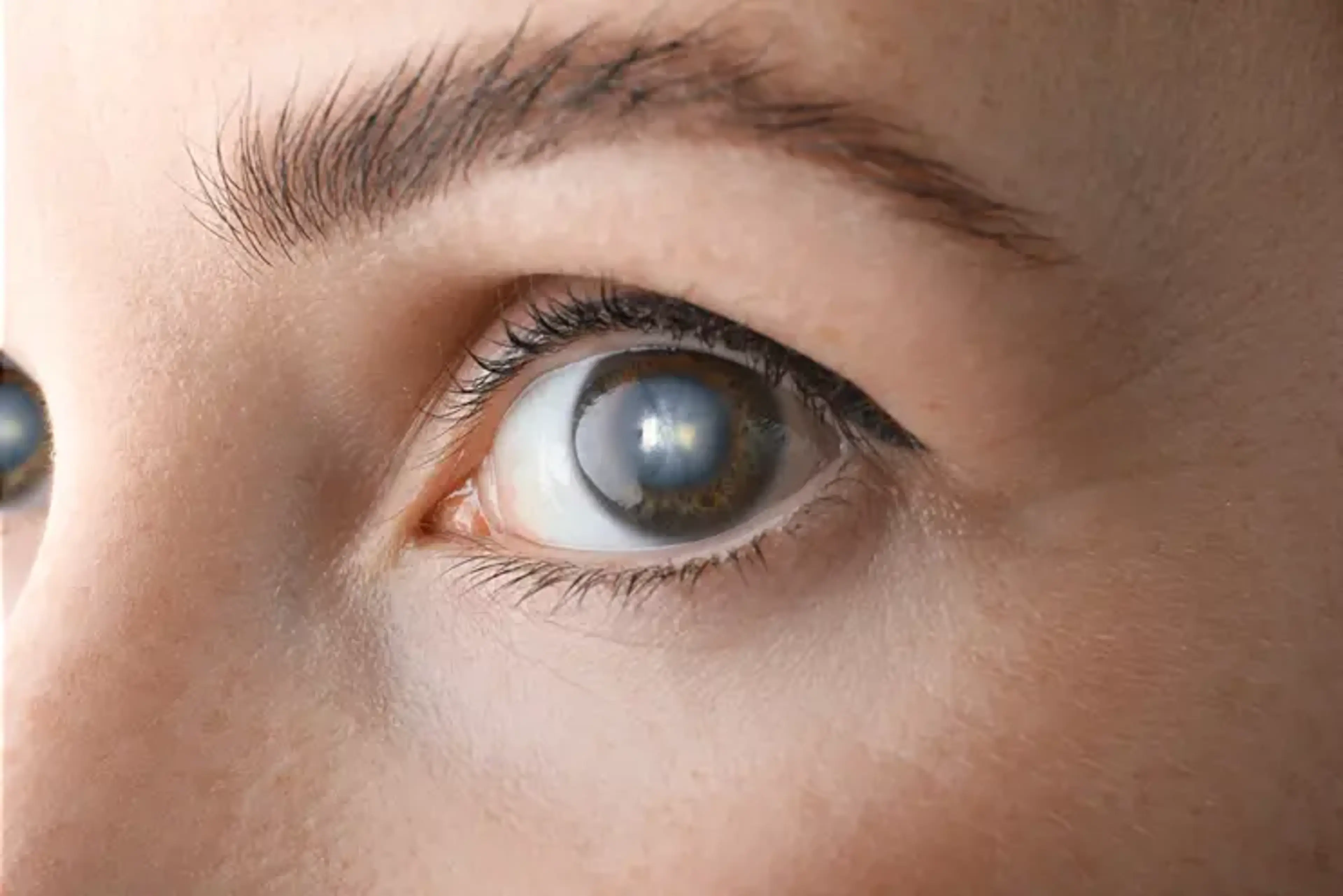
Imagine waking up one morning to a world shrouded in a haze, with reading, driving, and even recognizing faces becoming more challenging each day. This is the reality for many adults as cataracts, a clouding of the eye’s natural lens, begin to impair vision.
After cataract surgery, many patients notice immediate improvements in their vision. But in some cases, months or years down the line, they may start to experience blurry vision again. This is often due to a condition known as secondary cataracts, or posterior capsule opacification (PCO).
While the name might sound concerning, secondary cataracts are actually a common and treatable post-surgery complication. During cataract surgery, the natural lens is replaced with an IOL, but the posterior capsule — a thin membrane that holds the new lens in place — remains. Over time, some residual lens cells can grow on this membrane, causing it to become cloudy and affect vision.
It’s important to understand that this cloudiness isn’t a recurrence of the original cataract, but rather a new condition caused by leftover cells. This condition can lead to blurry vision, glare, and difficulty seeing in bright light, but it is easily treatable with a simple outpatient procedure.
One of the most frequently asked questions after cataract surgery is whether the original cataract can return. The answer is no. Once the cloudy natural lens is removed during surgery, it cannot regrow. The IOL implanted in its place will not develop cataracts.
However, secondary cataracts can develop due to the growth of residual cells on the posterior capsule. This phenomenon, while similar in some respects to the original cataract, is entirely different. It is a manageable condition and does not indicate that the cataract surgery was unsuccessful.
Patients who develop secondary cataracts often notice a gradual decline in their vision, with symptoms similar to those they experienced before surgery. Fortunately, the condition is treatable and does not require invasive surgery to correct.
Several factors contribute to the development of secondary cataracts, although it’s important to note that this is a common occurrence and does not necessarily indicate any failure of the cataract surgery itself. Key causes and risk factors include:
Secondary cataracts don’t usually develop immediately after surgery. Instead, they appear gradually, often months or even years after the initial cataract surgery. Common symptoms include:
Blurred or cloudy vision
Increased glare or halos around lights, especially at night
Difficulty reading or seeing fine details
Reduced contrast sensitivity, which makes it harder to distinguish objects clearly
The good news is that secondary cataracts are easily treatable, typically with a procedure called YAG laser capsulotomy. This outpatient procedure involves using a laser to create a small opening in the cloudy posterior capsule, restoring clear vision.
Here’s what you can expect with YAG laser capsulotomy:
This treatment has been used successfully for decades and is considered the gold standard for managing secondary cataracts.
Additionally, surgical techniques have become more refined, with smaller incisions and more precise lens removal methods helping reduce the chances of leftover cells that could cause clouding. Clinics like SNU Eye Clinic, for example, utilize cutting-edge technology like the VisuMax 800 femtosecond laser to enhance surgical precision and minimize complications.
Research continues into other methods to prevent secondary cataracts, including the development of pharmaceutical treatments aimed at inhibiting lens cell growth on the posterior capsule.
Choosing an experienced ophthalmologist who specializes in cataract surgery is essential to achieving the best possible outcome. When evaluating potential clinics or doctors, consider the following:
SNU Eye Clinic uses cutting-edge technology to provide precise and effective cataract surgery. With advanced tools like the VisuMax 800 femtosecond laser and ZEISS MEL90 excimer laser, they offer minimally invasive procedures with highly accurate results. These technologies reduce complications and shorten recovery times, ensuring better long-term vision outcomes for patients.
At SNU Eye Clinic, every patient’s eye health and needs are unique. The clinic takes a personalized approach, tailoring treatment plans to match individual eye conditions, ensuring the best possible outcome. Whether you need traditional cataract surgery or are a candidate for advanced options like SMILE LASIK, SNU Eye Clinic provides customized solutions for each patient.
Recovery after cataract surgery is an essential part of achieving lasting, clear vision. SNU Eye Clinic offers thorough follow-up care to monitor your recovery, address any concerns, and ensure that your vision remains clear. Their dedicated team is available for regular checkups, so patients can feel confident and supported throughout the healing process.
With over 50,000 successful eye surgeries performed, SNU Eye Clinic boasts a high success rate and patient satisfaction. Their commitment to safety, precision, and care helps patients regain their vision with minimal discomfort or downtime.
Cataract surgery remains one of the safest and most effective procedures for restoring vision. While the original cataract cannot return after surgery, secondary cataracts can develop, but they are easily treatable. By staying proactive with follow-up care and seeking timely treatment for any vision changes, patients can enjoy the full benefits of their cataract surgery.
If you have concerns about secondary cataracts or the long-term outcomes of your cataract surgery, it's crucial to consult an experienced ophthalmologist. With the right care and technology, clear vision can remain a lasting part of your life.