Why Eye Drops Matter After Laser Eye Surgery?
why-eye-drops-matter-after-laser-eye-surgeryAfter a procedure like LASIK,
SMILE, or PRK, your cornea is healing. The surface (epithelium) may be temporarily disrupted, corneal nerves are affected, and tear film stability is reduced. Because of that:
Infection risk is higher until the surface barrier recovers.
Inflammation and swelling need to be controlled so as not to interfere with clarity.
Dryness / discomfort is almost inevitable, especially early on.
Proper drop regimen helps optimize healing, clarity, and patient comfort.
Surgeons typically use a combination of antibiotic, anti-inflammatory (usually steroid), and lubricating (artificial tears) drops in the post-op period.
What Types of Drops Are Common / “Best” After Surgery
what-types-of-drops-are-common-"best"-after-surgeryHere’s a breakdown of the common categories, their role, and considerations.
Type | Purpose / Benefit | Key Considerations / Preferences | |
|---|
Antibiotic drops | To prevent bacterial infection during the vulnerable healing period | Usually for ~5–10 days post-op. Often broad-spectrum. | |
Steroid / anti-inflammatory drops | To reduce corneal inflammation, control edema, and limit scarring or haze | Usually tapered over days to a few weeks. Must not be stopped abruptly. | |
Preservative-free artificial tears / lubricants | To relieve dryness, maintain a healthy tear film, soothe irritation | Preservative-free is preferred (especially if used frequently) to avoid irritan. | |
Other / adjunct drops | Sometimes nonsteroidal anti-inflammatory drugs (NSAIDs), ocular surface protectants | Depends on surgeon preference, type of procedure, preexisting dry eye status | |
Why “Preservative-Free” Matters
why-"preservative-free"-mattersHealing tissues are more sensitive. Some preservatives (e.g. benzalkonium chloride, BAK) can be toxic to corneal cells or cause irritation if used frequently. That’s why many surgeons prefer preservative-free artificial tears, especially in the early period when patients may use lubricants many times per day.
However, preservative-containing medicated drops (antibiotics, steroids) are acceptable, provided they are used within the recommended duration and not overused.
Example Drop Regimens (Typical, but Adjusted per Surgeon)
example-drop-regimens-(typical-but-adjusted-per-surgeon)Below is a representative regimen often used for LASIK / similar laser refractive surgeries. Your surgeon may deviate depending on your specific eye and healing response.
Phase | Antibiotic | Steroid / Anti-inflammatory | Artificial Tears / Lubricant |
|---|
Day of surgery (after initial rest) | 1 drop, 4× daily | e.g. 1 drop every 2 hours while awake (or similar) | Hourly or as needed |
Postoperative week 1 | Continue antibiotic 4× daily | Taper steroid to 3–4× daily | 6–8× daily (or more) |
Weeks 2–4 | Usually discontinue antibiotic | Continue steroids, taper further | 4–6× daily (or more if needed) |
Months 1–3+ | — | Stop steroids (if healing is smooth) | Continue artificial tears as long as dryness persists; many patients reduce over time |
One published LASIK post-op guideline (from U.S. military TRICARE) uses, for example, moxifloxacin antibiotic, prednisolone acetate 1% steroid, and Refresh Plus (0.5% carboxymethylcellulose) preservative-free lubricant, with hourly drops initially, then tapering.
Some clinics may use combination drops (antibiotic + steroid in one bottle) to reduce drop burden, though not all prefer this.
Some “Best” or Commonly Recommended Brands / Formulations
some-"best"-or-commonly-recommended-brands-formulationsWhich specific brands are “best” can depend on region, availability, cost, and what your surgeon trusts. Below are some drops that are often mentioned in the literature or eye care discussions (these are examples, not a guarantee for your case).
Use Case | Example Product / Brand | Why It’s Favored / Notes |
|---|
Lubricant / artificial tears | Systane® Ultra / Systane Complete (preservative-free versions) | Widely recommended for post-LASIK lubrication. |
Lubricant / artificial tears | Refresh® Tears / Refresh Optive | Common over-the-counter lubricants used post-surger |
Lubricant gel | Genteal eye gel / Genteal Tears | Thicker, more viscous—sometimes used at night. |
Steroid / anti-inflammatory | Pred Forte (prednisolone acetate) | A commonly used corticosteroid in many post-op protocols. |
Antibiotic | Moxifloxacin (or other broad-spectrum), e.g. Vigamox / Moxeza (in U.S.) | Broad-spectrum fluoroquinolones are commonly used. |
Again: your surgeon may choose different brands or formulations, depending on local norms, licensing, and your ocular condition.
Tips for Proper Use & Maximizing Safety
tips-for-proper-use-and-maximizing-safety
Even the “best drops” won’t help if they’re used incorrectly. Here are key tips:
Wash hands thoroughly before handling drops to avoid contamination.
Avoid touching the dropper tip to your eye, eyelid, or lashes.
Wait a few minutes (e.g. 3–5 minutes) between using different types of drops — this minimizes one wash-out or dilution of the other.
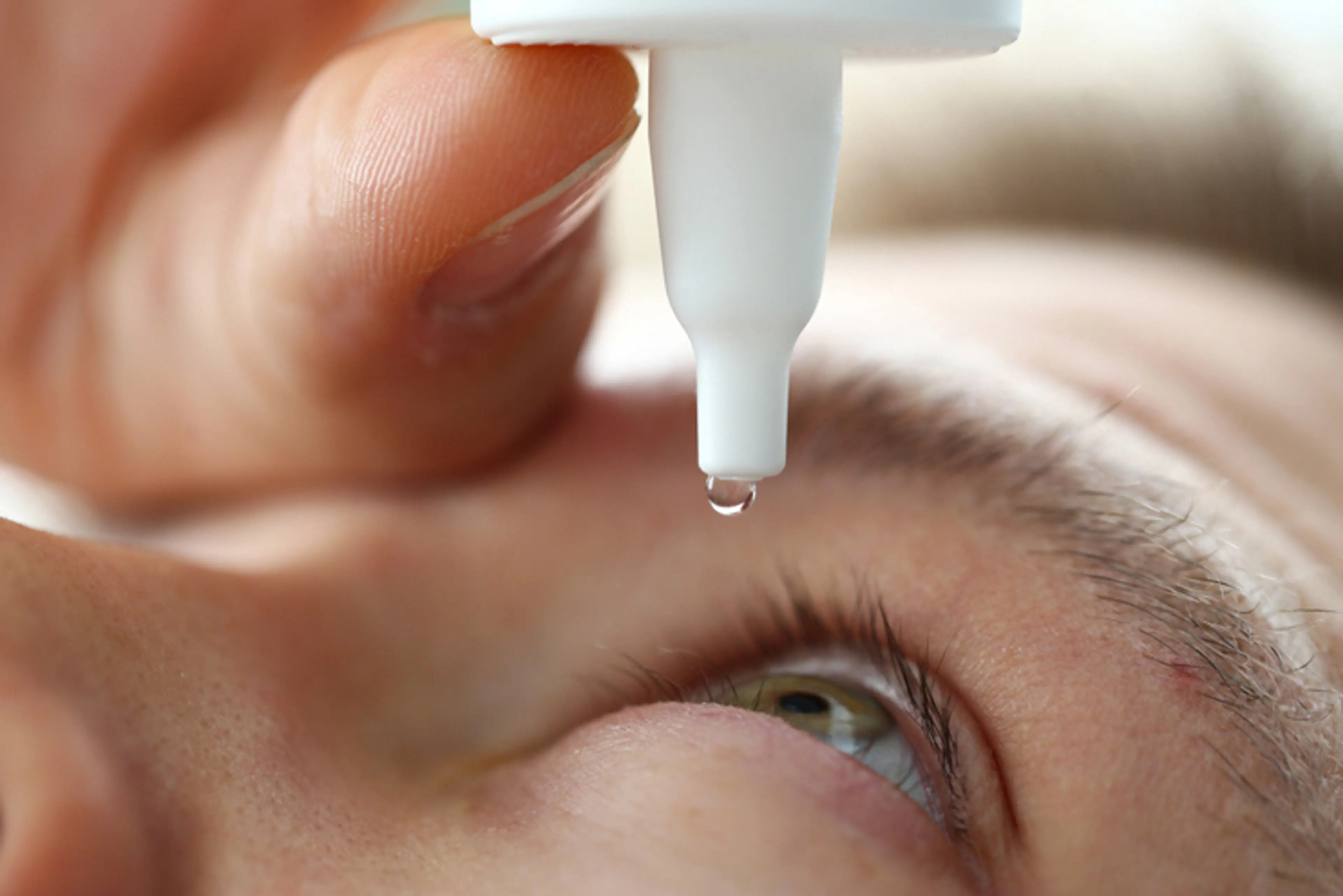
Tilt head back, pull down lower lid, instill one drop, then close eyes gently (don’t squeeze tightly).
Be consistent with timing — set reminders or alarms, especially during the first few days.
Discard opened drop bottles after the recommended period (often 28 days or as per label), especially for preservative-free ones.
Protect your eye from exposure — wear sunglasses outdoors, avoid dusty environments, don’t rub your eyes, avoid swimming or splash-prone situations early on.
Never stop steroid drops abruptly — they must be tapered under guidance.
Report any unusual symptoms immediately — increasing pain, redness, light sensitivity, worsening
vision, etc. can be signs of complications.
Special Considerations & Challenges
special-considerations-and-challenges
Preexisting dry eye disease: If you already had dry eye before surgery, your surgeon may plan a more aggressive lubrication regimen or adjunct therapies (e.g. punctal plugs).
Laser type differences: PRK/LASEK often has a slower epithelial healing time, so lubrication may be more intense or prolonged than for LASIK/SMILE.
Flap-related issues / complications: For LASIK, flap disturbances or interface inflammation (like diffuse lamellar keratitis, DLK) require careful monitoring. Steroid regimen may be adjusted in such cases.
Combining medications: Some surgeons favor combo antibiotic-steroid drops to reduce the number of bottles; others prefer separate bottles to allow individual dose control.
Allergies / sensitivities: If you have sensitivity to preservatives or certain medications, your surgeon might select gentler formulations.
When to Stop Using Drops / Long-Term Use
when-to-stop-using-drops-long-term-useAntibiotic drops are usually stopped after the first week (or as your surgeon indicates).
Steroid drops are tapered over days to a few weeks, depending on healing and inflammation.
Lubricating drops often last months—many patients continue them for 2–3 months (or more) as needed. Some may reduce frequency gradually.
If dry eye symptoms persist long-term, your surgeon may consider adjunctive therapies (restasis, Xiidra, punctal plugs, etc.).
Summary: What “Best” Really Means in Practice
summary:-what-"best"-really-means-in-practiceThe best drops are those your eye surgeon prescribes for you — tailored to your eye, procedure, healing response, and any special risk factors (e.g. dry eye).
Key principles: antibiotic + anti-inflammatory + preservative-free lubrication, proper technique, consistency, and safe use practices.
Be alert for warning signs and attend all follow-up visits so adjustments can be made.