Home / Articles
Best Cataract Lens Implants: Which One Is Right for You?
Home / Articles
Best Cataract Lens Implants: Which One Is Right for You?
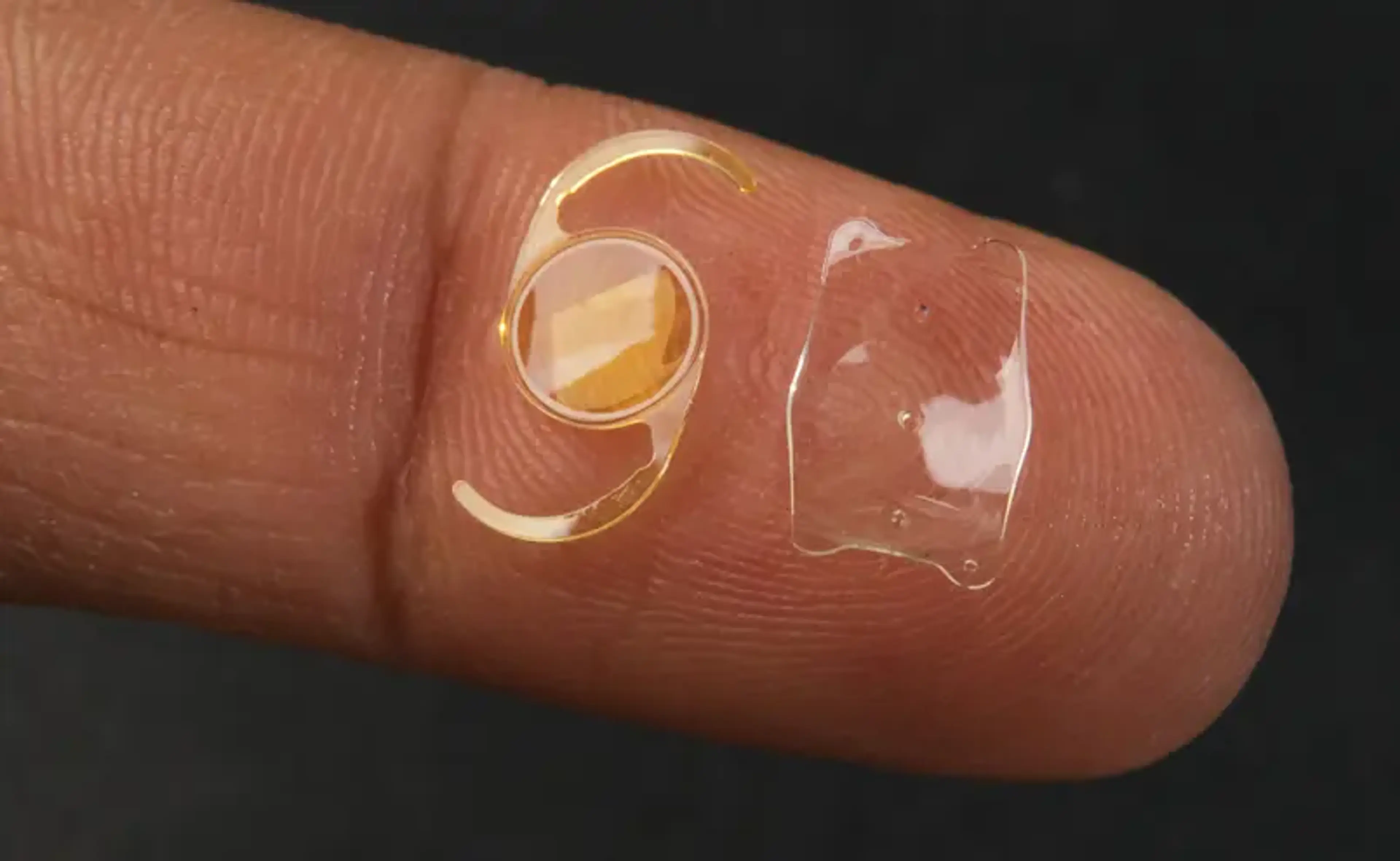
Cataracts can blur vision and make daily activities like reading, driving, and even recognizing faces challenging. However, cataract surgery offers a straightforward solution, replacing the cloudy natural lens with a clear, artificial intraocular lens (IOL). But selecting the right IOL can feel overwhelming, as this choice plays a significant role in the quality of vision post-surgery.
Fortunately, there are various IOL options available today, from standard monofocal lenses to advanced multifocal, toric, and extended depth of focus (EDOF) lenses. Your decision will depend on several factors, such as your visual goals, lifestyle, and budget. Some lenses focus on a single distance, while others offer broader visual range, reducing your reliance on glasses. If you have astigmatism, you may need a lens designed specifically to correct it.
At SNU Eye Clinic, located in Seoul, South Korea, our specialists help guide you in choosing the ideal lens for your needs. With cutting-edge technology and personalized care, we aim to ensure that your cataract surgery results in clear, vibrant vision tailored to your lifestyle.
In this article, we will dive into the types of lens implants, their benefits, and the key considerations for selecting the right one.
Cataract surgery is one of the most commonly performed and safest procedures worldwide. It involves the removal of a cloudy lens and the implantation of an artificial lens (IOL). While the surgery itself is quick and relatively painless, choosing the right lens is crucial for achieving optimal vision. Different IOLs offer different advantages depending on your needs.
At SNU Eye Clinic, we utilize advanced diagnostic tools to assess your eye health, lifestyle, and personal preferences to recommend the best IOL for your unique situation.
Monofocal lenses are the most commonly chosen type of IOL. These lenses provide clear vision at one set distance—near, intermediate, or far. Most patients opt for distance vision and will typically need reading glasses for close-up tasks.
Patients who are comfortable wearing glasses for close-up tasks.
Those who prioritize a budget-friendly solution with proven reliability.
Multifocal lenses are ideal for individuals who wish to reduce their dependence on glasses. These lenses have different zones to provide sharp vision at near, intermediate, and far distances. They are particularly suitable for patients with active lifestyles who want the convenience of seeing clearly at various distances without the need for eyewear.
Multifocal lenses are an excellent choice for those who value visual freedom and are comfortable with minor adaptation.
Astigmatism, a refractive error caused by an irregularly shaped cornea, can distort vision. Standard IOLs may not address astigmatism effectively, but toric lenses are specifically designed to correct this condition. By compensating for the irregular shape of the cornea, toric lenses provide sharper, clearer vision.
Toric lenses are best for patients with astigmatism, providing enhanced vision and reducing the need for additional eyewear.
EDOF lenses provide a seamless transition between near, intermediate, and distance vision. Unlike multifocal lenses, which have distinct focal points, EDOF lenses create a continuous range of focus, making them ideal for patients who want smooth vision across various distances.
Those who need clarity at intermediate distances and want to reduce their reliance on glasses.
Patients who experience sensitivity to light or halos and want a smoother visual experience.
Accommodating lenses work similarly to the eye’s natural lens, shifting focus based on the ciliary muscles’ movement. This dynamic change in focus mimics the flexibility of youthful vision and reduces dependence on glasses.
Accommodating lenses are best for those with strong ciliary muscles who desire more natural vision flexibility.
Choosing the right lens for cataract surgery requires considering several factors:
At SNU Eye Clinic, we help you make an informed decision based on your eye health and lifestyle needs.
The cost of cataract surgery can vary depending on the type of IOL selected. While monofocal IOLs are often covered by insurance, premium lenses such as multifocal, toric, and EDOF lenses typically require additional out-of-pocket expenses.
At SNU Eye Clinic, we provide transparent cost estimates and offer financing options to ensure that the lens you choose fits your budget.
Cataract surgery recovery is typically swift, with most patients experiencing improved vision within 24 to 48 hours. However, full recovery can take a few weeks, especially for patients with multifocal or EDOF lenses, as the brain adjusts to the new vision.
Follow your surgeon’s instructions, attend follow-up appointments, and keep your eyes safe during recovery to ensure the best results.
SNU Eye Clinic is a leading center for cataract surgery in Seoul, South Korea. With decades of experience, expert surgeons, and state-of-the-art equipment, we offer world-class care and personalized treatment plans to help you achieve optimal vision.
The right IOL can significantly improve your vision and quality of life. With a range of lens options available, it's important to choose one that aligns with your lifestyle and vision goals. At SNU Eye Clinic, we provide personalized consultations to ensure you make the best decision for your eyes. Contact us today to learn more about your options and begin your journey to clearer vision.