Home / Articles
A Vision-Friendly Diet: Key Foods to Protect Your Eyes for Life
Home / Articles
A Vision-Friendly Diet: Key Foods to Protect Your Eyes for Life
Your eyes are not only crucial for your vision but also for your overall well-being. Maintaining healthy eyes is more than just about seeing clearly; it's about preventing diseases and conditions that could lead to vision loss over time. A diet rich in essential nutrients plays a fundamental role in promoting eye health and preventing common conditions such as macular degeneration and dry eyes.
At SNU Eye Clinic, we emphasize the importance of preventative care, including proper nutrition. While advanced treatments like LASIK and ICL surgery are available, adopting a vision-friendly diet can make a significant difference in protecting your eyesight for years to come. In this article, we’ll explore the key foods that can help protect and enhance your vision.
Understanding which nutrients are crucial for your eye health is the first step toward protecting your vision. Here's a breakdown of the most vital vitamins and minerals that keep your eyes in top shape:
By ensuring your diet includes these essential nutrients, you’ll be promoting healthy eyes, especially as you age.
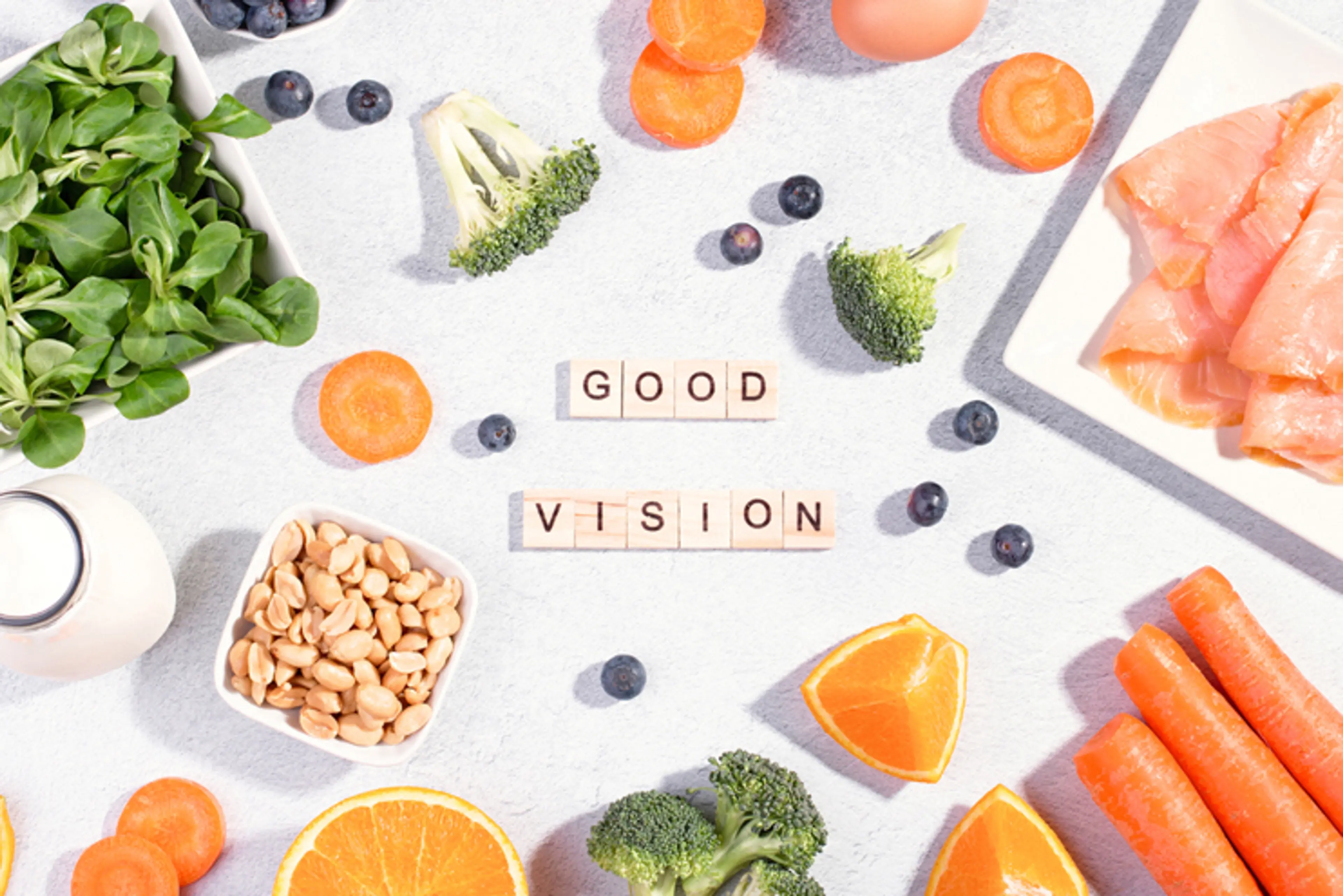
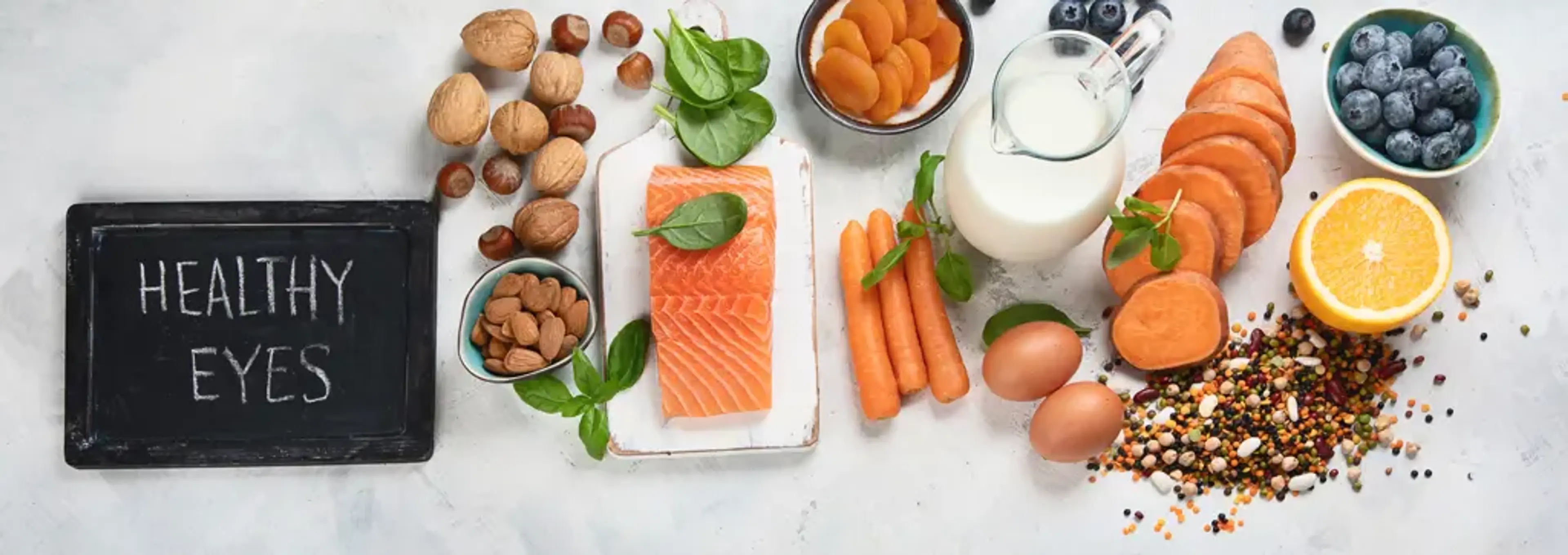
Eating the right foods is one of the best ways to protect your vision. Below are some of the most nutritious foods for your eyes:
Omega-3 fatty acids, especially DHA, are critical for the health of the retina, the part of your eye that processes light and sends signals to the brain. Omega-3s have been shown to reduce the risk of age-related macular degeneration and help prevent dry eyes. If you’re not fond of fish, plant-based sources like chia seeds, flaxseeds, and walnuts are great alternatives to include in your diet.
Lutein and zeaxanthin are antioxidants found in the retina that play a key role in protecting against the harmful effects of blue light. These nutrients filter out blue light from digital screens and sunlight, reducing the risk of macular degeneration. The best food sources of these nutrients include kale, spinach, and egg yolks.
Antioxidants are crucial for fighting oxidative damage caused by free radicals. Over time, this damage can lead to eye diseases like cataracts and macular degeneration. The best sources of antioxidants for eye health include:
Just as certain foods can improve your vision, others can have a negative impact. To maintain eye health, avoid the following:
Both caffeine and alcohol can contribute to dehydration, which may lead to dry eyes. While moderate amounts of caffeine are generally fine, excessive consumption can exacerbate dry eye symptoms. Similarly, alcohol has a diuretic effect, which can lead to dehydration and increase the risk of eye conditions like cataracts and macular degeneration.
Proper hydration is crucial for maintaining healthy tear production and preventing dry eyes. Aim to drink at least eight glasses of water daily to keep your eyes hydrated. Avoid sugary drinks and opt for water, herbal teas, or fresh fruit juices for added benefits.
Incorporating eye-healthy foods into your daily meals can be easy and delicious. Here are some simple meal ideas:
SNU Eye Clinic stands out as a premier destination for eye care, offering comprehensive services with a focus on both advanced treatments and preventive care. Here are some reasons why patients choose SNU Eye Clinic for their eye health needs:
With a team of highly skilled and experienced ophthalmologists, SNU Eye Clinic is known for providing the latest in eye care treatments, including LASIK, ICL (Implantable Contact Lens), and other advanced vision correction procedures. The clinic is recognized for its specialization in personalized care and patient satisfaction.
SNU Eye Clinic uses cutting-edge technology for diagnostics, treatments, and surgeries. From advanced imaging systems to the latest laser technologies, the clinic ensures the most precise and effective treatments for all patients.
Whether you need routine eye exams, advanced vision correction, or specialized treatments for eye conditions like glaucoma, cataracts, or macular degeneration, SNU Eye Clinic offers a full range of services. Their holistic approach ensures that every patient receives tailored care for their unique needs.
The clinic prides itself on providing individualized care, taking the time to understand each patient's specific concerns and treatment goals. SNU Eye Clinic is committed to making patients feel comfortable and informed at every step of their treatment journey.
In addition to offering advanced surgical treatments, SNU Eye Clinic places a strong emphasis on preventative care. Through nutrition advice, lifestyle recommendations, and regular check-ups, the clinic helps patients maintain long-term eye health.
A diet rich in vitamins, minerals, and antioxidants is essential for maintaining healthy eyes and sharp vision. In addition to a nutrient-dense diet, regular eye check-ups, protection from UV rays, and lifestyle modifications like reducing alcohol and caffeine intake can significantly contribute to long-term eye health. At SNU Eye Clinic, we offer a range of treatments and personalized care to help you preserve your vision. Schedule a consultation with us today to learn how we can help you protect your eyesight.